Introduction
When was the last time you really thought about your health? Not just when something hurts or when you’re sick, but actually considered the daily choices that shape your wellbeing? If you’re like most men, the honest answer is probably “not often enough.”
We live in a culture that often discourages men from prioritizing their health, dismissing concerns as weakness or assuming that youth equals invincibility. But here’s the truth: taking control of your health isn’t just about adding years to your life—it’s about adding life to your years. This comprehensive guide will walk you through smart strategies for men’s health that are practical, sustainable, and designed for real life.
Understanding Why Men’s Health Matters
Men face unique health challenges that are often overlooked or ignored until they become serious problems. Statistics show that men are more likely than women to die from nine out of the ten leading causes of death, and they’re also less likely to visit a doctor for regular checkups. This isn’t because men are biologically weaker—it’s because of preventable lifestyle factors and a reluctance to seek help. Heart disease, cancer, diabetes, and mental health issues don’t develop overnight.
They’re the result of years of accumulated choices, stress, and neglect. The good news is that by implementing smart strategies for men’s health, you can dramatically reduce your risk and improve your quality of life. Understanding that your health is an investment, not an expense, is the first step toward making meaningful change.
Building a Foundation with Regular Health Screenings

One of the smartest strategies for men’s health is something most men avoid: regular checkups. Preventive care is the cornerstone of long-term health, yet millions of men skip annual physicals, blood work, and screenings. A comprehensive physical exam can detect early warning signs of serious conditions like high blood pressure, high cholesterol, diabetes, and even certain cancers. Blood tests reveal critical information about your liver function, kidney health, testosterone levels, and blood sugar.
If you’re over 40, you should also discuss prostate health with your doctor, as early detection of prostate issues significantly improves outcomes. Similarly, colonoscopy screenings starting at age 45 can catch colorectal cancer in its earliest, most treatable stages. Skin checks are equally important, especially if you spend time outdoors or have a history of sunburns. These screenings aren’t just boxes to check—they’re your early warning system. Think of them as the diagnostic check your car needs to keep running smoothly. Ignoring them doesn’t make problems go away; it just means you’ll discover them when they’re harder to fix.
Nutrition That Actually Works for Men
When it comes to smart strategies for men’s health, nutrition is non-negotiable. But let’s be real—most men don’t want to count calories or follow complicated meal plans. The good news is that healthy eating doesn’t have to be complicated. Focus on whole foods: lean proteins like chicken, fish, and beans; plenty of vegetables and fruits; whole grains like brown rice, quinoa, and oats; and healthy fats from sources like avocados, nuts, and olive oil.
Protein is especially important for maintaining muscle mass as you age, so aim for a palm-sized serving with every meal. Limit processed foods, which are loaded with sodium, sugar, and unhealthy fats that contribute to weight gain, high blood pressure, and inflammation. Pay attention to portion sizes—eating healthy foods in massive quantities still leads to weight gain.
One practical approach is the “plate method”: fill half your plate with vegetables, a quarter with lean protein, and a quarter with whole grains. Stay hydrated by drinking water throughout the day, not just when you’re thirsty. If you drink alcohol, moderation is key—no more than two drinks per day. These aren’t drastic changes, but when implemented consistently, they transform your energy levels, weight, and long-term health outcomes.
The Power of Regular Physical Activity
Exercise is one of the most powerful smart strategies for men’s health, yet less than 25% of American men meet the recommended physical activity guidelines. You don’t need to become a gym rat or run marathons to reap the benefits. The goal is consistent movement that challenges your body in different ways. Aim for at least 150 minutes of moderate aerobic activity or 75 minutes of vigorous activity each week, plus two days of strength training.
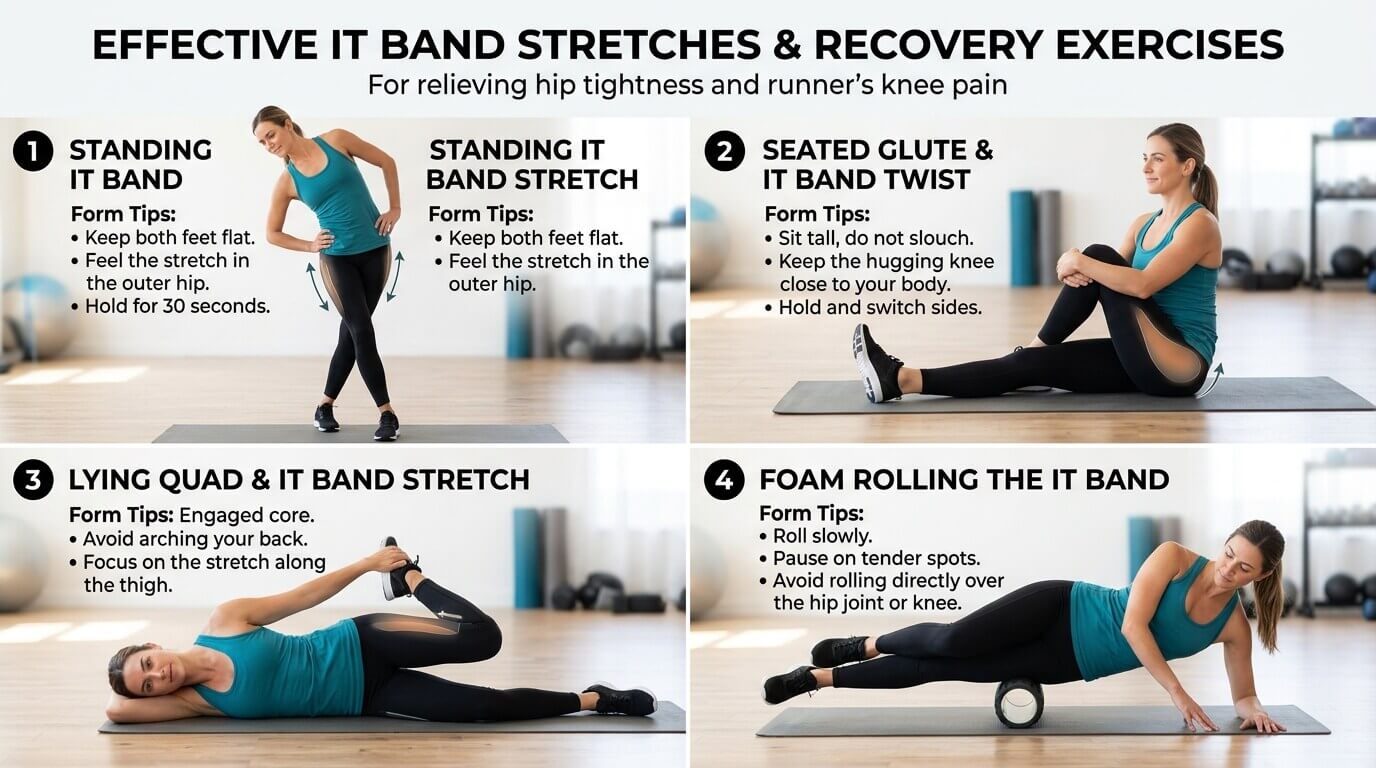
Aerobic exercise—like brisk walking, jogging, swimming, or cycling—strengthens your heart, improves circulation, and helps control weight. Strength training builds and maintains muscle mass, which naturally declines with age, and also boosts metabolism and bone density. Don’t overlook flexibility and balance exercises, especially as you get older—yoga, stretching, and balance drills prevent injuries and maintain mobility.
The key is finding activities you actually enjoy, so you’ll stick with them. If you hate running, don’t force it. Try hiking, playing basketball, or even active video games. The best exercise is the one you’ll do consistently. Start where you are, even if that’s just a 10-minute walk around the block, and gradually increase intensity and duration. Your future self will thank you.
Managing Stress and Mental Health

Mental health is a critical component of smart strategies for men’s health, yet it’s the area men are most likely to neglect. The stigma around men expressing emotions or seeking help for mental health issues leads to higher rates of suicide, substance abuse, and undiagnosed depression and anxiety.
Chronic stress isn’t just unpleasant—it’s physically harmful. It raises cortisol levels, increases blood pressure, weakens your immune system, and contributes to weight gain, particularly around the midsection. Learning to manage stress isn’t a luxury; it’s essential for survival. Practical strategies include regular exercise, which is a proven stress reliever; adequate sleep, which we’ll discuss shortly; mindfulness practices like meditation or deep breathing; and maintaining social connections.
Don’t underestimate the power of talking to someone, whether that’s a trusted friend, family member, or professional therapist. Therapy isn’t a sign of weakness—it’s a tool for becoming stronger and more resilient. If you’re struggling with persistent sadness, anxiety, irritability, or thoughts of self-harm, seek help immediately. Your mental health is just as important as your physical health, and addressing it head-on is one of the smartest things you can do.
Sleep: The Overlooked Health Priority
If you’re burning the candle at both ends, sacrificing sleep for work or entertainment, you’re sabotaging your health in ways you might not realize. Quality sleep is one of the most underrated smart strategies for men’s health. During sleep, your body repairs tissues, consolidates memories, regulates hormones, and strengthens your immune system.
Chronic sleep deprivation—getting less than seven hours per night—increases your risk of obesity, diabetes, cardiovascular disease, and even certain cancers. It also impairs cognitive function, decision-making, and emotional regulation. To improve sleep quality, establish a consistent sleep schedule, going to bed and waking up at the same time every day, even on weekends. Create a sleep-friendly environment: cool, dark, and quiet.
Limit screen time at least an hour before bed, as blue light interferes with melatonin production. Avoid heavy meals, caffeine, and alcohol close to bedtime. If you snore heavily or wake up feeling unrefreshed, talk to your doctor about sleep apnea, a serious condition that affects millions of men. Prioritizing sleep isn’t lazy—it’s essential maintenance that improves every other aspect of your health.
Understanding and Monitoring Heart Health
Heart disease remains the leading cause of death for men, making cardiovascular health a top priority in any smart strategies for men’s health plan. The heart is a muscle that needs care and attention. Know your numbers: blood pressure, cholesterol levels, and resting heart rate.
High blood pressure (above 130/80) and high LDL cholesterol are major risk factors for heart attacks and strokes, but they often have no symptoms. Regular monitoring allows you to catch problems early. Lifestyle factors that protect your heart include maintaining a healthy weight, exercising regularly, eating a diet low in saturated fats and sodium, not smoking, limiting alcohol, and managing stress.
If you have a family history of heart disease, discuss it with your doctor—you may need earlier or more frequent screenings. Pay attention to warning signs like chest pain, shortness of breath, unusual fatigue, or irregular heartbeat, and seek immediate medical attention if they occur. Your heart works tirelessly for you every second of every day; showing it some respect through healthy choices is a smart investment.
Maintaining a Healthy Weight

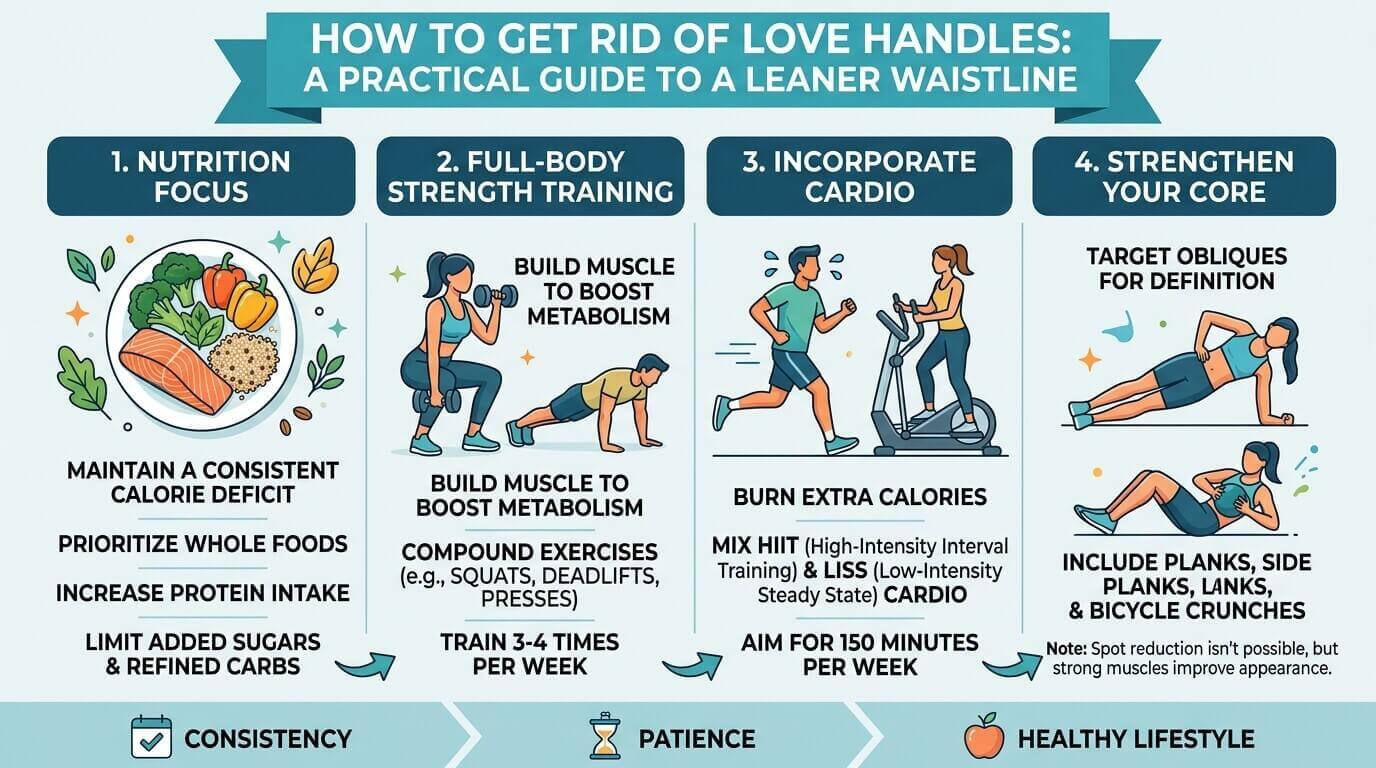
Carrying excess weight, particularly around the midsection, significantly increases your risk for numerous health problems, including heart disease, diabetes, sleep apnea, and joint issues. One of the most effective strategies for men’s health is achieving and maintaining a healthy weight. This doesn’t mean pursuing an unrealistic physique or following extreme diets. It means finding a sustainable balance between the calories you consume and the energy you expend.
Calculate your Body Mass Index (BMI) and waist circumference to get a realistic picture of where you stand. A waist measurement over 40 inches for men indicates increased health risks. Focus on gradual, sustainable weight loss—1 to 2 pounds per week—through a combination of healthy eating and regular exercise. Avoid fad diets that promise quick results; they’re almost always unsustainable and often unhealthy. Instead, make permanent lifestyle changes you can live with.
Track your food intake for a few weeks to understand your eating patterns and identify areas for improvement. Small changes, like swapping sugary drinks for water or adding an extra serving of vegetables to dinner, add up over time. Remember, this is a marathon, not a sprint.
The Importance of Hydration
Water is essential for every bodily function, yet many men chronically underhydrate. Proper hydration supports digestion, regulates body temperature, lubricates joints, transports nutrients, and helps flush toxins from your body. Dehydration can cause fatigue, headaches, difficulty concentrating, and decreased physical performance.
A good rule of thumb is to drink at least eight 8-ounce glasses of water per day, more if you’re active, live in a hot climate, or drink caffeine or alcohol. One way to gauge hydration is by checking your urine color—pale yellow indicates good hydration, while dark yellow suggests you need more fluids.
Keep a water bottle with you throughout the day as a visual reminder to drink. If you find plain water boring, add lemon, cucumber, or mint for flavor without added sugar. Incorporating hydration into your smart strategies for men’s health is simple but profoundly impactful.
Building and Maintaining Muscle Mass
As men age, they naturally lose muscle mass—a process called sarcopenia—which begins in your 30s and accelerates after 50. Maintaining muscle isn’t just about appearance; it’s crucial for metabolism, bone health, balance, and functional independence as you age.
Strength training should be a core component of smart strategies for men’s health at every age. This doesn’t require expensive gym memberships or complicated equipment. Bodyweight exercises like push-ups, squats, and planks are highly effective. Resistance bands and dumbbells offer variety and progressive challenge. Focus on compound movements that work multiple muscle groups simultaneously, such as deadlifts, bench presses, and rows.
Aim for at least two strength training sessions per week, allowing adequate rest between workouts for muscle recovery. Protein intake is equally important—shoot for 0.8 to 1 gram of protein per pound of body weight daily, spread across meals. The muscle you build now is the mobility and independence you preserve for your future.
Avoiding Harmful Habits
Some health strategies are about what to add to your life; others are about what to eliminate. Smoking, excessive alcohol consumption, and recreational drug use are among the most damaging behaviors for men’s health. If you smoke, quitting is the single most impactful thing you can do for your health.
It reduces your risk of heart disease, stroke, lung disease, and numerous cancers. It’s never too late to quit—your body begins healing within hours of your last cigarette. Excessive alcohol damages your liver, increases cancer risk, contributes to weight gain, disrupts sleep, and impairs judgment. Stick to moderate consumption or consider eliminating it. If you find it difficult to control your use of any substance, seek professional help. Addressing these harmful habits is a critical element of smart strategies for men’s health, and resources are available to support you.
Conclusion
Implementing smart strategies for men’s health isn’t about perfection—it’s about progress. You don’t have to overhaul your entire life overnight. Start with one or two changes that feel manageable, build consistency, and gradually add more healthy habits. Schedule that overdue physical. Take a walk after dinner.
Swap soda for water. Go to bed 30 minutes earlier. Each small step compounds over time, creating significant improvements in how you look, feel, and function. Your health is your most valuable asset. Without it, nothing else matters. So take control, make informed choices, and invest in yourself. The best time to start was yesterday. The second best time is right now.