Introduction
There is a profound comfort in returning to a house you have lived in for decades. You know where the loose floorboard is and how the sunlight hits the kitchen table at noon. Leaving that environment feels like losing a part of yourself. Many older adults feel a deep pull to remain in their familiar surroundings. They want to stay connected to neighbors, friends, and memories rather than starting over in an unfamiliar facility.
This desire has created a massive shift in how society approaches elder care. Instead of assuming institutional care is the only option, families are looking for alternatives first. One term keeps appearing in planning documents and medical advice: Aging in Place. It represents a lifestyle choice backed by practical modifications and support systems. Understanding this path ensures you are prepared when the time comes.
The goal is not just to survive at home, but to thrive while doing so. This approach empowers individuals to maintain dignity and autonomy for as long as possible. Statistics show that the majority of seniors prefer this option over moving to senior housing communities. By preparing now, you can avoid last-minute chaos and stressful decisions later. Let’s explore how to build a safe, supportive foundation for long-term living at home.
What Is Aging in Place and Why It Matters Today

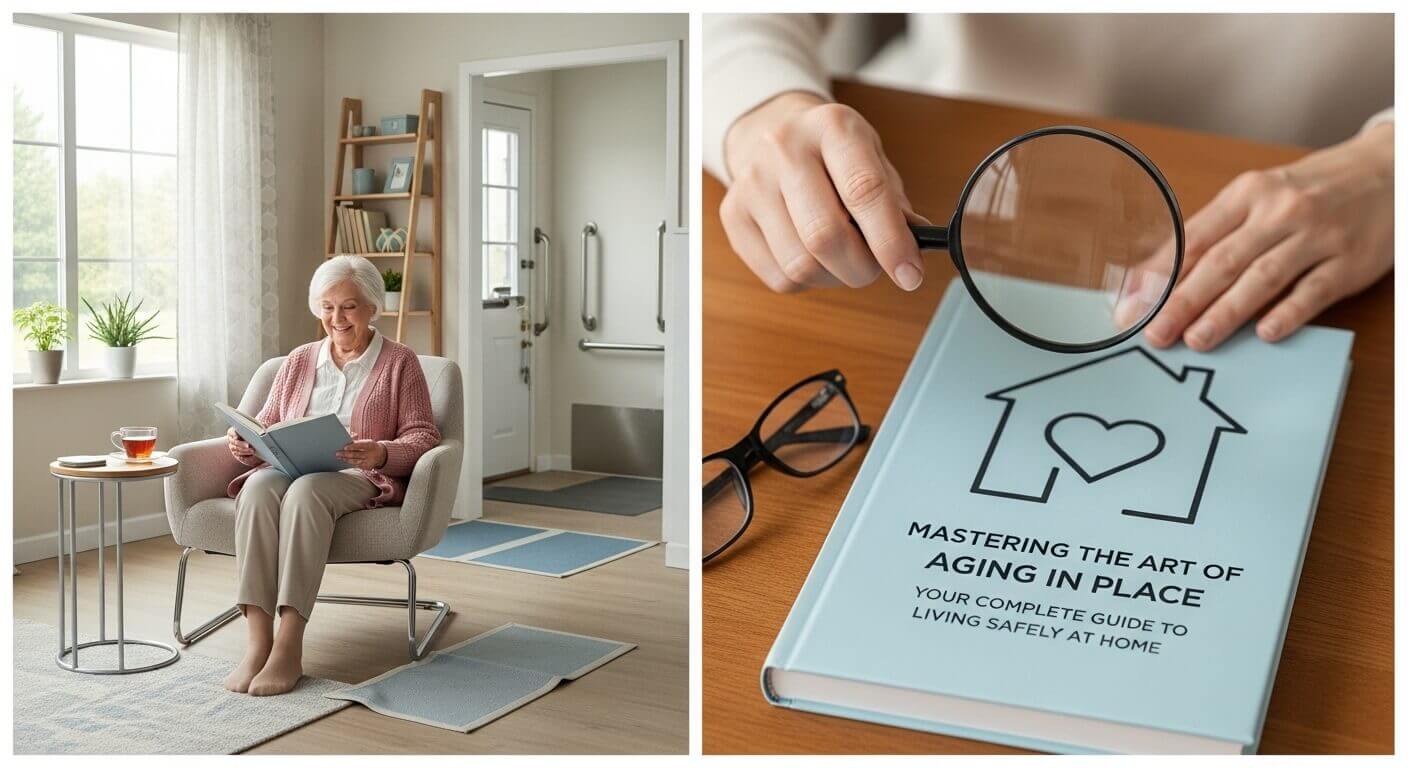
To truly understand this concept, we must define it beyond the basic dictionary meaning. Aging in Place refers to older adults’ ability to live safely and independently in their own homes as they age. It involves adapting the living environment to meet changing physical needs. It is not simply staying put; it is actively managing your surroundings to prevent decline.
Demographics are driving this movement forward. As life expectancy increases, the demand for home-based care solutions grows exponentially. The baby boomer generation is entering retirement years with different expectations than their parents. They are wealthier, more tech-savvy, and value independence highly. This cultural shift forces a redesign of housing and service models.
The Demographic Reality Check
According to recent data, nearly eighty percent of people over sixty-five say they wish to remain in their current residence forever. However, many lack a concrete plan to make that happen. Without preparation, health declines force hasty moves to nursing facilities sooner than planned. Proactive planning changes these outcomes significantly. It allows for a gradual adaptation rather than a sudden disruption.
Funding this longevity is another critical component of why it matters. Nursing homes often cost upwards of ten thousand dollars per month. Home modifications and personal care aides usually cost less overall. Keeping funds in personal savings extends your financial runway significantly. This economic advantage makes the choice pragmatic as well as emotional.
Psychological Impact of Familiarity
Home provides a sense of identity that institutions cannot replicate. In a facility, your schedule follows their rules. At home, you wake up when you want and cook meals your way. That autonomy boosts mental health and reduces feelings of depression. Studies indicate lower rates of cognitive decline among seniors who maintain active routines in their own spaces.
Social isolation is a major risk factor in old age. Moving away from a long-term neighborhood cuts ties with local networks. Neighbors often check on one another informally before anyone notices a problem. Maintaining these bonds provides a safety net that staff in a facility cannot fully replace. Community connection is a vital health metric.
Key Benefits of Choosing Home-Based Long-Term Care
Choosing this path offers advantages that extend far beyond financial savings. The most obvious benefit is maintaining control over daily life. You decide when to eat, who visits, and how the day begins. This level of autonomy preserves self-respect and dignity every single day. Losing that control is often harder on the mind than the physical limitations themselves.
There are also specific features within this model that promote better health outcomes. When patients are comfortable, they adhere better to medical regimens. A pill organizer on your own counter works differently than one in a communal room. Medication management becomes easier when you are not rushing to a meal bell.
Customization of Lifestyle
Every home environment is unique to the person living there. You can arrange furniture to suit your mobility aids perfectly. Lighting can be set to reduce glare and protect vision. Flooring choices can eliminate trip hazards without sacrificing aesthetics. These small details add up to a safer, more accessible space over time.
Personal preferences drive quality of life improvements dramatically. Some people love gardening and need raised beds. Others might prioritize quiet study areas for reading. Facilities rarely offer such flexibility due to strict building codes and regulations. Customization turns a house into a true sanctuary for recovery.
Flexibility in Care Services
Professional help integrates smoothly when the client sets the terms. You hire a nurse to come in for three hours or twenty-four seven. The schedule fits your medical appointments and energy levels. This modularity prevents paying for unused care services unnecessarily. Adjustments happen quickly as health needs fluctuate throughout the year.
Technology acts as a multiplier for these benefits. Smart devices monitor vitals without intruding on privacy continuously. Video calls connect you to family instantly whenever loneliness strikes. These digital tools bridge gaps between scheduled visits effectively. You get round-the-clock peace of mind without constant physical presence.
Step-by-Step Guide to Implementing Your Plan
Creating a sustainable strategy requires breaking down the process into manageable tasks. Rushing leads to oversights that can compromise safety later. Take a measured approach to ensure nothing important gets missed. Patience here pays dividends in reduced stress down the road.
Phase One: Home Safety Audit
Start by walking through your house with fresh eyes. Look for obstacles that a walker or wheelchair might catch on. Check railings on stairs for stability and height adequacy. Identify lighting issues in hallways and bathrooms specifically. Write down every potential hazard you see on a list.
Consider hiring a professional Occupational Therapist for this assessment. They have training to spot risks laypeople miss easily. They can recommend equipment that fits your specific body mechanics. Their input transforms subjective guesses into objective safety standards. Get this report done before making any purchases.
Phase Two: Structural Modifications
Physical changes to the property address the root causes of falls. Bathroom upgrades should be the top priority for injury prevention. Install grab bars near the toilet and inside the shower area. Replace standard tubs with zero-entry showers if possible. These renovations remove slip risks permanently.
Widen doorways to accommodate future mobility device needs. Currently narrow halls often become bottlenecks later in life. Lever-style doorknobs work better for those with arthritis grip strength. Single-story living layouts reduce the danger of stair navigation entirely. Prioritize high-impact changes based on your safety audit findings.
Phase Three: Building a Support Network
You cannot rely solely on family members for ongoing assistance. Establish relationships with trusted professionals beforehand. Research local agencies that provide non-medical home care. Build rapport with neighbors willing to keep an eye out occasionally. Having people lined up creates a reliable web of protection.
Healthcare providers play a central role in monitoring wellness. Schedule regular check-ups to track chronic conditions proactively. Share your plan with your primary care physician. They can refer you to specialists for therapy or assistive devices. Coordination ensures medical advice aligns with home modifications.
Common Mistakes Families Make During Planning
Even with good intentions, mistakes can derail a solid plan. One frequent error is waiting until a crisis occurs to start planning. Waiting for a fall or hospitalization forces rushed decisions. These urgent situations often lead to expensive institutional placements unnecessarily. Preparation avoids panic-driven choices made under pressure.
Ignoring legal and financial arrangements is another major pitfall. Many people assume their children will handle everything automatically. Without power of attorney documents, guardianship courts may intervene instead. Banks freeze accounts if no one is authorized to act legally. Get your paperwork done while you still have full capacity.
Underestimating the Mental Load
Caring for aging relatives places a significant strain on family caregivers. Burnout is common when duties exceed available resources. Without respite options, resentment builds between siblings or spouses. Assuming everyone will pitch in equally leads to conflict and abandonment of responsibilities. Formalize caregiving roles to distribute the load fairly.
Financial exhaustion often happens slowly over many years. Families underestimate the cost of long-term home modifications. Renovations are capital-intensive and require upfront cash flow. Budgeting for unexpected health spikes is essential for survival. Set aside funds for emergency repairs and unplanned care needs.
Neglecting Social Engagement Opportunities
Staying at home does not mean isolating oneself indefinitely. Seniors sometimes retreat when physical limitations increase mobility barriers. Withdrawal accelerates cognitive decline and depression rapidly. Encourage participation in community events that remain accessible. Transportation assistance programs exist to bridge this gap specifically.
Technology can facilitate connection if used correctly. Train them to use tablets for video chats with grandchildren. Join online groups focused on hobbies or shared interests. Social interaction keeps the brain sharp and motivated. Loneliness is often a silent killer that home living cannot solve alone.
Expert Tips for Ensuring Long-Term Success

Experienced planners know that success lies in anticipation and flexibility. You should view this journey as evolving rather than static. Plans made five years ago may need significant adjustments by tomorrow. Stay adaptable to new technologies and changing health needs constantly. Regular reviews keep the system functioning smoothly.
Leverage Assistive Technology Wisely
Modern gadgets offer solutions that were unavailable even a decade ago. Fall detection watches alert emergency services if someone goes down. Voice assistants can manage lights, locks, and medication reminders hands-free. Security cameras allow distant family members to check in gently. Use these tools to enhance freedom, not replace humanity.
Ensure the technology matches the user’s skill level. Complex interfaces confuse older users and create frustration. Choose systems with large buttons and clear audio feedback. Test devices extensively before relying on them for safety. Simplicity guarantees adoption and consistent usage patterns.
Prioritize Nutrition and Physical Therapy
Muscle loss accelerates after age seventy without intervention. Physical therapists design exercises that restore balance and strength safely. Proper nutrition fuels recovery and maintains bone density. Protein intake is crucial to prevent frailty and sarcopenia. Dietitians can tailor meal plans to swallowing difficulties or dietary restrictions.
Hydration is often overlooked but critical for organ function. Dehydration mimics other symptoms and complicates diagnoses. Provide water stations throughout the home for easy access. Monitor urine output as a simple indicator of fluid intake. Small habits contribute to long-term resilience against illness.
Secure Funding Early Through Insurance
Long-term care insurance can cover specific home care services if purchased young. Review policies annually to understand coverage limits and exclusions. Understand what counts as qualifying activities for payouts. Medicaid eligibility varies by state and asset levels significantly. Plan your assets with tax implications in mind carefully.
Family contributions often supplement government aid successfully. Clear communication about financial expectations prevents fights later. Document all contributions in case of inheritance disputes. Financial transparency keeps relationships intact during vulnerable times. Money talks louder than love when bills pile up unexpectedly.
| Area | Priority Level | Action Required |
|---|---|---|
| Bathroom Safety | High | Install Grab Bars |
| Legal Documents | Critical | Power of Attorney |
| Financial Plan | Medium | Review Budget |
| Social Connection | High | Schedule Weekly Calls |
| Health Monitoring | Critical | Telehealth Setup |
Navigating Challenges and Barriers
Barriers to entry are real and must be acknowledged honestly. Not every home is structurally capable of modification. Rental agreements often forbid permanent alterations to the property. Landlord permission must be obtained, or alternative housing found. Knowing these limits upfront saves frustration and wasted deposits.
Workforce shortages affect the availability of qualified home care providers. There are not enough nurses or aides in some regions to fill demand. Rural areas face particularly steep challenges regarding specialist access. Remote care options help mitigate distance but cannot replace physical touch. Explore virtual care partnerships as a backup plan.
Managing Family Dynamics
Sibling rivalry often surfaces when caring for aging parents. Perceived fairness regarding money and time causes deep rifts. Hold family meetings regularly to discuss progress openly. Mediators can help resolve conflicts professionally before they escalate. Shared decision-making reduces blame and promotes cooperation.
Emotional attachment clouds judgment in critical moments. Children may want to keep their parents at home longer than medically advisable. Professional assessments provide objective data to guide difficult conversations. Listen to the elder’s wishes before prioritizing your own comfort. Respectful dialogue honors their agency throughout the process.
Final Thoughts on Dignified Independence
Planning for the future starts with a conversation about mortality. It is uncomfortable but necessary for effective preparation. Acknowledging physical changes allows for adaptive measures rather than resistance. Acceptance paves the way for creative solutions to common problems. Courage lies in facing the realities of growing old honestly.
Your home remains a powerful tool for healing and happiness. With the right support, it offers freedom that institutions struggle to match. Safety protocols and loved ones form a sturdy foundation for the journey ahead. Embrace the opportunity to age with grace and self-determination.
The decision to pursue Aging in Place is deeply personal and rewarding. It respects your history while protecting your future safety. You deserve to live comfortably surrounded by your own memories. Implementation takes effort but yields a lifetime of meaningful rewards. Start today by taking one small step toward securing your sanctuary.