Introduction
Your body temperature climbs past 101°F. Every muscle aches like you’ve run a marathon. A dry cough tears through your chest every few minutes. You stumble to the doctor, get tested for flu, and they tell you it’s Influenza A.
But what does that actually mean? Is flu A worse than flu B? Should you be more worried than if you had the other type?
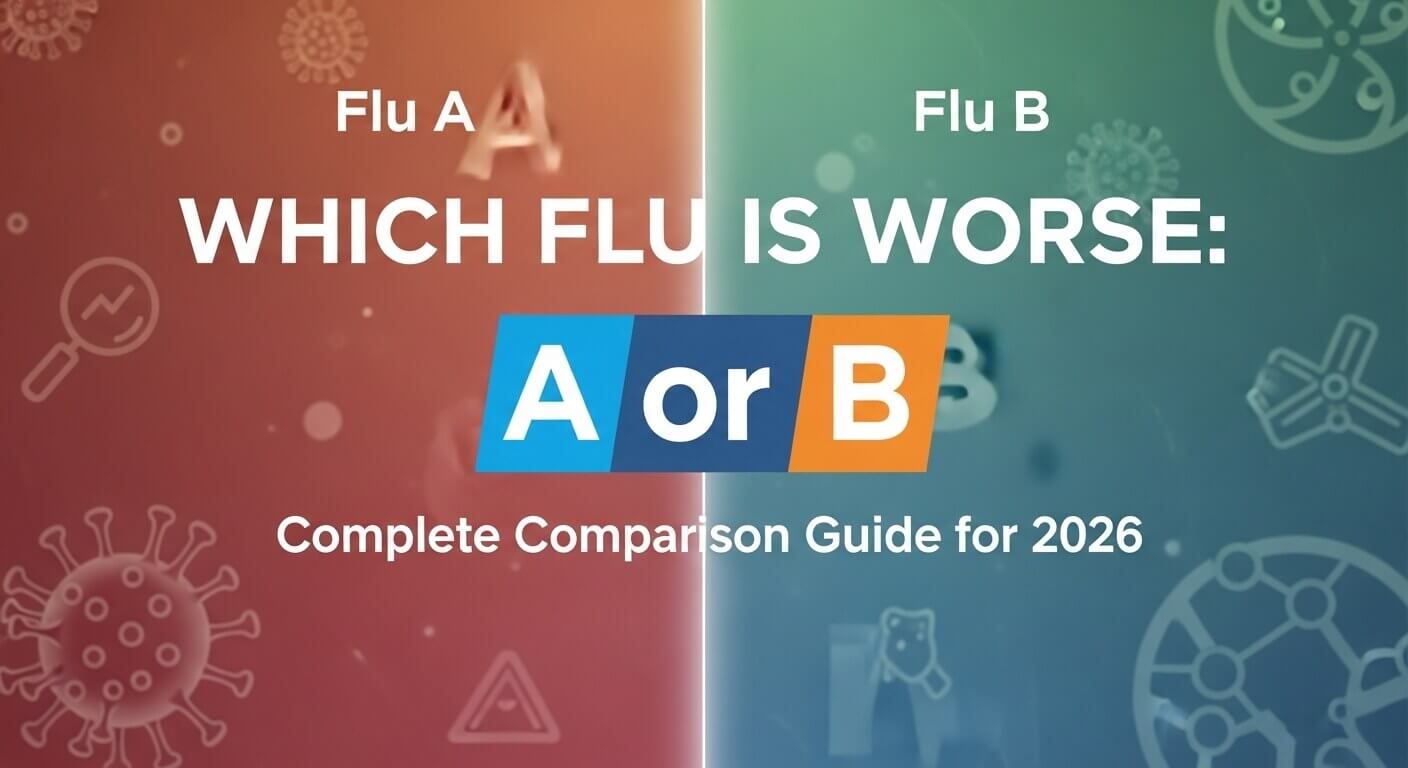
These questions matter more than you might think. While both flu types knock you flat, they behave differently in terms of severity, who they affect most, and how quickly they spread. Understanding which flu is worse—which flu is worse, A or B—helps you know what to expect, when to seek medical care, and how to protect yourself and your family.
This guide breaks down everything you need to know about influenza A versus B without the medical jargon. You’ll learn the real differences, recognize warning signs, and discover practical steps to handle either type effectively.
Understanding Influenza A and B: The Basics
Influenza isn’t just one virus. It’s a family of viruses divided into different types, with A and B being the two main culprits behind seasonal flu outbreaks in humans.
What Makes Flu A Different
Influenza A represents the most common flu type, accounting for roughly 75% of all flu cases in any given season. This virus has a particularly troublesome characteristic—it can infect humans, birds, pigs, and other animals.
The ability to jump between species allows flu A to mutate rapidly. These mutations constantly create new strains, which is why you can catch the flu multiple times despite having immunity from previous infections. Your immune system doesn’t recognize the new version.
Flu A follows predictable seasonal patterns, typically peaking between December and February in the Northern Hemisphere. However, cases can start appearing as early as October and continue through May.
What Makes Flu B Unique
Influenza B makes up approximately 25% of seasonal flu cases. Unlike its cousin, flu B only infects humans. This limitation actually matters quite a bit for how the virus behaves.
Since flu B can’t use animals as hosts, it mutates much more slowly than flu A. The virus changes over time, but at a more gradual pace. This means immunity from a previous flu B infection offers better protection against future flu B strains compared to flu A.
Flu B tends to circulate later in the flu season, often appearing more prominently from February through March. Children and adolescents catch flu B more frequently than adults, though anyone can contract it.
Which Flu Is Worse: The Severity Question

The million-dollar question: which flu type actually makes you sicker? The answer isn’t as straightforward as you might hope.
Flu A’s Reputation for Severity
Influenza A generally earns its reputation as the more severe flu type. Research and clinical observations show several patterns that make flu A particularly challenging.
Symptoms from flu A tend to hit harder and faster. Many people report feeling fine in the morning and completely miserable by evening. The rapid onset catches people off guard and leaves them feeling exceptionally weak.
Fever with flu A typically runs higher than flu B, often spiking above 102°F or even 103°F in adults. These elevated temperatures create intense chills, severe body aches, and profound fatigue that makes even sitting upright feel exhausting.
The respiratory symptoms associated with flu A tend toward the severe end. Dry, hacking coughs can become relentless and painful. Sore throats develop quickly and make swallowing uncomfortable. Nasal congestion might not be as pronounced, but the overall upper respiratory distress exceeds what most people experience with flu B.
Flu A carries a higher risk of complications, including:
- Bacterial pneumonia
- Worsening of chronic conditions like asthma or heart disease
- Sinus and ear infections
- Myocarditis (inflammation of the heart)
- Encephalitis (brain inflammation)
High-risk groups—older adults, young children, pregnant women, and people with weakened immune systems—face particularly serious threats from flu A. Hospitalizations and deaths from seasonal flu are more commonly linked to influenza A strains.
Flu B’s Impact Shouldn’t Be Underestimated
While flu B has a milder reputation, calling it “the easy flu” would be completely misleading. Flu B still causes significant illness and can lead to serious complications.
Children under age 5 often experience more severe flu B cases than adults. Young kids may develop gastrointestinal symptoms like nausea, vomiting, and diarrhea alongside respiratory symptoms. This combination can lead to dehydration, which becomes dangerous quickly in small children.
Older adults also face increased risk from flu B despite it being “generally milder.” A 2020 study examining the 2017-2018 flu season found similar mortality rates between flu A and flu B after 30 and 90 days. This research challenges the assumption that flu A is always worse.
Flu B symptoms typically include:
- Moderate to high fever (usually 100-102°F)
- Body aches and muscle pain
- Fatigue and weakness
- Dry cough
- Headache
- Sore throat
- Occasional gastrointestinal symptoms (especially in children)
The symptoms develop somewhat more gradually than flu A in many cases, though individual experiences vary widely. Some people with flu B report feeling just as miserable as they would with flu A.
The Real Answer: It Depends
Medical professionals hesitate to declare one flu type definitively worse because individual responses vary dramatically. Factors affecting severity include:
Your age group: Adults tend to have worse flu A cases, while children often struggle more with flu B.
Underlying health conditions: Chronic illnesses like diabetes, heart disease, or respiratory conditions increase vulnerability to both types.
Immune system strength: People with compromised immunity from medications, treatments, or conditions face a higher risk regardless of flu type.
Vaccination status: Getting your annual flu shot reduces severity for both types, though effectiveness varies year to year.
The specific strain: Not all flu A or flu B strains behave identically. Some years produce particularly aggressive variants.
Timing of treatment: Starting antiviral medications within 48 hours significantly reduces severity and complications for both types.
The bottom line? Flu A statistically causes more severe, widespread illness and complications. However, flu B can absolutely make you seriously ill, especially if you’re in a high-risk category. Neither type deserves to be taken lightly.
Recognizing Symptoms: A vs B
Both flu types share core symptoms that make distinguishing them without testing nearly impossible. However, some subtle patterns emerge.
Common Symptoms of Both Types
Whether you catch flu A or flu B, expect to experience:
Sudden onset of illness: Unlike colds that develop gradually, the flu hits fast. You might wake up feeling fine and be bedridden by the afternoon.
High fever: Temperatures typically range from 100°F to 104°F. Fever usually lasts 3-4 days but can persist longer.
Severe body aches: Muscles and joints hurt intensely, even without movement. Many people describe feeling “hit by a truck.”
Extreme fatigue: The exhaustion goes beyond normal tiredness. Simple tasks like walking to the bathroom require significant effort.
Dry cough: A harsh, non-productive cough develops early and often persists after other symptoms improve.
Headache: Moderate to severe headaches accompany most flu cases, often behind the eyes or temples.
Sore throat: Throat pain typically appears within the first day or two.
Chills and sweats: Temperature fluctuations create cycles of intense chills followed by profuse sweating.
Subtle Differences in Presentation
While overlap is substantial, certain patterns appear more frequently with each type:
Flu A tendencies:
- Higher initial fever (often 103°F+)
- More intense body aches
- Faster symptom escalation
- More severe respiratory symptoms
- Less likely to include gastrointestinal issues in adults
Flu B tendencies:
- Slightly lower fever range (100-102°F typically)
- More common gastrointestinal symptoms in children
- Somewhat slower symptom development
- Milder overall presentation in healthy adults
- Can still cause severe illness in high-risk groups
These are tendencies, not rules. Many people with flu B develop extremely high fevers and severe symptoms. Conversely, some people with flu A experience relatively mild cases.
When Symptoms Signal Danger
Certain warning signs require immediate medical attention regardless of flu type:
Difficulty breathing or shortness of breath: Struggling to catch your breath or feeling like you can’t get enough air indicates serious complications.
Persistent chest or abdominal pain: Constant pain in these areas can signal pneumonia or other dangerous complications.
Sudden dizziness or confusion: Changes in mental status suggest dehydration or more serious issues.
Severe or persistent vomiting: Inability to keep fluids down leads to dangerous dehydration quickly.
High fever that won’t break: Fever above 104°F in adults or lasting more than 3-4 days needs evaluation.
Symptoms that improve, then suddenly worsen: This pattern often indicates secondary bacterial infection.
Blue lips or face: This signals oxygen deprivation requiring emergency care.
Children, older adults, pregnant women, and people with chronic conditions should seek medical care sooner rather than later when flu symptoms develop.
How Flu A and B Spread
Both influenza types spread through identical mechanisms, making prevention strategies the same for each.
Transmission Methods
The flu virus travels from person to person primarily through respiratory droplets. When someone with the flu coughs, sneezes, talks, or even breathes heavily, they release microscopic droplets containing virus particles into the air.
These droplets can land in the mouths or noses of people standing within about 6 feet. Sometimes people inhale the droplets directly into their lungs. Either way, the virus finds a new host.
Surface contamination creates another transmission route. Flu viruses can survive on hard surfaces like doorknobs, countertops, and phones for 24 to 48 hours. When you touch a contaminated surface then touch your mouth, nose, or eyes, you introduce the virus into your system.
Contagious Periods
Understanding when flu becomes contagious helps prevent spread to others. People with flu typically become contagious about 24 hours before symptoms start appearing.
This “pre-symptomatic” contagious period creates particular challenges because you’re spreading the virus before you even know you’re sick. You might attend work, school, or social events feeling fine while unknowingly infecting others.
Most adults remain contagious for about 5-7 days after symptoms begin. Children and people with weakened immune systems can spread flu for longer periods—sometimes 10 days or more.
The first 3-4 days of illness represent peak contagiousness when viral shedding reaches its highest levels. Staying isolated during this period protects vulnerable people around you.
Why Flu A Spreads More Widely
Flu A’s ability to infect animals creates additional spread opportunities. When the virus jumps between species, it can pick up new genetic material and create entirely new strains.
This process, called reassortment, occasionally produces pandemic strains that human immune systems have never encountered. Flu A caused every modern flu pandemic, including the 1918 Spanish Flu, the 1957 Asian Flu, the 1968 Hong Kong Flu, and the 2009 H1N1 pandemic.
Flu A’s rapid mutation rate also helps it evade immune systems more effectively. Even if you had flu A last year, this year’s strain might differ enough that your previous immunity offers limited protection.
Flu B’s human-only transmission limits its pandemic potential but doesn’t make it any less contagious on a person-to-person basis.
Treatment Options for Both Flu Types

Treatment approaches remain identical whether you have flu A or flu B. The goal focuses on managing symptoms, preventing complications, and shortening illness duration when possible.
Antiviral Medications
Prescription antiviral drugs can significantly reduce flu severity and duration if started within 48 hours of symptom onset. These medications work for both flu A and flu B.
Oseltamivir (Tamiflu): The most commonly prescribed antiviral comes in pill or liquid form. Adults and children can take it. Typical dosing involves two doses daily for five days.
Zanamivir (Relenza): This inhaled powder works similarly to Tamiflu. People with asthma or respiratory conditions should avoid it due to the breathing difficulties it can trigger.
Peramivir (Rapivab): Administered as a single intravenous dose in healthcare settings, this option helps people who can’t take oral medications.
Baloxavir (Xofluza): The newest antiviral requires just one oral dose. It costs more than other options but offers convenience.
Antivirals reduce flu duration by about 1-2 days on average and significantly lower complication risks, especially in high-risk individuals. They work best when started immediately, but can still provide benefit even after the 48-hour window.
Home Symptom Management
Most people recover from the flu at home without prescription medications. Effective symptom relief strategies include:
Rest extensively: Your body needs energy to fight infection. Sleep as much as possible and avoid physical exertion.
Stay hydrated: Fever and sweating deplete fluids rapidly. Drink water, clear broths, electrolyte drinks, or warm tea regularly throughout the day.
Manage fever and pain: Acetaminophen (Tylenol) or ibuprofen (Advil, Motrin) reduces fever and eases body aches. Never give aspirin to children or teenagers with flu due to the risk of Reye’s syndrome.
Use humidifiers: Moist air soothes irritated airways and loosens congestion. Clean humidifiers regularly to prevent bacterial growth.
Try throat soothers: Warm salt water gargles, throat lozenges, or honey (for those over age 1) can ease sore throat pain.
Control cough: Over-the-counter cough suppressants containing dextromethorphan help manage persistent dry cough, especially at night.
Support breathing: Steam from hot showers or bowls of hot water can temporarily ease breathing difficulties.
When to Seek Medical Care
Most flu cases resolve with home care within a week. However, certain situations require professional medical evaluation:
- Difficulty breathing or shortness of breath
- Chest pain or pressure
- Severe weakness or dizziness
- High fever lasting more than 3-4 days
- Symptoms that improve, then suddenly worsen
- Severe dehydration (dark urine, no urination for 8+ hours, extreme thirst)
- Confusion or altered mental state
People in high-risk groups should contact healthcare providers when flu symptoms first develop rather than waiting to see if they worsen.
Preventing Both Flu A and B
Prevention strategies work equally well against both flu types since transmission methods are identical.
Annual Flu Vaccination
Getting your yearly flu shot remains the single most effective prevention tool. Modern flu vaccines protect against multiple strains of both influenza A and B.
Vaccine composition changes annually based on predictions about which strains will circulate most heavily. Even when predictions aren’t perfect, vaccination still reduces severity if you do catch the flu.
The flu vaccine typically becomes available in September. Aim to get vaccinated by the end of October for optimal protection, though getting it later still provides benefit throughout flu season.
Protection develops about two weeks after vaccination. Annual vaccination is necessary because immunity wanes over time and virus strains change.
Common vaccine types include:
- Standard dose injection (most people)
- High-dose injection (adults 65+)
- Nasal spray (healthy people ages 2-49)
Hygiene Practices
Good hygiene habits dramatically reduce flu transmission risk:
Wash hands frequently: Use soap and warm water for at least 20 seconds, especially after being in public spaces, before eating, and after coughing or sneezing.
Use hand sanitizer: When soap isn’t available, alcohol-based hand sanitizer with at least 60% alcohol kills flu viruses effectively.
Avoid touching your face: Keep your hands away from your eyes, nose, and mouth, where viruses enter your body.
Cover coughs and sneezes: Use tissues or cough into your elbow rather than your hands. Discard used tissues immediately.
Disinfect surfaces: Clean frequently touched surfaces like doorknobs, light switches, phones, and keyboards daily during flu season.
Social Distancing During Illness
If you develop flu symptoms, protect others by:
- Staying home from work, school, and social activities
- Avoiding close contact with household members when possible
- Wearing a mask if you must be around others
- Sleeping in a separate room from family members if feasible
- Using a separate bathroom if possible or disinfecting after each use
Remain home until you’ve been fever-free for at least 24 hours without fever-reducing medication.
Supporting Immune Health
While these measures don’t guarantee flu prevention, they support overall immune function:
- Get adequate sleep (7-9 hours nightly)
- Eat a balanced diet rich in fruits and vegetables
- Exercise regularly
- Manage stress through healthy coping strategies
- Avoid smoking and excessive alcohol use
- Stay hydrated year-round
Common Mistakes People Make
Understanding these common errors helps you avoid unnecessary complications and spread.
Mistake 1: Thinking Flu Is Just a Bad Cold
The flu is fundamentally different from the common cold. Colds develop gradually and rarely cause high fever or severe body aches. The flu strikes suddenly and creates intense systemic symptoms.
Underestimating the flu leads people to go to work or school while contagious, spreading the virus to vulnerable individuals who might develop serious complications.
Mistake 2: Demanding Antibiotics
Antibiotics kill bacteria, not viruses. The flu is viral, so antibiotics provide zero benefit. They won’t shorten illness, reduce symptoms, or prevent complications.
Taking unnecessary antibiotics contributes to antibiotic resistance and can cause side effects like diarrhea and yeast infections.
Antibiotics only help if you develop a secondary bacterial infection like pneumonia or sinusitis, which your doctor will diagnose and treat appropriately.
Mistake 3: Skipping Flu Shots Based on Myths
Common vaccine misconceptions include:
“The flu shot gave me the flu” — Impossible. The vaccine contains an inactivated virus that cannot cause infection. Some people develop mild side effects like sore arms or low-grade fever, but this isn’t the flu.
“I never get sick, so I don’t need it” — Healthy people spread flu to vulnerable populations even if they experience mild illness themselves.
“The vaccine doesn’t work” — While effectiveness varies, vaccination reduces illness severity and complication risk even in years when strain matching isn’t perfect.
Mistake 4: Returning to Normal Activity Too Soon
Pushing yourself to resume full activities while still recovering prolongs illness and increases the risk. Your body needs adequate rest to fully recover.
Returning to work or school while still contagious spreads flu to others. Wait until you’ve been fever-free for 24 hours without medication before resuming normal activities.
Mistake 5: Not Seeking Care When Warranted
Trying to tough it out when symptoms signal complications can lead to dangerous outcomes. High-risk individuals, particularly, should err on the side of caution and seek medical evaluation early.
Early antiviral treatment makes the biggest difference, but many people wait too long to contact healthcare providers.
Whether you face influenza, which flu is worse, A or B, both types deserve your respect and attention. While flu A statistically causes more severe widespread illness, flu B can absolutely make you seriously sick—especially if you’re in a high-risk category.
The most important takeaway isn’t which flu is worse but rather that both types require the same prevention and treatment approaches. Annual vaccination, good hygiene, prompt medical care when needed, and adequate rest during illness all apply equally to influenza A and B.
Don’t let mild flu B cases in past years make you complacent about future infections. Don’t panic if you’re diagnosed with flu A instead of B. Focus instead on taking appropriate care steps, watching for warning signs, and protecting vulnerable people around you.
Get your flu shot every fall. Wash your hands regularly. Stay home when you’re sick. Seek medical care if symptoms become severe or you’re in a high-risk group. These simple actions protect you and everyone in your community from both influenza types.
The flu season brings challenges every year, regardless of which type predominates. But armed with accurate information and practical prevention strategies, you can navigate flu season with confidence and significantly reduce your risk of serious illness from either influenza which flu is worse a or B.