Introduction
Most people have a bathroom shelf full of half-used products, each one promising transformation and delivering confusion. The serums, the toners, the ten-step routines — it adds up to a lot of money spent chasing something that nature figured out long before the beauty industry existed.
That is the premise behind the growing appeal of Beauty Tips – Well Health Organic.com: that real, lasting skin health does not come from a laboratory formula or a celebrity-endorsed cream. It comes from understanding your body, choosing clean ingredients, and building habits that work with your skin instead of against it.
This guide draws on the philosophy and practices promoted by Well Health Organic.com to give you a genuinely useful, no-fluff roadmap to organic beauty — covering skincare, hair care, nutrition, Ayurvedic wisdom, and the mistakes that quietly sabotage even the best intentions.
What Beauty Tips – Well Health Organic.com Actually Stands For
Well, Health Organic.com is not just another beauty blog recycling the same five moisturiser recommendations. Its approach is rooted in a specific philosophy: that outer beauty is a direct reflection of inner health, and that the fastest route to glowing skin is treating your body well from the inside out.
At the heart of this platform is an integration of Ayurveda — an ancient science of life and healing that has guided generations toward balanced, holistic living. Ayurveda holds that beauty is a reflection of inner health, and that outer radiance comes naturally when your body, mind, and spirit are in harmony.
This matters because most conventional beauty advice treats skin as a surface problem requiring surface solutions. Well Health Organic takes the opposite view: breakouts, dullness, and premature ageing are often signals from inside the body that something needs attention — nutrition, sleep, stress, hydration, and hormonal balance.
The platform emphasises safe, chemical-free remedies, DIY beauty recipes, and eco-friendly practices — helping people obtain healthy skin and hair through nature-based remedies and age-old wisdom.
Why Organic Beauty Tips Matter More Than Ever

Here is a sobering reality: the average person applies 9–15 personal care products to their skin daily. The skin is the body’s largest organ and absorbs a significant portion of what is applied to it. Many conventional products contain parabens, sulfates, synthetic fragrances, and petrochemicals that have been linked to hormonal disruption, skin sensitivity, and long-term cellular stress.
Many commercial beauty products are laden with parabens, sulfates, artificial fragrances, synthetic colors, and other harsh chemicals. These ingredients can lead to irritation, hormonal imbalance, premature ageing, and long-term damage over time.
Switching to chemical-free beauty products has been associated with a reduction in skin irritation by as much as 65%. That is not a marginal improvement — it is a fundamental shift in how your skin feels day to day.
The organic beauty approach advocated by Well Health Organic.com does not require an overnight overhaul. It is built on gradual, informed swaps and the development of habits that compound over weeks and months into genuinely visible results.
Core Beauty Tips from Well Health Organic.com: Skincare from the Inside Out
Hydration: The Foundation No Product Can Replace
The simplest, most powerful beauty tip on the entire platform is also the most ignored: drink enough water. Chronically dehydrated skin appears dull, develops fine lines faster, and is less able to repair itself from daily damage.
Aim for 8–10 glasses of water daily to keep your skin plump and clear. Infusing water with organic cucumber or berries adds a refreshing antioxidant boost.
Beyond plain water, herbal teas deserve a place in your daily routine. Green tea is rich in EGCG (epigallocatechin gallate), a potent antioxidant that protects against UV damage and reduces inflammation. Chamomile tea supports sleep quality, which directly affects skin regeneration overnight. Spearmint tea has been shown in clinical studies to reduce androgen levels, which can meaningfully improve hormonal acne within weeks.
Nutrition That Shows Up on Your Face
What you eat is the most direct form of skincare available — and the one that most beauty routines completely ignore.
Including organic fruits and vegetables like blueberries, kale, and carrots — rich in vitamins A, C, and E — helps protect against free radicals and supports skin repair.
Key nutrients to prioritise for skin health:
- Vitamin C — essential for collagen synthesis. Found in citrus, bell peppers, guava, and amla (Indian gooseberry).
- Omega-3 fatty acids — reduce inflammation and keep the skin barrier strong. Found in flaxseeds, walnuts, and fatty fish.
- Zinc — regulates oil production and supports wound healing. Found in pumpkin seeds, legumes, and whole grains.
- Beta-carotene — converts to Vitamin A, supporting cell turnover. Found in carrots, sweet potato, and mango.
- Vitamin E — a fat-soluble antioxidant that protects cell membranes. Found in almonds, sunflower seeds, and avocado.
Processed foods, refined sugar, and excess dairy are consistently linked to increased inflammatory skin conditions including acne and eczema. The Well Health Organic approach asks you to reduce these not as a punishment, but as an experiment — most people notice a visible difference in their skin within 3–4 weeks of cleaning up their diet.
Sleep: The Original Anti-Ageing Treatment
Deep sleep allows your body to repair skin cells and boost collagen production, reducing fine lines and puffiness. Sleeping on organic cotton or bamboo pillowcases minimises irritation and helps retain skin moisture.
During the hours of deep sleep (roughly 10 pm–2 am), the body releases growth hormone, which drives cellular repair. Chronic sleep deprivation visibly degrades skin texture, increases cortisol (which breaks down collagen), and slows the turnover of fresh skin cells.
A consistent sleep schedule — same time to bed, same time to wake — is more effective than any night cream. Layer a rosehip oil or bakuchiol serum on clean skin before bed and let sleep do the real work.
The Well Health Organic Approach to Natural Skincare: Step-by-Step
Healthy and radiant skin does not require complicated routines or costly products. The power lies in natural and organic solutions to nourish your skin and enhance your beauty.
Here is a practical daily routine built on Well Health Organic.com principles:
Morning Routine
- Cleanse gently. Use a mild cleanser with natural ingredients — green tea, calendula, or chickpea flour (besan) mixed with a little turmeric and water. Avoid anything with sulfates, which strip the skin’s natural oils.
- Tone naturally. Rose water is the simplest, most effective toner available. It balances skin pH, reduces redness, and provides a light dose of antioxidants. Spray or pat on after cleansing.
- Moisturise for your skin type. For dry skin: a few drops of argan or jojoba oil, which closely mimics the skin’s own sebum. For oily or acne-prone skin: aloe vera gel is lightweight, antibacterial, and genuinely effective. For normal skin: a light cream containing aloe, shea butter, or chamomile extract.
- Sun protection, always. Apply a mineral-based sunscreen with zinc oxide (SPF 30 minimum) as the final step. Sun damage is the single largest driver of premature ageing — no other skincare habit matters as much as this one.
Evening Routine
- Double cleanse if you wear sunscreen or makeup. Start with a small amount of coconut or almond oil to dissolve product buildup, then follow with your gentle cleanser.
- Apply your activities. This is the time for treatment products. Vitamin C serum (evening works well for many skin types), rosehip oil for anti-ageing, or neem oil diluted in a carrier for acne-prone skin.
- Seal with a nourishing layer. A small amount of shea butter, kokum butter, or a rich organic face cream locks in moisture overnight.
- Weekly exfoliation. Once or twice a week, use a gentle physical exfoliant — ground oats, rice powder, or a besan-based scrub — to remove dead skin cells and keep the complexion bright. Do not over-exfoliate; it strips the skin barrier and causes more problems than it solves.
Ayurvedic Face Masks Worth Making at Home
Many beauty secrets that people now call “discoveries” are actually part of Indian traditions. These simple remedies are inexpensive but highly effective because they are based on natural balance.
Some of the most effective masks from the Well Health Organic Ayurveda tradition:
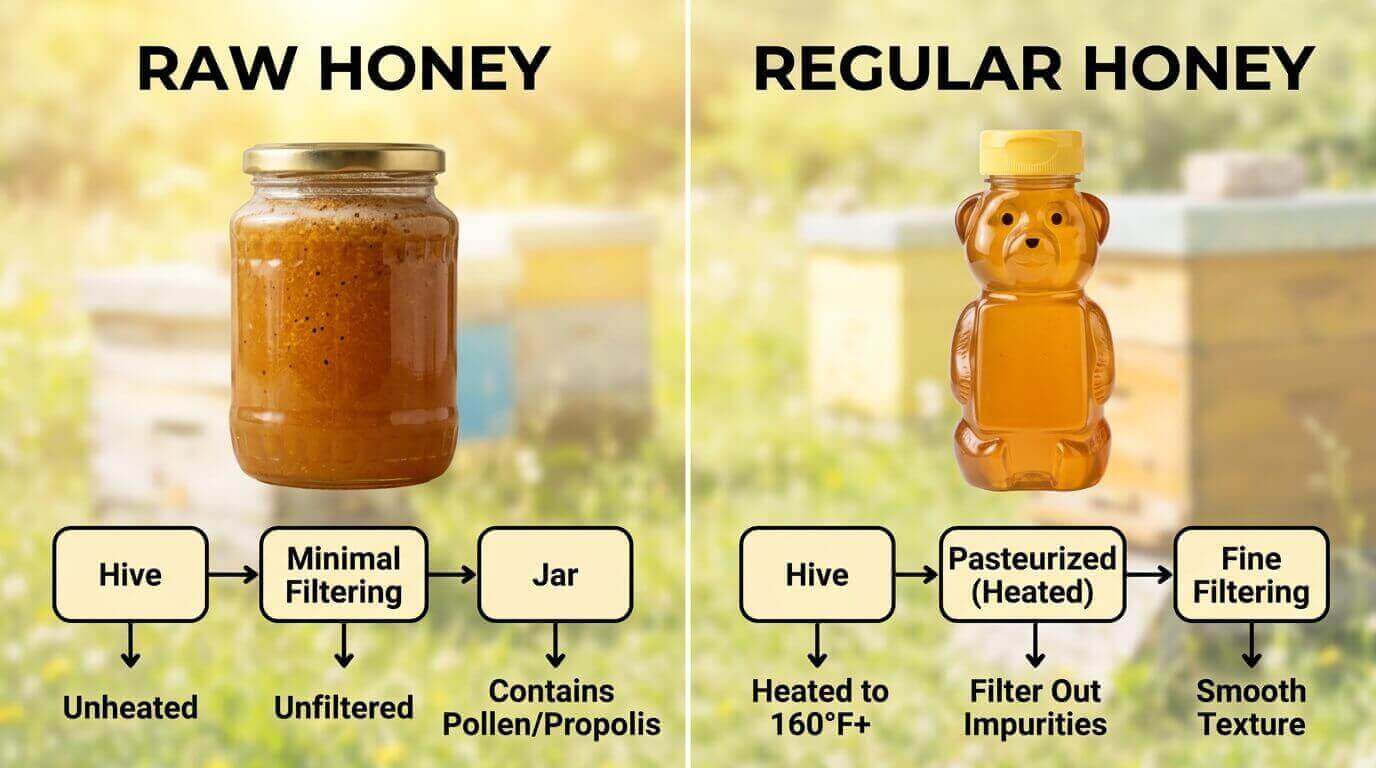
- Honey + turmeric — antibacterial, brightening, reduces pigmentation. Mix one teaspoon of raw honey with a pinch of turmeric. Apply for 15 minutes, then rinse.
- Besan + curd — exfoliates gently, tightens pores, reduces blemishes. Mix two tablespoons of gram flour with plain yoghurt to a paste consistency.
- Aloe vera + rose water — deeply hydrating, soothing for sensitive or sun-exposed skin. Mix equal parts fresh aloe gel and rose water.
- Sandalwood + turmeric + rose water — traditional brightening mask, ideal for dull or uneven skin tone.
Natural Hair Care: What Beauty Tips – Well Health Organic.com Recommends
Hair care tends to get less attention than skincare in most beauty guides, but the principles are identical: feed from within, use gentle products, and lean on natural oils and botanicals that have been trusted for generations.
Oil Massage (Abhyanga for the Scalp)
Regular oil massages using coconut, argan, or castor oil improve circulation and promote hair growth. Combining these with mild, organic shampoos cleanses without removing essential moisture.
Castor oil, in particular, is rich in ricinoleic acid, which has been shown to improve scalp circulation and support hair follicle health. Mix it with a lighter carrier oil like coconut or almond (castor oil alone is too thick to rinse easily) and massage into the scalp 1–2 times a week, leaving it for at least 30 minutes before washing.
Traditional Indian Hair Care Ingredients
- Amla (Indian Gooseberry) — one of the richest natural sources of Vitamin C, strengthens hair roots and helps prevent premature greying. Use as an oil, powder mixed with water, or consume internally for maximum benefit.
- Fenugreek (Methi) paste — soaked overnight, ground into a paste, and applied to the scalp. Addresses dandruff, reduces hair fall, and adds natural shine.
- Neem oil — potent antifungal and antibacterial. Excellent for scalp health, dandruff, and itchiness. Always dilute in a carrier oil before use.
- Bhringraj — an Ayurvedic herb specifically regarded as a hair tonic. Available as an oil or powder. Used consistently, it promotes thickness and reduces hair fall.
Common Mistakes That Undermine Natural Beauty Routines

Knowing what to do is only half the equation. These are the mistakes that quietly prevent people from getting the results they are working toward.
Mistake 1: Expecting results in days rather than weeks. Natural ingredients work gently and cumulatively. Most people see initial improvements in skin texture within 2–4 weeks, and significant changes in clarity and glow within 6–8 weeks. Abandoning a routine after 10 days because it has not delivered a miracle is the most common reason people cycle endlessly through products without finding what works.
Mistake 2: Using too many activities at once. Layering multiple treatment ingredients — acids, Vitamin C, neem, tea tree oil, retinol alternatives — without understanding how they interact is a fast route to irritation and a compromised skin barrier. Introduce one new product or ingredient at a time, wait two weeks, then assess.
Mistake 3: Skipping sunscreen. No amount of turmeric masks or rosehip oil can undo the damage from consistent, unprotected sun exposure. Mineral sunscreen is the single most evidence-backed anti-ageing investment available. Skipping it while using brightening products is counterproductive.
Mistake 4: Assuming “organic” on the label means safe. Blindly purchasing organic products without checking ingredients may introduce hidden chemicals. Focus on high-quality, certified organic skincare to maximise benefits safely.
Not all natural ingredients suit all skin types. Essential oils can be sensitising. Lemon juice applied directly to skin can cause photosensitivity and burns. Always patch test a new ingredient on the inner arm for 24 hours before applying it to your face.
Mistake 5: Treating beauty as purely external. This is the core insight that separates the Well Health Organic approach from conventional beauty advice. Chronic stress, poor sleep, processed food, and dehydration will undermine the most expensive skincare routine available. The internal work is not optional — it is the foundation everything else rests on.
Expert Tips to Elevate Your Organic Beauty Routine
These are the practical, experience-backed tips that make the biggest difference:
Tip 1: Refrigerate your aloe vera gel and rose water toner. Cold application reduces puffiness, tightens pores, and makes toner application more refreshing and consistent. A small bottle in the fridge that you actually use every morning beats a warm bottle you forget half the time.
Tip 2: Eat your skincare. A daily smoothie with organic spinach, berries, flaxseeds, and a squeeze of lemon delivers more Vitamin C, antioxidants, and omega-3s than most supplement stacks — at a fraction of the cost and with the benefit of whole-food bioavailability.
Tip 3: Simplify before you add. If your skin is reacting, congested, or not improving, the answer is rarely to add more products. Strip back to the basics — gentle cleanser, moisturiser, sunscreen — let your barrier heal, and reintroduce carefully.
Tip 4: Use your kitchen as your beauty cabinet. Raw milk with a pinch of turmeric, fresh aloe vera gel, honey with lemon juice, and besan mixed with curd as an exfoliant — these kitchen staples cost very little and are highly effective because they are based on natural balance.
Tip 5: Consistency over complexity. A simple routine applied consistently every day will outperform a sophisticated 12-step routine used irregularly every time. Build a routine you can actually do daily, and do it daily.
Tip 6: Address stress as a beauty issue. Cortisol, the primary stress hormone, breaks down collagen, triggers oil production, and promotes inflammation. Yoga, walking, journaling, or even 10 minutes of quiet breathing daily is not a wellness luxury — it is skincare.
Key Takeaways
The beauty tips promoted by Well Health Organic.com are not complicated, but they do require a shift in perspective: from chasing results with products to building the conditions that produce results naturally.
Here are the principles worth keeping:
- Hydration, nutrition, and sleep are the non-negotiables. No topical product can compensate for their absence.
- Organic ingredients work — but require consistency and patience. Give any new habit or ingredient a minimum of 4–6 weeks before judging.
- Your kitchen already contains most of what you need. Turmeric, honey, aloe vera, coconut oil, besan, rose water — these are not exotic. They are affordable, effective, and time-tested.
- Sunscreen is the most important product in any routine. Use it every day, regardless of weather or season.
- Simplify before adding. A calm, minimal routine on a healthy barrier outperforms a complex routine on a compromised one.
- Inner health drives outer beauty. Diet, sleep, stress, and hydration are not separate from your beauty routine — they are its foundation.
The approach that Beauty Tips – Well Health Organic.com champions is ultimately a long-term investment, not a quick fix. But the results it produces — skin that is genuinely healthy rather than merely managed, hair that grows from a well-nourished scalp, a glow that comes from the inside rather than the bottle — are the kind that last. Start with one change this week. The rest will follow.