Introduction
Few things are more heartbreaking for a parent than the sound of their child coughing in the middle of the night. That harsh, hacking sound echoing through the hallway at 2:00 AM makes you feel completely helpless. Your first instinct is usually to rush to the medicine cabinet to find the most effective cough syrup for kids to help them—and you—get some much-needed sleep. But before you pour that dose, it is vital to pause and take a breath.
Coughing is actually a healthy, protective reflex. It is your child’s body working hard to clear their airways of mucus, dust, or other irritants. While it is certainly annoying and disruptive, it is rarely a reason to panic. Understanding how to manage these coughs safely, knowing when a medicine is appropriate, and recognizing when you should simply skip the syrup and use home remedies is an essential skill for every parent.
Why Kids Get Coughs
Children, especially those in daycare or school, are magnets for germs. A child’s immune system is still developing, which means they catch colds much more frequently than adults. Most coughs in children are caused by common viral upper respiratory infections. When a child catches a cold, their nose produces extra mucus. This mucus drips down the back of the throat—a phenomenon known as post-nasal drip—and tickles the sensitive tissues there, triggering the cough reflex.
Sometimes, the infection also causes inflammation in the airways, making them narrower and more sensitive, which also leads to coughing. While it is frustrating to deal with a child who can’t stop clearing their throat, it is important to remember that these illnesses are usually self-limiting and part of building a stronger immune system for the future.
The Truth About Cough Syrup for Kids

The marketplace for over-the-counter medication is vast and confusing. You will see shelves lined with brightly colored bottles promising to suppress coughs, loosen mucus, and stop runny noses all at once. However, the medical consensus has shifted significantly regarding cough syrup for kids. In recent years, pediatricians and health organizations have largely discouraged the use of over-the-counter cough and cold medicines for children under the age of four, and even for older children, the evidence for their effectiveness is often underwhelming.
These medicines are often combinations of several drugs, and giving them to a young child can lead to accidental overdosing or unpleasant side effects like hyperactivity, drowsiness, or even rapid heart rate. Because of these risks and the limited benefit, many experts now advise focusing on natural, gentle ways to soothe the throat rather than relying on chemical suppressants.
Understanding the Different Types of Coughs
Not all coughs are created equal, and knowing what you are dealing with can change how you approach treatment. A “wet” or “productive” cough brings up mucus or phlegm. This is the body’s way of cleaning house, and generally, you should not try to stop this type of cough because the body needs to get that gunk out. A “dry” or “non-productive” cough, on the other hand, is usually tickly, raspy, and produces nothing.
This type of cough often comes from irritation rather than mucus buildup, and it is usually the one that keeps kids awake at night. Recognizing this difference is important because it changes the goal of your care: for a wet cough, you want to help the child clear the mucus, while for a dry cough, your goal is simply to calm the throat irritation to allow for rest.
Dry vs. Wet Coughs
If your child has a wet cough, the most important thing you can do is ensure they stay hydrated. Fluids help thin the mucus, making it much easier for your child to cough it up and clear their lungs. You might see the cough get a little bit more intense after they drink plenty of water or juice, but that is actually a good sign—it means the system is flushing. If the cough is dry, focus on soothing the throat tissue.
Warm liquids or even just a humidifier can do wonders. Don’t be tempted to use a strong suppressant for a wet cough, as you don’t want that mucus sitting in the lungs; you want it out.
When Should You Use Medicine?
You should only consider using any form of medication for your child after you have consulted with a healthcare professional. If your child is older than four or six—depending on the specific guidelines provided by your doctor—and they are having a cough that is truly preventing them from getting any sleep at all, your pediatrician might suggest a specific, age-appropriate product. The key here is to look for single-ingredient medications if possible.
Many parents make the mistake of buying multi-symptom relief medicines that contain decongestants, antihistamines, and cough suppressants all in one. Giving a child too many active ingredients at once increases the risk of side effects, and it often means you are giving them medicine for symptoms they don’t even have. Stick to the simplest option that targets the specific problem.
Safety Precautions Before Buying
Before you even step into the pharmacy, look at the label of any cough syrup for kids you are considering. The most important number on that bottle isn’t the price or the flavor; it is the age recommendation.
Always follow the guidelines set by the manufacturer or your doctor. If a bottle says “for children 6 and older,” do not assume it is safe for your 4-year-old just because you lower the dose. Dosages for children aren’t just about weight; they are about how the child’s body metabolizes the medicine. Furthermore, check the expiration date. It sounds basic, but many of us have bottles in our cabinets that have been there for three years.
Medicine loses its potency over time and can occasionally develop different chemical properties, so if you aren’t sure how long it has been in your cupboard, throw it out.
Checking Age Restrictions
Never guess when it comes to dosing. Use only the measuring device that comes with the medicine—a kitchen spoon is not accurate and can lead to a dosage that is either too weak or dangerously high. If the bottle doesn’t come with a specific dropper or syringe, ask your pharmacist for one. They are usually free or very cheap, and they ensure you are giving the precise milliliter amount recommended. Being off by even a small amount can make a big difference in a small child’s system.
Ingredients to Watch Out For
There are certain ingredients commonly found in adult cold medicines that are strictly off-limits for children. Codeine, for instance, is a narcotic suppressant that was once common in cough syrups but is now heavily restricted and often contraindicated for children because of the risk of severe respiratory depression.
Dextromethorphan is a common suppressant, but it can cause significant issues if a child ingests too much. As a general rule, avoid any medicine that contains alcohol or high levels of artificial dyes if your child has sensitivities.
If you see a long, complicated list of chemicals on the back of the bottle, take a picture and show it to your doctor or pharmacist before giving it to your child. They can translate the ingredient list and tell you if it is safe.
Decongestants and Antihistamines
Be very wary of decongestants like pseudoephedrine or phenylephrine in children’s products. These are stimulants that can make a child jittery, wide-awake, and irritable, which is the exact opposite of what you want when they are already sick and cranky.
Antihistamines, which are designed to stop runny noses, can sometimes cause paradoxical reactions in children, making them hyperactive instead of drowsy. Because these ingredients don’t treat the cough itself and come with a host of side effects, most pediatricians recommend avoiding them unless they are treating a very specific allergy.
The Role of Honey as a Natural Soother
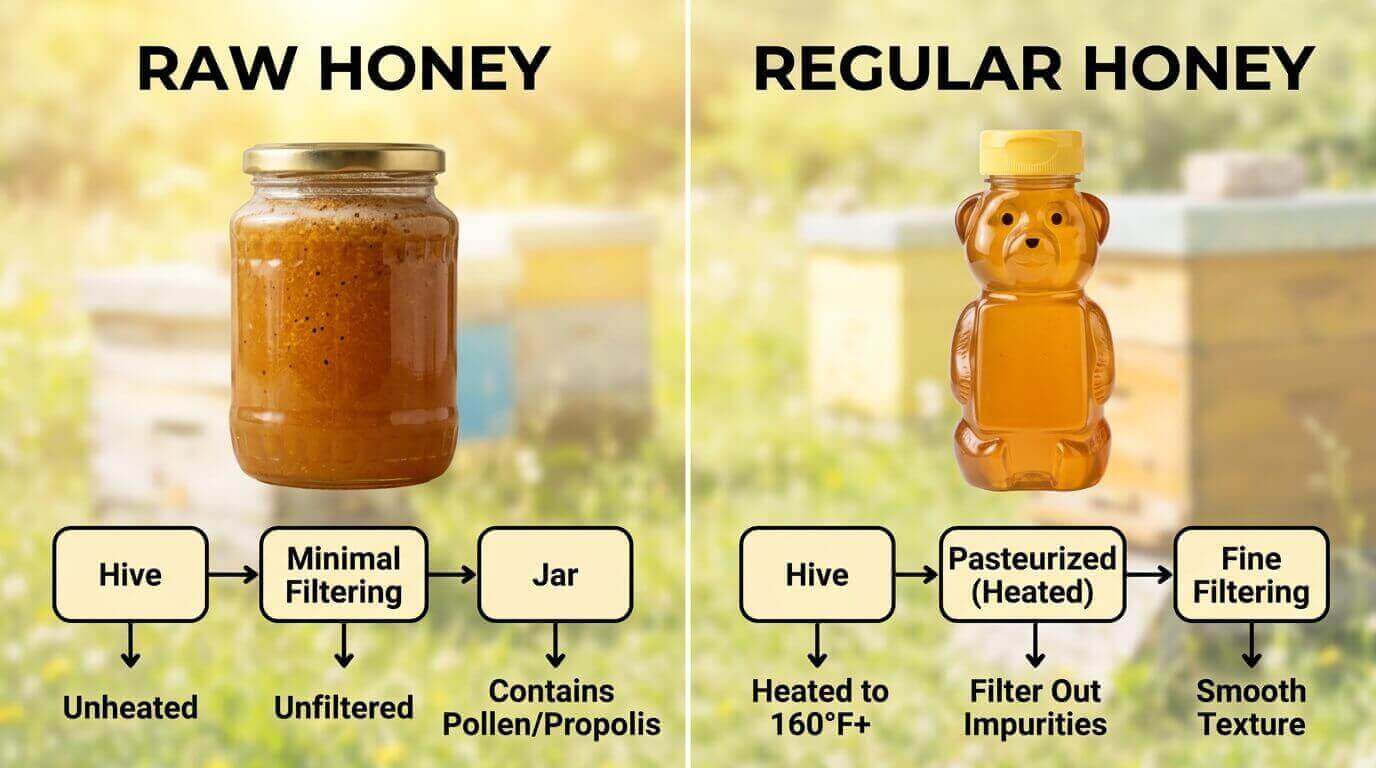
If your child is over the age of one, honey is arguably the best cough syrup for kids you will ever find. Several studies have shown that a small spoonful of honey can be more effective at soothing a cough and promoting better sleep than over-the-counter cough suppressants. Honey is viscous and sweet; when a child swallows it, it coats the throat, calming the nerves that trigger the cough reflex. It also has mild antibacterial properties.
However, there is one very strict rule: never give honey to a child under 12 months old. Honey can contain spores of a bacterium that causes infant botulism, which is a life-threatening illness for babies. Once a child turns one, their digestive system is mature enough to handle these spores safely, and honey becomes a wonderful pantry remedy.
How to Measure Doses Correctly
Precision is key. As mentioned before, the best tool is the one that comes with the medicine. If you are using a syringe, double-check the markings. It is very easy to confuse tablespoons and teaspoons or milliliters when you are exhausted and trying to care for a sick child at night. Some parents find it helpful to write down the time and the dosage on a piece of paper taped to the bottle.
This prevents the “did I already give them the dose?” confusion that happens when parents are trading off responsibilities. Always keep the medicine in its original packaging so you can refer back to the instructions and the active ingredients list whenever you need to.
Home Remedies Beyond the Bottle
Before reaching for the medicine, try the simple, time-tested home remedies that have been used for generations. These methods support the body’s natural healing process without the risk of side effects.
Using a Humidifier
The air in our homes, especially during winter when heaters are running, is often very dry. Dry air irritates the throat and dries out the mucus membranes, making a cough feel much sharper and more painful. A cool-mist humidifier adds moisture to the air, which helps to loosen the mucus in the child’s chest and makes their throat feel less “scratchy.”
Make sure to clean the humidifier regularly, as it can grow mold if left stagnant. If you don’t have a humidifier, you can achieve a similar effect by sitting in the bathroom with the shower running hot to create a steam-filled room for ten minutes before bedtime.
Hydration is Key
Water, warm apple juice, or even a caffeine-free herbal tea can do wonders. Fluids help keep the throat moist and thin the mucus. If your child is very young, continue with breast milk or formula.
If they are older, encourage them to drink small amounts frequently throughout the day. You don’t need them to chug a whole glass; just taking a few sips every half-hour is enough to make a difference. Avoid drinks that are high in sugar, as they can sometimes make a child feel a bit more phlegmy or cause a tummy ache on top of the cough.
Recognizing Warning Signs

Sometimes a cough is just a cold, but other times it can be a symptom of something that requires medical intervention. Watch your child’s breathing carefully. If they are breathing very fast, if you see the skin between their ribs or at the base of their throat “sucking in” with every breath—a sign known as retractions—this is a medical emergency.
Other signs of distress include wheezing (a high-pitched whistling sound), a fever that stays high for several days, or a cough that causes the child to turn blue or pale around the lips. A cough that produces yellow or green mucus is sometimes just part of a viral cold, but if it is accompanied by a high fever and the child looks very lethargic, it could be the start of a bacterial infection like pneumonia.
When to Call the Pediatrician
It is always better to be safe and sorry. Don’t hesitate to call your pediatrician’s office if you are worried. You know your child better than anyone else. If your “parent radar” is going off, trust it. You should call the doctor if the cough lasts longer than ten days, if it keeps the child awake for multiple nights in a row, or if the child seems unusually tired or unresponsive.
Even if the cough is “just a cold,” the pediatrician can offer guidance on how to make your child more comfortable or verify if the symptoms have changed into something else that needs treatment, like an ear infection or bronchitis.
Avoiding Common Parenting Mistakes
The biggest mistake is panic. We want to stop the cough instantly, but remember that the cough is doing work. Another mistake is using leftover antibiotics from a previous illness.
Antibiotics only treat bacterial infections; they do absolutely nothing for the viruses that cause 90% of coughs. Using them incorrectly not only fails to treat the child but also contributes to antibiotic resistance, which makes future, more serious infections harder to treat. Also, resist the urge to bundle your child in too many blankets if they have a fever. While you want them to be comfortable, you don’t want them to overheat. Keep them in light layers and monitor their comfort level.
Final Thoughts
At the end of the day, a cough is usually just a temporary, annoying hurdle in your child’s development. They are building their immune system, and unfortunately, that process involves a fair amount of sneezing, sniffling, and coughing. Your role is not to “cure” the cough, but to comfort the child. Focus on the basics: sleep, fluids, a little bit of honey (if they are over one), and plenty of cuddles.
While the idea of a miracle cough syrup for kids is tempting, the real relief usually comes from time, patience, and good old-fashioned home care. You are doing a great job, and this, too, shall pass. Before you know it, they will be back to their normal, energetic selves, and you will get a full night’s sleep once again.
Managing a cough in your little one is rarely about the medicine you use; it is mostly about the care you provide. By focusing on safety, understanding your child’s symptoms, and prioritizing natural soothing methods, you can help your child feel better without unnecessary risks.
Keep things simple, stay in touch with your pediatrician, and remember that your calm presence is the best medicine your child can receive.