Introduction
Most people struggle with areas of their body that refuse to change, no matter how hard they train. You eat clean and lift weights, yet stubborn pockets of fat remain stubbornly intact. This frustration is common among individuals who have reached a healthy weight but lack definition. Standard fitness routines target muscle growth but rarely eliminate deep-seated adipose tissue effectively. This gap is where modern aesthetic medicine steps in to bridge the divide between effort and result.
This guide covers the essential aspects of body contouring for anyone considering cosmetic improvement. We will explore how these treatments function differently from surgery or traditional dieting. Understanding the scope helps you make informed choices about your physical appearance. Safety and realistic expectations form the core of this discussion throughout. You deserve clarity before investing money and trust in a procedure.
Understanding What Body Contouring Really Means

Body contouring refers to procedures designed to improve the shape of your body rather than just reducing weight. It focuses on sculpting specific areas like the abdomen, thighs, or arms. Traditional weight loss methods often leave excess skin behind after significant drops in mass. These treatments target both fat reduction and skin tightening simultaneously.
The goal is aesthetic refinement rather than health metrics like BMI. Many patients undergo bariatric surgery first and then require contouring to remove hanging skin. Genetics often dictate where our bodies store fat despite overall slimming efforts. Addressing these stubborn zones requires a specialized approach beyond calorie counting.
Fat Cells vs. Weight Loss
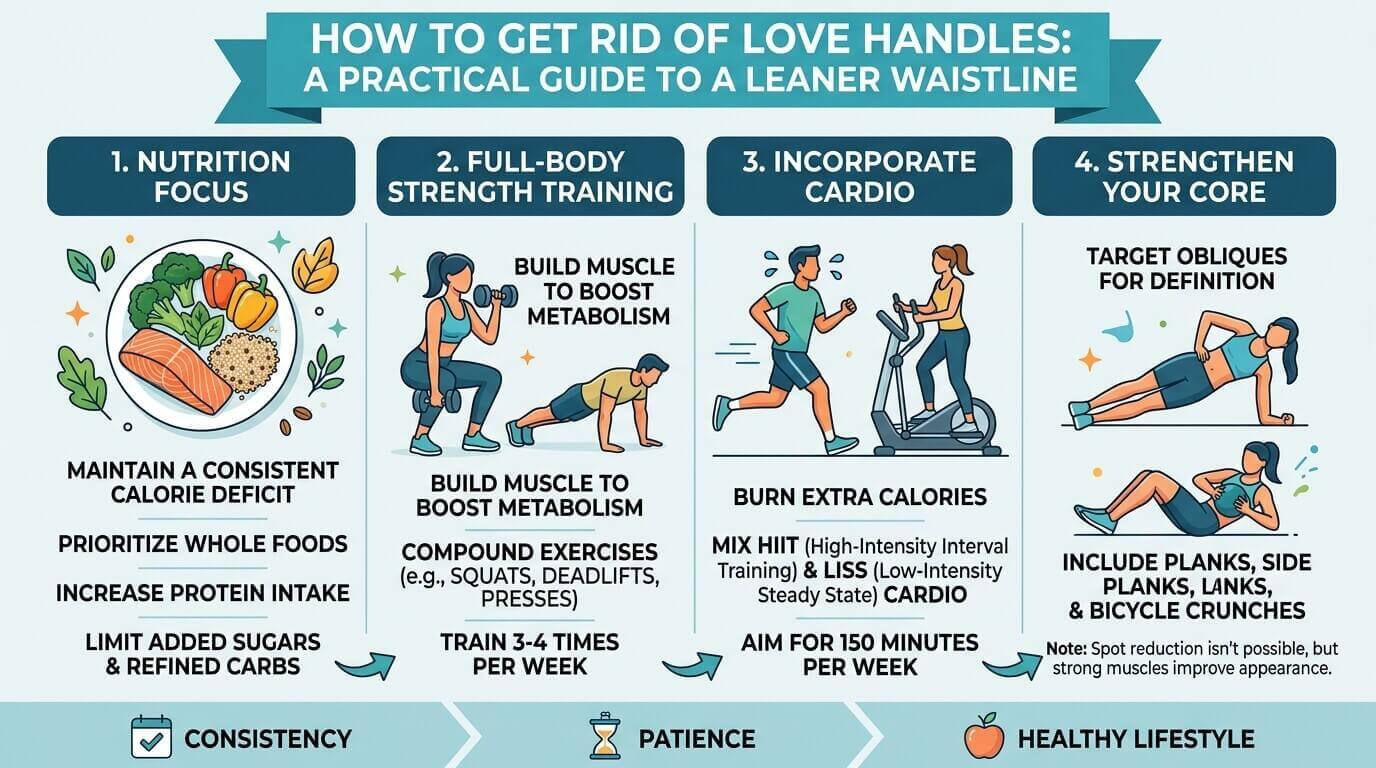
Adipose tissue behaves differently depending on its location in the body. Belly fat might vanish with cardio, while love handles often resist all efforts. This resistance occurs because certain cells have receptors that block breakdown signals. Contouring physically disrupts or removes these specific resistant fat deposits. This distinction explains why some people look lean but still appear unshaped.
Weight loss reduces cell size, whereas contouring can reduce cell count. Removing the cells means they cannot come back to store fat again permanently. However, remaining cells can still grow if you gain significant weight later. Maintenance through lifestyle habits remains necessary after the treatment concludes.
Who Is the Ideal Candidate?
Good candidates maintain a stable weight close to their ideal goal already. People seeking to lose fifty pounds should focus on diet before considering procedures. The treatment works best on those within twenty percent of their target weight. Health issues like diabetes or heart disease require medical clearance before starting. A consultation ensures your body is ready for the stress of intervention.
Age plays a role in skin elasticity and healing potential. Younger patients often heal faster due to better collagen production rates. Older adults may prefer treatments that tighten skin over those that only remove fat. Skin laxity determines whether you need surgical excision or laser energy alone. Honest self-assessment leads to higher satisfaction with outcomes.
Exploring the Different Treatment Options
Technology has expanded rapidly in this field over the last decade. Patients now choose between invasive surgery or painless office visits. Each option offers distinct benefits regarding downtime and immediate impact. Knowing the differences allows you to align choices with your personal schedule.
Some methods require anesthesia and hospital stays for safety reasons. Others allow you to walk out of the clinic immediately after finishing. The decision often depends on the volume of fat removal needed. Small spots respond well to cooling technology, while large areas need liposuction.
Surgical Procedures Like Liposuction
Liposuction remains the gold standard for removing larger volumes of fat quickly. It involves small incisions where a cannula suctions out unwanted tissue under anesthesia. Recovery takes weeks, involving compression garments and limited activity. This method provides immediate visual changes that other treatments cannot match.
Scars are minimal but permanent marks that will fade over time. Swelling is expected for several months as the body settles into its new shape. Results are generally considered permanent since fat cells do not regenerate in those areas. Surgeons remove deep layers to prevent rippling and create smooth transitions.
Non-Invasive Technologies
Non-surgical options use cold, heat, or sound waves to break down fat cells safely. Cryolipolysis freezes fat cells until they naturally die off over months. Radiofrequency heats tissue to stimulate collagen for skin tightening effects. These procedures have zero downtime compared to surgical alternatives.
You might notice subtle changes after one session instead of dramatic transformations. Multiple appointments are often needed to reach your desired contour level. Insurance does not cover these elective procedures in most cases. Out-of-pocket costs accumulate but are spread out over time.
| Feature | Liposuction | CoolSculpting | Radiofrequency |
|---|---|---|---|
| Downtime | Weeks | None | None |
| Result Speed | Immediate | Months | Gradual |
| Pain Level | Moderate | Mild | Minimal |
| Cost | High | Medium | Medium |
The Journey From Consultation to Results
Success relies heavily on the path you take leading up to the procedure. Skipping steps causes confusion and increases the risk of complications significantly. Follow a structured timeline to ensure your mind and body are prepared correctly. Communication with your provider builds trust throughout the entire experience.
Preparation begins weeks before the actual treatment date arrives. Hydration and nutrition support optimal healing capabilities during recovery phases. Mental readiness is just as crucial as physical preparation for patient satisfaction. Reviewing before and after photos sets realistic benchmarks for expectation.
Preparing Your Body for Change
Stop smoking at least four weeks before reduce complication risks. Nicotine constricts blood vessels and impairs wound healing efficiency. Blood thinning medications like aspirin may need to be paused temporarily. Always disclose prescription drugs to your surgeon for safe management.
Build a support system to help you during the initial recovery period. Arrange rides home if anesthesia was involved on procedure day. Stock your home with easy meals so you do not have to cook. Having help available prevents unnecessary strain on your healing tissues.
Navigating Recovery Periods
Compression garments must be worn continuously for the specified duration. They reduce swelling and help the skin adhere to underlying contours tightly. Shower restrictions vary based on incision sites closed with sutures or glue. Follow cleaning instructions meticulously to prevent infection during healing.
Return to light walking daily to promote circulation and clot prevention. Avoid heavy lifting or intense cardio for six weeks minimum. Listen to your body when pain levels rise unexpectedly. Rest when needed instead of pushing through discomfort prematurely.
Evaluating Risks and Realistic Expectations
Every medical procedure carries inherent risks regardless of complexity. Understanding these possibilities protects you from false promises made by marketing materials. Full transparency from providers ensures you sign informed consent documents knowingly. Ignoring risks leads to avoidable regret and financial loss later.
Results are not guaranteed even when following all instructions perfectly. Biological responses vary widely between different individuals and genetics. Some healing processes take longer than others predictably. Patience is required while waiting for outcomes to stabilize fully.
Common Myths to Avoid
Myth One claims that losing weight post-treatment reverses results entirely. While the remaining cells grow, the treated area loses bulk capacity. Myth Two suggests fat returns exactly where it was removed initially. New fat tends to accumulate in untreated areas like the upper back. Myth Three assumes everyone heals at the same speed without complications.
Donors warn against choosing prices lower than the market average. Cheaper providers often cut corners on sterilization or technique quality. Experience trumps budget savings when dealing with your own anatomy. Invest in safety rather than chasing the lowest advertised rate online.
Selecting the Right Provider
Board certification indicates specialized training in plastic surgery standards. Check credentials with local medical boards before booking appointments. Ask to see before and after portfolios specific to your concern area. Look for consistent lighting and angles in shared images for accuracy.
Read reviews regarding bedside manner and communication styles specifically. Poor communication often leads to misunderstandings about care instructions. A comfortable relationship fosters honesty during consultations. Ensure you feel heard rather than rushed into signing paperwork.
Comparing Costs and Long-Term Value

Financial planning is essential given the high price tags associated with these surgeries. Total costs include facility fees, anesthesia, and surgeon charges combined. Hidden costs arise from garments, prescriptions, and follow-up visits afterward. Budgeting conservatively prevents financial stress during the recovery window.
Non-invasive treatments usually cost less per session but require repetition. Surgical options cost more upfront but provide permanent structural change. Calculate the total investment over five years for fairness. Long-term value often favors surgical methods for major contouring needs.
Insurance rarely covers cosmetic improvements unless functional problems exist. Reconstructive surgeries following accidents sometimes qualify for coverage. Check with your carrier regarding policies for medical necessity criteria. Private financing plans offer monthly payment options to ease burden loads.
Expert Tips for Maximizing Satisfaction
Experience teaches us that patience yields the best aesthetic results eventually. Rushing decisions often leads to revisions that could have been avoided initially. Take time to research different surgeons before committing to a specific plan. Trust your instincts if a consultation feels uncomfortable or dismissive.
Nutrition supports collagen synthesis for better skin retraction over treated zones. Protein intake helps repair tissues damaged during the healing process. Stay hydrated to flush toxins and support metabolic functions actively. Vitamin C supplements aid in wound closure and scar minimization naturally.
Avoid sun exposure on fresh scars for at least six months to prevent darkening. Sunscreen application creates a barrier against UV damage during outdoor activities. Darker skin tones require extra care to avoid hyperpigmentation issues easily. Consistency in protection maintains clear skin appearance after fading occurs.
Social media filters distort reality and create unrealistic standards constantly. Remember that cameras distort proportions just like gravity affects soft tissue. Compare yourself to your pre-treatment state rather than influencers online. Authentic confidence comes from health improvements rather than pixel-perfect edits.
Final Thoughts on Achieving Your Goals
Body contouring is a powerful tool for enhancing your natural silhouette effectively. It complements a healthy lifestyle rather than replacing disciplined habits entirely. Success depends on finding qualified experts who prioritize your safety above profit. Education empowers you to ask the right questions during consultations.
Realistic expectations form the foundation for lasting satisfaction with results. Celebrate the progress made rather than fixating on minor imperfections. Embrace the journey of becoming the best version of yourself physically. Confidence grows when you respect the work invested into your transformation.
Choosing this path requires courage and commitment to the process ahead. Plan carefully, research thoroughly, and move forward with clear eyes. Your dedication to learning leads to smarter decisions for your future. Enjoy the freedom that comes with feeling comfortable in your own skin.