Introduction
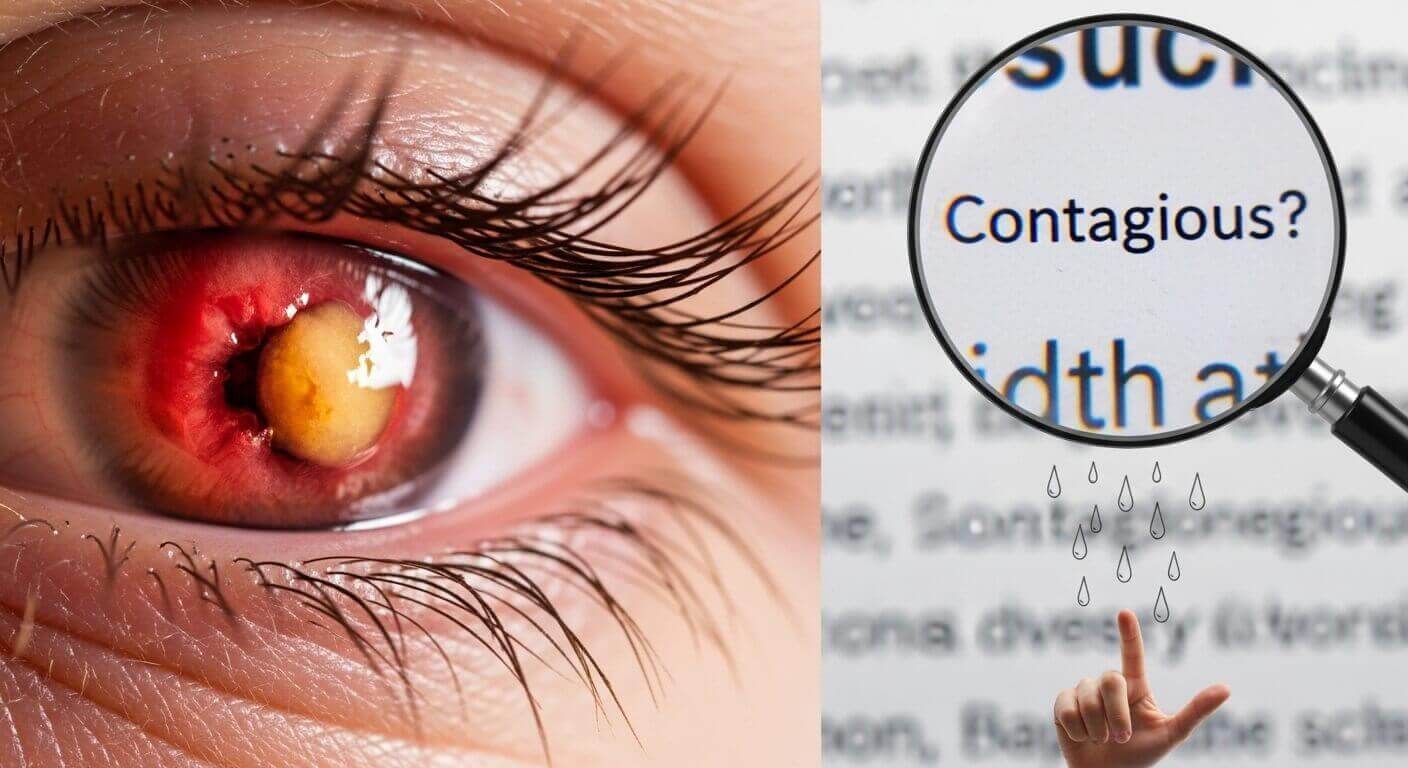
You wake up, look in the mirror, and there it is—a painful red bump on your eyelid that definitely wasn’t there yesterday. Your first thought? “Great, I have a stye.” Your second thought? “Can I give this to my kids, partner, or coworkers?”
It’s a legitimate concern, especially if you work with children, share makeup with friends, or live in close quarters with family. The last thing you want is to spread an eye infection to the people around you.
Here’s the good news: styes themselves Are Styes Contagious in the way most people think. But—and this is important—the bacteria that cause them can spread under certain conditions. Understanding this distinction could save you and your loved ones from unnecessary worry or, conversely, from risky behaviors that could spread infection.
Let’s dive into everything you need to know about styes, contagion, and how to protect yourself and others while dealing with this annoying eye condition.
What Exactly Is a Stye?

Before we tackle the contagion question, you need to understand what a stye actually is. This matters because people often confuse styes with other eye conditions that have different contagion risks.
The Medical Definition
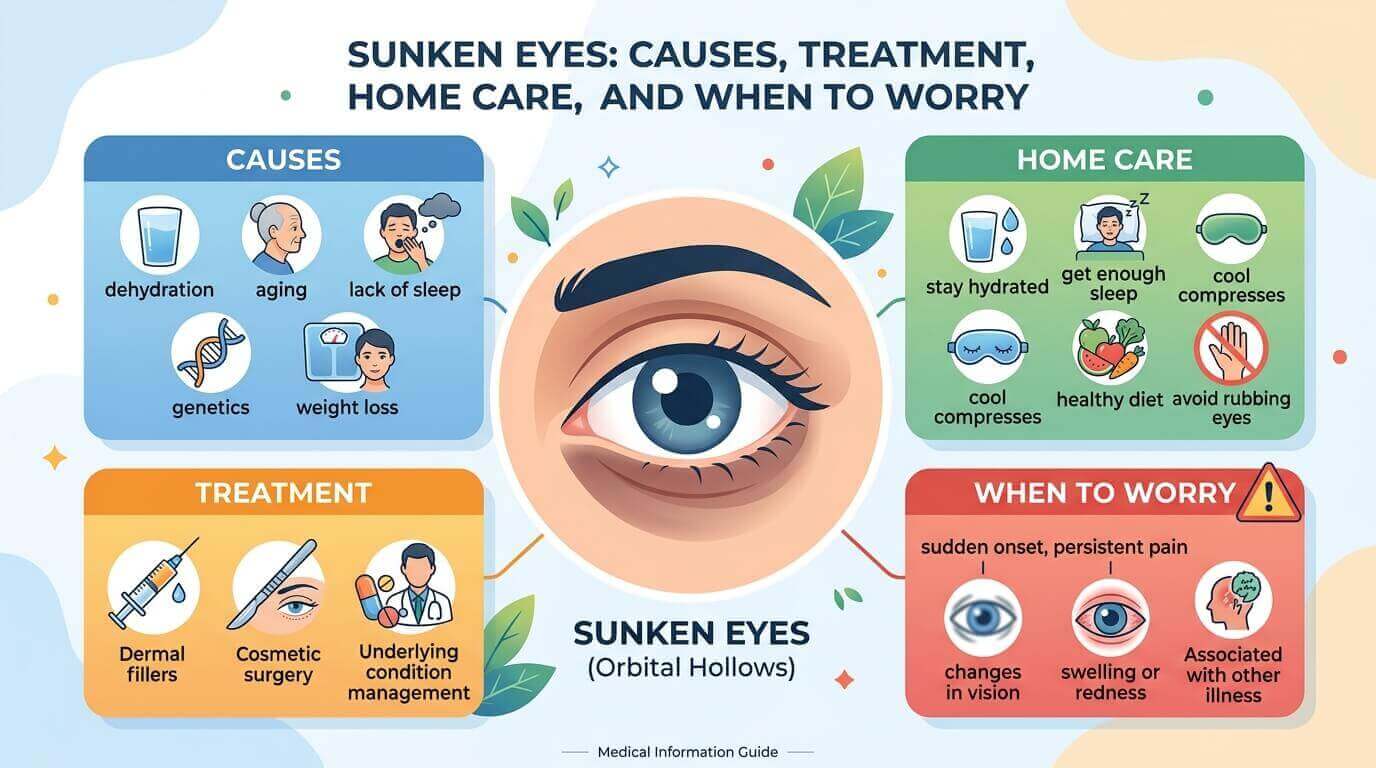
A stye (also called a hordeolum) is a red, painful bump that forms on the edge of your eyelid. It looks remarkably similar to a pimple and forms for similar reasons—a blocked oil gland or hair follicle becomes infected with bacteria.
Most styes are caused by Staphylococcus aureus bacteria, which normally live on your skin without causing problems. When these bacteria get trapped in an eyelid gland, they multiply and create an infection, resulting in that telltale painful lump.
Two Types of Styes You Should Know
External styes form on the outside edge of your eyelid, usually at the base of an eyelash. These are what most people picture when they think of a stye—they’re visible, red, and often have a yellowish head like a pimple.
Internal styes develop on the inside of your eyelid, affecting the meibomian glands deeper within the eyelid tissue. These can be more painful than external styes because they’re pressing against more sensitive tissue. They’re also harder to see unless you flip your eyelid.
Both types cause similar symptoms: pain, swelling, tenderness, and sometimes tearing or light sensitivity. But understanding the difference helps you communicate clearly with your doctor.
How Styes Differ From Other Eye Conditions
People often mistake styes for chalazia (plural of chalazion), which are also eyelid bumps. But chalazia are blocked oil glands without infection—they’re typically painless and don’t have the redness and tenderness of a stye.
Pink eye (conjunctivitis) is another condition people confuse with styes. Pink eye affects the conjunctiva (the clear covering of your eye) and makes the white part of your eye look pink or red. Unlike styes, pink eye IS highly Are Styes Contagious and requires different treatment.
The Straight Answer: Are Styes Contagious?
Now for the question you’re really here to answer. Let’s break this down clearly.
The Short Answer
No, you cannot “catch” a stye directly from someone else. Styes are not contagious in the traditional sense—you won’t develop a stye simply by being near someone who has one, talking to them, or even touching them.
A stye is essentially a localized infection in a specific gland on your eyelid. It’s similar to having a pimple on your face—you can’t catch someone’s pimple by standing next to them.
The Important Caveat
Here’s where it gets slightly more complicated. While the stye itself isn’t contagious, the bacteria causing the stye CAN spread under specific circumstances.
If someone with a stye touches their infected eye and then touches you, shares towels with you, or shares eye makeup with you, those bacteria can transfer. Whether you develop a stye depends on whether those bacteria find their way into one of your eyelid glands and whether conditions are right for infection.
Think of it this way: the stye is like a house fire. The fire itself won’t jump to another house, but sparks (bacteria) can potentially ignite a new fire elsewhere if conditions are right.
What the Research Shows
Studies indicate that Staphylococcus aureus bacteria colonize the skin of about 20-30% of healthy people without causing problems. This means you might already carry the same bacteria that cause styes.
Most stye infections happen when your own bacteria get into places they shouldn’t be, not from catching bacteria from others. Poor eyelid hygiene, touching your eyes with dirty hands, or wearing old makeup create opportunities for your own bacteria to cause infection.
How Stye Bacteria Can Spread (Even Though Styes Aren’t Contagious)
Understanding transmission routes helps you protect yourself and others. Here’s how bacteria can potentially spread.
Direct Contact Transmission
The most obvious route is touching someone’s infected eye or the drainage from a stye, then touching your own eyes. This is particularly relevant for parents caring for children with styes or healthcare workers.
The bacteria from the stye can transfer to your hands. If you then touch your own eyes before washing your hands, you introduce those bacteria to your eyelids where they might cause an infection.
Shared Personal Items: The Real Culprit
This is where most bacterial transmission happens. Sharing items that touch the eye area creates a direct pathway for bacteria to spread.
High-risk items include:
- Eye makeup (mascara, eyeliner, eyeshadow)
- Makeup brushes and applicators
- Towels and washcloths
- Pillowcases
- Contact lenses or contact lens cases
- Eyeglasses (especially the nose pads and temples)
- False eyelashes
When someone with a stye uses these items, bacteria transfer to the surface. The next person using that item can pick up those bacteria and introduce them to their own eyes.
Household Transmission Scenarios
Let’s get practical. Here are real-world situations where bacterial spread might occur:
Scenario 1: Your child has a stye and keeps rubbing their eye. You wipe their face with a washcloth, then use the same cloth on your own face later. Bacteria transfer.
Scenario 2: You have a stye and apply your eye makeup. Your friend borrows your mascara the next day. Bacteria transfer.
Scenario 3: Someone with a stye sleeps on a pillowcase, and you use the same unwashed pillowcase. Bacteria transfer.
These scenarios explain why styes sometimes seem to “spread” within households, even though they’re not technically contagious.
Who’s Most at Risk for Developing Styes?
Some people are more susceptible to styes than others, regardless of bacterial exposure. Understanding your risk factors helps you take appropriate precautions.
People With Chronic Eye Conditions
Blepharitis (chronic eyelid inflammation) is the number one risk factor for recurrent styes. If you have blepharitis, your eyelids are already inflamed, and your oil glands aren’t functioning properly, making infection more likely.
Rosacea is another condition associated with increased stye risk. The inflammation and skin changes associated with rosacea affect your eyelids too.
Dry eye disease contributes to stye formation because your oil glands aren’t working properly, creating opportunities for blockages and infections.
Lifestyle and Hygiene Factors
People who wear eye makeup daily have a higher sty risk, especially if they:
- Don’t remove makeup before bed
- Use old, expired makeup
- Share makeup with others
- Don’t clean makeup brushes regularly
Contact lens wearers also face increased risk, particularly if they don’t follow proper hygiene practices like washing hands before insertion or replacing lenses on schedule.
Stress and Immune System Status
Chronic stress, poor sleep, and compromised immune function all increase your susceptibility to infections, including styes. When your immune system is taxed, the bacteria normally living harmlessly on your skin are more likely to cause problems.
People with diabetes have a higher risk of infection overall, including styes. High blood sugar creates an environment where bacteria thrive.
How to Treat a Stye Safely (Without Spreading Bacteria)
If you currently have a stye, your treatment approach should minimize bacterial spread while promoting healing.
The Gold Standard: Warm Compresses
Warm compresses are the most effective home treatment for styes. The warmth increases blood flow, helps the stye drain naturally, and speeds healing.
Proper technique:
- Wash your hands thoroughly with soap and water
- Soak a clean washcloth in warm (not hot) water
- Wring out excess water
- Close your eyes and apply the warm cloth to your eyelid
- Hold for 10-15 minutes
- Repeat 3-4 times daily
- Important: Use a fresh, clean washcloth each time or designate one washcloth for this purpose and wash it in hot water after each use
This last step is crucial for preventing bacterial spread within your household.
Hygiene Practices While Treating Your Stye
Do:
- Wash your hands before and after touching your eye area
- Use disposable cotton pads instead of reusable cloths when possible
- Throw away any eye makeup you were using when the stye developed
- Change your pillowcase daily during active infection
- Clean your eyeglasses daily with antibacterial soap
Don’t:
- Squeeze or pop the stye (this can spread infection deeper)
- Wear eye makeup until the stye completely resolves
- Wear contact lenses until the stye heals
- Share towels, washcloths, or pillows with others
- Touch or rub your eye excessively
Over-the-Counter Treatments
Lid scrubs containing diluted baby shampoo or specialized lid cleansers help keep your eyelid clean and prevent bacterial buildup. Use these gently along your lash line once or twice daily.
Antibiotic ointments available over-the-counter (like those containing bacitracin) can be applied to the outside of your eyelid, but check with your doctor first. Never put regular antibiotic ointment inside your eye unless specifically formulated for ophthalmic use.
Pain relievers like ibuprofen or acetaminophen can reduce discomfort and inflammation while you’re treating the stye.
When to See a Doctor
Most styes resolve on their own within 7-10 days with home treatment. However, seek medical attention if:
- The stye doesn’t improving after a week of home treatment
- The sty gets significantly larger or more painful
- Your vision becomes affected
- The redness spreads to your cheek or other areas of your face
- You develop a fever
- You get recurrent styes (more than 2-3 per year)
- The entire eyelid becomes swollen
Your doctor might prescribe antibiotic ointments, oral antibiotics for severe cases, or perform an in-office drainage procedure for stubborn styes.
Prevention Strategies: Stop Styes Before They Start
Prevention is always better than treatment. These strategies dramatically reduce your stye risk.
Daily Eyelid Hygiene
Make eyelid cleaning part of your routine, especially if you’re prone to styes. This removes bacteria, oil, and debris before they can cause problems.
Simple daily routine:
- Wash your hands thoroughly
- Use a gentle, tear-free cleanser or specialized lid scrub
- Close your eyes and gently massage the cleanser along your lash line
- Rinse thoroughly with warm water
- Pat dry with a clean towel
This takes less than two minutes but makes a significant difference in preventing styes.
Smart Makeup Hygiene
If you wear eye makeup, these practices are non-negotiable:
Replace makeup regularly:
- Mascara: Every 3 months
- Liquid eyeliner: Every 3-6 months
- Pencil eyeliner: Every 2 years
- Eyeshadow: Every 2 years
Never, ever:
- Share eye makeup with anyone
- Use testers at makeup counters directly on your eyes
- Sleep in your eye makeup
- Apply makeup to the inner rim of your eyelid (waterline)
Always:
- Remove all eye makeup before bed
- Wash makeup brushes weekly with gentle soap
- Store makeup in cool, dry places
- Throw away makeup if you develop an eye infection
Contact Lens Best Practices
Contact lens wearers should follow these guidelines strictly:
- Wash your hands before handling lenses
- Replace lenses on the recommended schedule
- Use fresh contact lens solution daily (never top off old solution)
- Replace your lens case every 3 months
- Never sleep in contacts unless specifically designed for overnight wear
- Remove lenses if your eyes feel irritated
Lifestyle Factors That Matter
Avoid touching your eyes. This is harder than it sounds—studies show people touch their faces (including eyes) an average of 23 times per hour. Becoming conscious of this habit and actively reducing it decreases infection risk.
Manage stress through regular exercise, adequate sleep, and stress-reduction techniques. Better stress management means better immune function and lower infection risk.
Maintain overall health. Control conditions like diabetes, rosacea, and other chronic illnesses that increase stye susceptibility.
Common Mistakes That Increase Bacterial Spread

People often unknowingly do things that increase their risk or spread bacteria to others. Avoid these mistakes.
Mistake #1: Continuing to Use Contaminated Makeup
When you develop a stye, the bacteria are now all over your mascara wand, eyeliner, and brushes. Continuing to use these items after your stye heals reintroduces bacteria and often causes another stye.
Always throw away eye makeup used during an active infection. Yes, it’s wasteful and annoying, but it’s cheaper than dealing with recurrent infections.
Mistake #2: Not Washing Hands Between Eyes
If you have a stye in one eye, touching that eye and then touching your other eye can spread bacteria and cause a stye in your previously healthy eye.
Always wash your hands after touching the affected eye, even if you’re just switching to treat or check the other eye.
Mistake #3: Sharing Towels During Recovery
Even if your stye seems to be healing, bacteria can remain on towels, pillowcases, and other fabrics. Family members using these items can pick up bacteria.
Use designated towels during your infection, wash them in hot water after each use, and don’t share until you’ve been symptom-free for at least 48 hours.
Mistake #4: Popping or Squeezing the Stye
This is incredibly tempting—it looks like a pimple, so why not pop it? Because squeezing a stye can:
- Push the infection deeper into your eyelid tissue
- Cause the infection to spread to other eyelid glands
- Leave bacteria on your fingers that you then transfer elsewhere
- Damage delicate eyelid skin
- Cause scarring
Let styes drain naturally. If drainage doesn’t happen within 7-10 days, see a doctor.
Mistake #5: Assuming All Eye Redness Is Just a Stye
Remember pink eye? It’s highly contagious and requires different treatment. If your entire eye is red (not just your eyelid), you’re producing discharge, or both eyes are affected, you might have conjunctivitis, not a stye.
Getting the correct diagnosis matters both for treatment and for protecting others.
Special Situations: Styes and Close Contact
Certain situations require extra precautions to prevent bacterial transmission.
Parents With Children
Kids touch everything, including their eyes. If your child has a stye:
- Teach them to avoid touching or rubbing the affected eye
- Wash their hands frequently throughout the day
- Use separate towels and washcloths
- Change their pillowcase daily
- Keep their fingernails trimmed short to reduce bacteria under nails
- Remind them not to share hats, scarves, or other items that might touch their face
If you’re the parent with a stye, take similar precautions to avoid transferring bacteria to your children during normal care activities like bathing or wiping faces.
Healthcare Workers and Caregivers
If you work in healthcare or provide personal care, having a stye doesn’t necessarily mean you can’t work. However:
- Practice meticulous hand hygiene
- Avoid touching your eye during work
- Consider wearing glasses instead of contacts
- Don’t share any personal items
- Inform your supervisor if required by workplace policy
If you provide direct eye care (optometry, ophthalmology), you might need to take time off during an active infection.
Intimate Partners
Sharing pillows, close face contact, and intimate activities generally don’t transmit stye bacteria unless there’s direct eye contact or sharing of items like towels.
Practice good hygiene, avoid sharing pillowcases during active infection, and you should be fine continuing normal activities with your partner.
Expert Tips for Faster Healing and Prevention
Here are lesser-known strategies that ophthalmologists and experienced stye sufferers swear by.
The Tea Bag Trick
Some people find warm tea bag compresses even more effective than regular warm compresses. The tannins in tea have natural antibacterial properties.
Use a black or green tea bag, steep it in hot water for a minute, let it cool to a comfortably warm temperature, and apply it to your closed eyelid for 10 minutes. Use each tea bag only once.
Baby Shampoo Lid Scrubs
This old-school remedy remains one of the best preventive measures. Mix a few drops of baby shampoo with warm water, dip a cotton swab in the mixture, and gently scrub along your lash line.
Do this nightly if you’re prone to styes. It removes oil, debris, and bacteria before they cause problems.
Omega-3 Fatty Acids
Some evidence suggests omega-3 supplements improve oil gland function in your eyelids, potentially reducing stye recurrence. Consider adding fish oil or flaxseed supplements to your routine, especially if you have chronic dry eyes or blepharitis.
The Eyelid Massage Technique
After warm compresses, a gentle eyelid massage can help express blocked oil glands:
- Wash your hands thoroughly
- Close your eye
- Using a clean finger, gently massage in small circular motions along your eyelid
- Move from the inner to the outer edge
- Do this for 30-60 seconds after each warm compress
This helps clear blockages before they become infected.
Keep a Stye Diary
If you get recurrent styes, track when they occur and what you were doing beforehand. You might identify triggers like:
- Using certain makeup products
- Stress periods
- Menstrual cycle timing (hormones affect oil gland function)
- Seasonal allergies (rubbing irritated eyes)
Identifying patterns helps you implement preventive measures at high-risk times.
Key Takeaways: Your Style Action Plan
Let’s wrap up with clear, actionable information you can use right now.
Understanding contagion:
- Styes themselves are NOT contagious
- The bacteria causing styes CAN spread through shared items and poor hygiene
- You’re more likely to develop a stye from your own bacteria than from catching someone else’s
If you currently have a stye:
- Apply warm compresses 3-4 times daily using clean cloths each time
- Don’t share towels, pillowcases, or makeup
- Throw away all eye makeup you used when the stye developed
- Don’t squeeze or pop the stye
- See a doctor if it doesn’t improve within a week
To prevent styes:
- Practice daily eyelid hygiene with gentle cleansers
- Replace eye makeup on schedule (mascara every 3 months)
- Never share eye makeup or applicators
- Avoid touching your eyes throughout the day
- Remove all makeup before sleeping
- Wash pillowcases weekly (or daily during infections)
To prevent spreading bacteria to others:
- Wash hands frequently, especially after touching your eye
- Use separate towels and washcloths
- Don’t share personal items that touch your face
- Change pillowcases daily during active infection
- Avoid close eye contact with others
When to seek medical care:
- No improvement after one week of home treatment
- Vision changes
- Severe swelling or pain
- Fever or spreading redness
- Recurrent styes (more than 2-3 yearly)
The bottom line? While you don’t need to quarantine yourself with a stye, practicing good hygiene protects both you and the people around you. Most styes resolve completely within 1-2 weeks with simple home treatment, and proper prevention strategies can help ensure you never deal with another one.
Your eyes are precious—treat them with the care they deserve, and those annoying styes will become a rare occurrence rather than a recurring frustration.