Introduction
Your spine is quite literally the backbone of your entire body, supporting everything you do from the moment you wake up in the morning until you lie down to sleep at night. Despite being one of the most critical structures in your body, most people don’t think about their spine health until something goes wrong and pain begins interfering with daily life.
The statistics surrounding spine problems are staggering and should concern everyone who values their long-term mobility and quality of life. According to the World Health Organization, lower back pain is the single leading cause of disability worldwide, affecting approximately 540 million people at any given time. In the United States alone, spine-related problems account for over 264 million lost workdays annually, making back pain one of the most expensive health conditions in terms of both direct medical costs and lost productivity.
Understanding how your spine works, what threatens its health, and how to protect it through smart daily habits can prevent the vast majority of spine problems before they ever develop, saving you from the pain, expense, and lifestyle limitations that spine conditions impose on millions of people every single year.
Understanding Your Spine: The Foundation of Your Body
Your spine is an engineering marvel consisting of 33 vertebrae stacked in a carefully designed column that provides structural support, protects your spinal cord, enables movement, and absorbs the shocks your body experiences throughout the day.
These vertebrae are divided into distinct regions, including seven cervical vertebrae in your neck, twelve thoracic vertebrae in your mid-back, five lumbar vertebrae in your lower back, five fused sacral vertebrae, and four fused coccygeal vertebrae forming your tailbone. Between most vertebrae sit intervertebral discs, which are tough, flexible cushions filled with a gel-like center that act as shock absorbers and allow your spine to bend and twist without bone grinding against bone.
Your spinal cord runs through a central canal formed by the vertebrae, serving as the primary communication highway between your brain and the rest of your body, which is why spine injuries can have such devastating consequences for overall function. Muscles, ligaments, and tendons surround the entire spinal structure, providing stability, enabling movement, and absorbing forces that would otherwise damage the delicate bony and neural components they protect.
Why Spine Health Matters More Than You Think

Maintaining good spine health affects virtually every aspect of your daily existence in ways that most people never consider until problems arise, and suddenly, every movement becomes painful or restricted. Your spine supports your head, which weighs approximately ten to twelve pounds, and distributes the cumulative forces of gravity, movement, and lifting throughout your body in ways that prevent any single structure from bearing excessive load.
When your spine functions properly, you move freely, stand tall, sleep comfortably, and perform physical tasks without thinking twice about the incredible mechanical system making all of it possible. However, when spine health deteriorates through injury, degeneration, poor habits, or neglect, the consequences extend far beyond back pain, affecting your mood, sleep quality, energy levels, ability to work, capacity for exercise, and overall independence.
Research published in the journal Spine found that people with chronic back pain are three times more likely to develop depression than those without spinal problems, highlighting how profoundly spine health influences mental and emotional wellbeing alongside physical function. Protecting your spine isn’t just about avoiding pain—it’s about preserving your ability to live actively, independently, and joyfully throughout every stage of life.
Common Threats to Your Spine Health
Understanding what endangers your spine helps you make smarter daily choices that prevent damage before it occurs rather than scrambling to repair problems after they develop.
Poor Posture: The Silent Spine Killer
Poor posture represents perhaps the most pervasive and underappreciated threat to spine health because its effects accumulate silently over years and decades without producing obvious symptoms until significant damage has already occurred.
When you slouch, hunch over a computer, or crane your neck forward to look at your phone, you place dramatically increased pressure on your spinal discs, muscles, and ligaments that exceeds what these structures were designed to handle on a sustained basis. Research shows that tilting your head forward to look at your phone increases the effective weight your neck must support from approximately twelve pounds to as much as sixty pounds, creating enormous stress on cervical vertebrae and surrounding tissues.
This phenomenon, sometimes called text neck, has become increasingly common as smartphone usage has skyrocketed, creating a generation of young people presenting with cervical spine problems that previously appeared predominantly in much older adults.
Sedentary Lifestyle
The human body was designed for movement, and prolonged sitting creates multiple threats to spine health, including disc compression, muscle weakening, reduced blood flow to spinal structures, and stiffness that makes sudden movements more likely to cause injury.
Studies indicate that people who sit for more than eight hours daily without physical activity have back pain rates comparable to those associated with obesity and smoking, underscoring how dramatically sedentary behavior impacts spinal wellbeing.
Obesity and Excess Weight
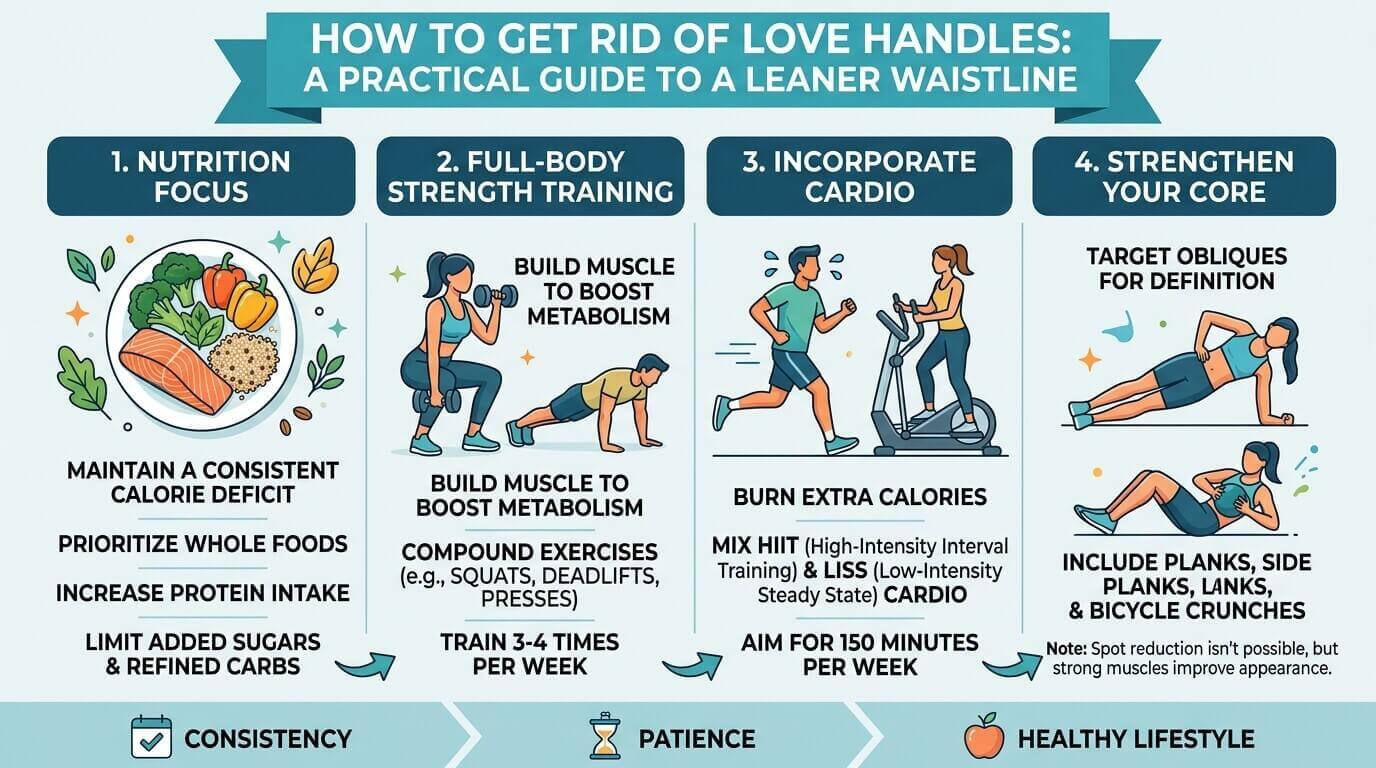
Carrying excess body weight places additional mechanical stress on every component of your spine, accelerating wear and tear on discs and facet joints while forcing supporting muscles to work harder just to maintain basic function.
Every additional pound of body weight increases the load on your lower back by approximately four pounds during standing and significantly more during walking or bending activities, which explains why weight loss frequently produces dramatic improvements in back pain symptoms.
Improper Lifting Techniques
Lifting heavy objects incorrectly remains one of the most common causes of acute spine injuries, particularly herniated discs and muscle strains that can produce immediate, severe pain and potentially chronic problems. Bending at the waist while keeping legs straight to pick up objects multiplies the force on your lower back discs by a factor of ten compared to bending at the knees with a straight back, creating an enormous risk of disc injury with even moderate weights.
The Most Common Spine Conditions
Several conditions frequently affect spine health, and understanding them helps you recognize warning signs early and seek appropriate treatment before problems become severe.
Herniated discs occur when the gel-like center of an intervertebral disc pushes through its tough outer shell, potentially pressing on nearby nerves and causing pain, numbness, or weakness that radiates into your arms or legs, depending on the disc location.
Degenerative disc disease describes the natural wear and tear of spinal discs over time that reduces their height, flexibility, and shock-absorbing capacity, sometimes causing pain and stiffness that worsens with certain movements or positions.
Spinal stenosis involves narrowing of the spinal canal or nerve openings that compresses nerves, typically developing gradually as a consequence of aging, arthritis, or previous injuries that alter spinal anatomy.
Sciatica refers to pain traveling along the sciatic nerve from your lower back through your buttock and down your leg, usually resulting from a herniated disc or bone spur compressing the nerve root where it exits your spine.
Scoliosis describes an abnormal sideways curvature of the spine that can range from mild, requiring only monitoring, to severe, potentially necessitating bracing or surgical intervention to prevent progression and preserve function.
Daily Habits That Protect Your Spine Health

Incorporating spine-friendly habits into your daily routine provides the most effective long-term protection against the degeneration, injury, and chronic pain that affect millions of people with spine problems.
Perfect Your Sitting Posture
When sitting, keep your feet flat on the floor with your knees bent at approximately ninety degrees, your back supported by the chair’s backrest, and your shoulders relaxed rather than hunched forward.
Your computer screen should be positioned at eye level so you can look straight ahead without tilting your neck, and your keyboard should allow your elbows to rest comfortably at your sides with forearms parallel to the floor. Take breaks every thirty to forty-five minutes to stand, stretch, and walk briefly, giving your spinal discs the movement they need to stay hydrated and healthy.
Master Proper Lifting Mechanics
Always lift with your legs rather than your back by bending at your knees and hips while keeping your back straight and the object close to your body. Avoid twisting while lifting; instead, pivot your entire body with your feet to change direction. For heavy objects, don’t hesitate to ask for help or use mechanical assistance like dollies or lifting straps that reduce spinal loading.
Sleep in Spine-Friendly Positions
Your sleeping position significantly affects spine health because you spend approximately one-third of your life in bed. Sleeping on your side with a pillow between your knees maintains neutral spinal alignment, while sleeping on your back with a pillow under your knees reduces lower back pressure.
Avoid sleeping on your stomach whenever possible, as this position forces your neck into extreme rotation and increases lumbar lordosis beyond comfortable limits.
Stay Active Throughout the Day
Movement nourishes your spinal discs through a process called imbibition, where disc compression and decompression during physical activity pump nutrients into and waste products out of these avascular structures that lack a direct blood supply. Walking, swimming, cycling, and yoga provide excellent spine-friendly exercise options that maintain disc health without excessive impact or loading.
Essential Exercises for Spine Health
Specific exercises strengthen the muscles supporting your spine, improve flexibility, and reduce injury risk more effectively than general fitness activities alone.
Pelvic tilts strengthen your deep core muscles and improve lumbar mobility by lying on your back with knees bent, gently flattening your lower back against the floor by tightening abdominal muscles, holding for five seconds, then releasing.
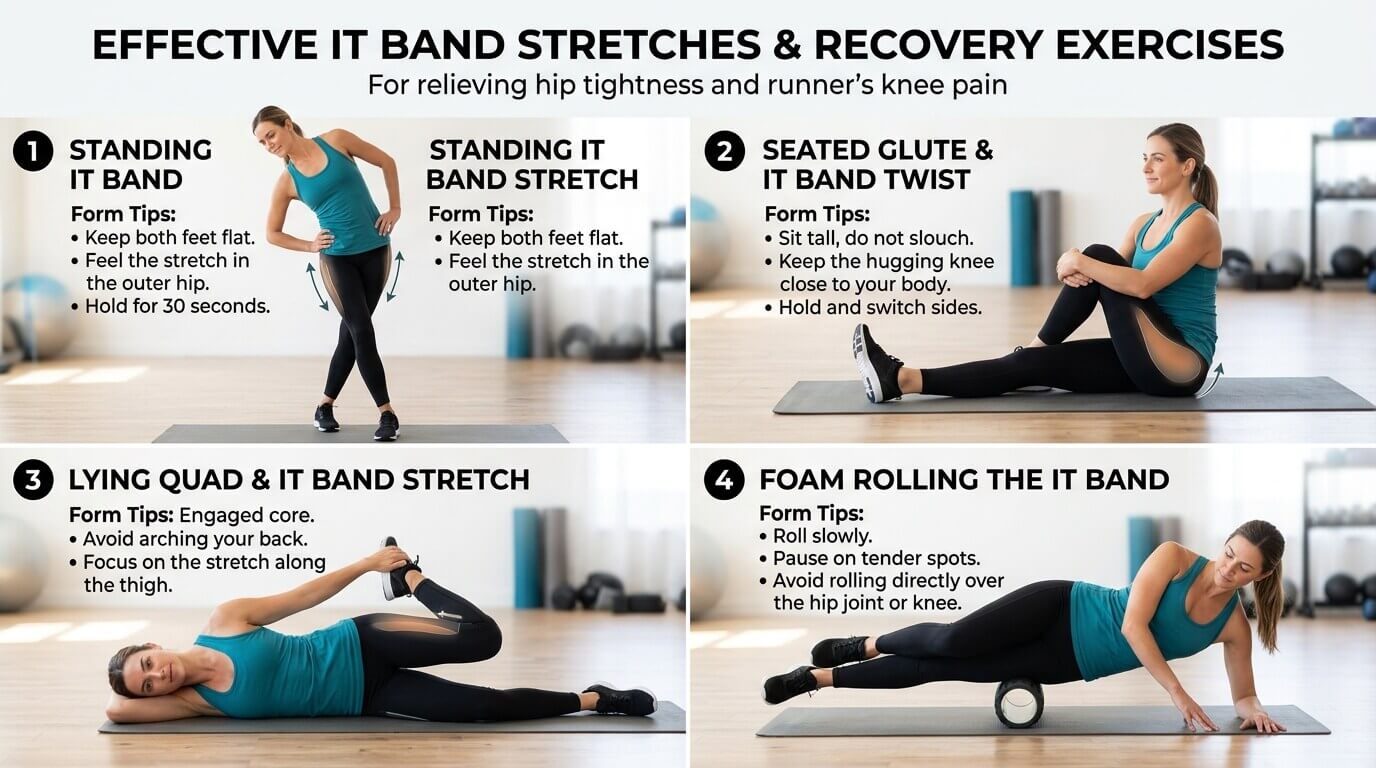
Cat-cow stretches improve spinal flexibility and relieve tension by alternating between arching your back upward like a frightened cat and dropping your belly toward the floor while lifting your head and tailbone, moving slowly and smoothly between positions.
Bird-dog exercises build core stability by starting on hands and knees, then extending one arm forward while simultaneously extending the opposite leg backward, holding briefly before switching sides.
Bridges strengthen your glutes and lower back by lying on your back with knees bent and feet flat, then lifting your hips toward the ceiling while squeezing your glutes, creating a straight line from shoulders to knees.
Dead hangs decompress your spine by hanging from a pull-up bar with relaxed shoulders, allowing gravity to gently stretch your spine and relieve disc pressure accumulated throughout the day.
Nutrition for Optimal Spine Health

What you eat directly affects your spine’s structural integrity, inflammatory status, and ability to repair daily wear and tear.
Calcium and vitamin D are essential for maintaining bone density in your vertebrae, with dairy products, leafy greens, and fortified foods providing calcium, while sunlight exposure and supplements ensure adequate vitamin D levels.
Omega-3 fatty acids found in fatty fish, walnuts, and flaxseed reduce inflammatory processes that contribute to disc degeneration and nerve irritation, potentially slowing age-related spine deterioration.
Anti-inflammatory foods, including berries, turmeric, ginger, and leafy greens, help manage the chronic low-grade inflammation that accelerates spinal degeneration and contributes to pain perception.
Adequate hydration is critical because spinal discs are composed primarily of water, and dehydration reduces disc height and shock-absorbing capacity, making your spine more vulnerable to injury and degeneration.
Collagen-supporting nutrients, including vitamin C, zinc, and protein, support the maintenance and repair of connective tissues, including discs, ligaments, and tendons that keep your spine functioning properly.
When to See a Doctor About Your Spine
While many spine problems improve with self-care, certain warning signs require professional medical evaluation to rule out serious conditions and ensure appropriate treatment.
Seek immediate medical attention if you experience loss of bladder or bowel control combined with leg weakness, as this may indicate cauda equina syndrome, a medical emergency requiring urgent surgical intervention. Sudden severe back pain following trauma, significant progressive weakness in your legs, unexplained weight loss combined with back pain, or pain that doesn’t improve after several weeks of conservative self-care all warrant prompt medical evaluation.
Key Takeaways for Lifelong Spine Health
Your spine health determines your mobility, comfort, independence, and quality of life more than almost any other single factor in your overall well-being. Protecting it requires consistent daily habits, including proper posture, regular movement, smart lifting techniques, spine-friendly sleeping positions, targeted strengthening exercises, and nutritious eating that supports disc and bone health.
Start implementing these strategies today rather than waiting until pain forces your attention, because the best time to protect your spine is long before problems develop. Your future self will thank you enormously for the care and attention you give to your spine right now.