Introduction
We live in a world that never seems to be quiet. Between the constant notifications on our phones, the hum of traffic, and the endless mental to-do lists, our brains rarely get a moment to rest truly. You might find yourself searching for a way to unplug that doesn’t just involve watching another show on a screen.
Float therapy offers a unique solution. It is a practice of retreating into a controlled environment where you can disconnect from the outside world. When you lie back in a tank filled with warm water and Epsom salt, you enter a space that feels like a quiet reset button for your nervous system.
It might seem strange at first to lie in the dark, floating on your back. But for many people, that hour of silence becomes the most important part of their week. Let’s look at what this experience really entails and why so many people are turning to it.
What Exactly Is Float Therapy?
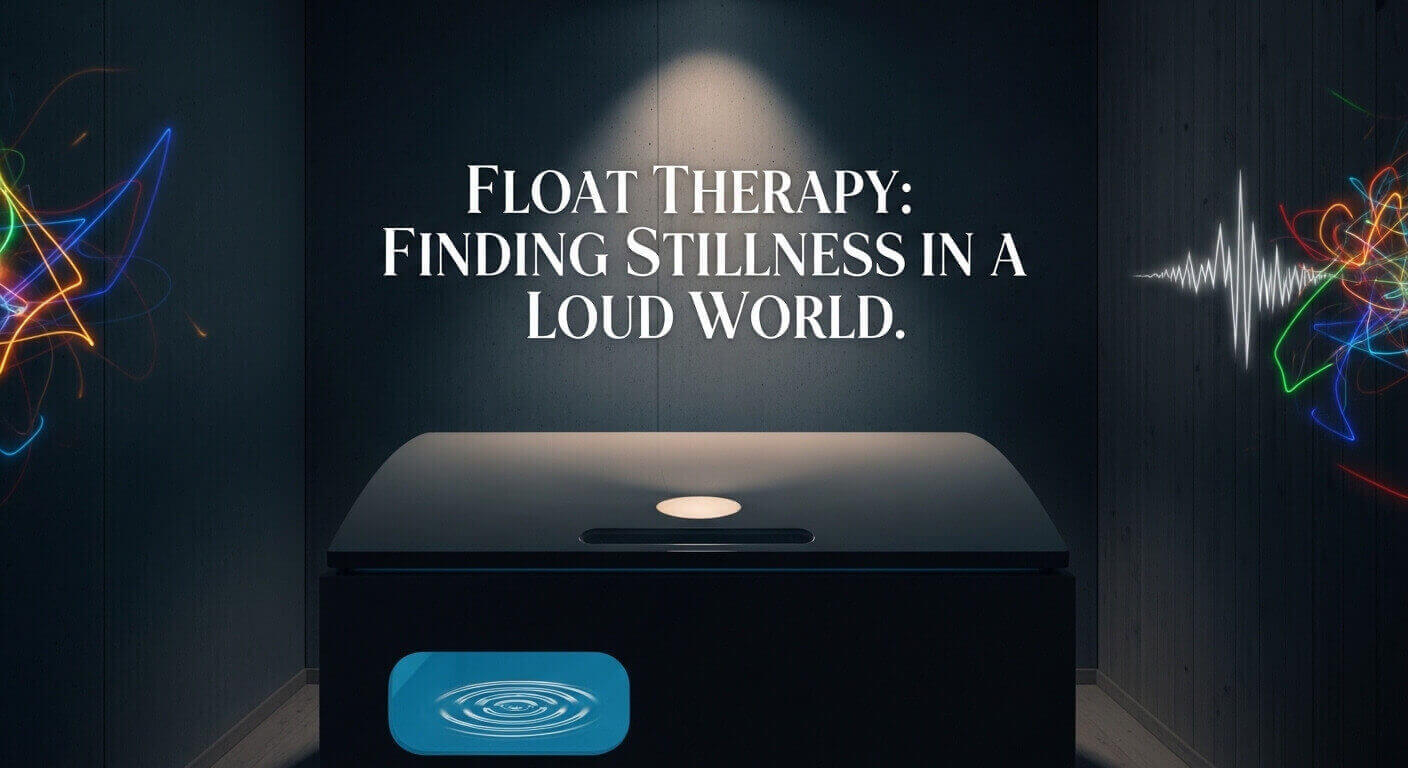
At its core, float therapy involves lying in a tank or pod filled with water that is saturated with Epsom salt. The water is heated to the exact temperature of your skin, which creates a feeling of vanishing boundaries. Because the water is so dense with salt, you float effortlessly, as if you were in the Dead Sea.
The tank is soundproof and lightproof. When you close the lid, you are in total darkness and silence. This environment is often called Restricted Environmental Stimulation Therapy, or REST.
The goal is to remove as much sensory input as possible. By turning off the noise, the lights, and the feeling of gravity, you allow your brain to stop processing the external world. You are left with nothing but your own thoughts and a deep, physical sense of relaxation.
The Science of Buoyancy

You might wonder how you stay afloat without any effort. It comes down to basic physics. The water inside the tank contains hundreds of pounds of Magnesium Sulfate, commonly known as Epsom salt.
This salt increases the density of the water significantly. When your body enters this solution, it experiences a level of buoyancy that is impossible to achieve in a swimming pool or the ocean. You don’t have to tread water or worry about sinking.
This state of weightlessness is what makes float therapy so effective for physical relief. When you aren’t fighting gravity, the muscles in your neck, back, and shoulders finally get to stop working. They can let go of the tension they have been holding onto all day.
How High Concentrations of Salt Work
The Epsom salt used in float therapy is not just about keeping you afloat. It also plays a role in how your skin feels and how your body processes the experience. Magnesium is a mineral that many of us do not get enough of in our daily diets.
While the science on how much magnesium is absorbed through the skin is still evolving, many people report feeling less muscle soreness after a float. This could be due to the magnesium content or simply because the muscles are fully relaxed.
The salt also softens the water. When you step out of the tank after your session, your skin often feels remarkably soft and smooth. It is a gentle way to hydrate and rejuvenate your body without using harsh chemicals.
The Sensory Deprivation Experience
When we talk about sensory deprivation in float therapy, we don’t mean anything scary. We just mean you are limiting the amount of information your brain has to process. In our daily lives, our brains are constantly working to interpret light, sound, temperature, and gravity.
When you remove those inputs, your brain can shift gears. Many people find that they move from a state of alert, analytical thinking into a more creative or meditative state.
This is often where the magic happens. Without the need to react to the world, your mind can wander, solve problems, or just rest. It is a form of active meditation that requires very little effort from you.
Why Your Brain Needs Silence
Your brain is an energy hog. A huge portion of your daily caloric intake goes toward keeping your brain running and processing information. When you are in a float tank, that processing load drops dramatically.
This leaves your brain with extra energy to focus on self-regulation and healing. Some experts suggest that floating helps shift brain waves into the theta state, which is the same state associated with deep meditation and the moments right before you fall asleep.
In this state, you might feel a sense of clarity that is hard to find elsewhere. Ideas may surface, or you might find that you are finally able to let go of a nagging worry that has been bothering you for days.
Preparing for Your First Session
If you are thinking about trying float therapy, you might have a few questions about how to prepare. Most centers are very welcoming to beginners. You don’t need any special training or skills to float.
The most important advice is to keep it simple. Avoid drinking caffeine for a few hours before your appointment, as it can make it harder to relax. Some people find that eating a light meal an hour or two before is better than going in on an empty stomach.
You should also check if you have any open cuts or scrapes, as the high salt content will sting. Most centers provide a barrier cream like petroleum jelly that you can apply to any small nicks to protect them from the water.
What Happens During Your Appointment
When you arrive at a float center, a staff member will give you a tour. They will show you how to enter the tank and explain how to control the light or music, if the facility offers those options. You will shower before you get in to keep the water clean.
Once you are inside, you can choose to keep the lid open or closed. You can also leave the lights on if you are nervous. It is your session, and you are in control.
Most sessions last about 60 to 90 minutes. You might spend the first 15 minutes fidgeting or adjusting, but then you will likely settle into a deep stillness. When the session ends, music usually plays or the lights come on to gently guide you back to reality.
Mental Health and Anxiety Relief
One of the most common reasons people book a float therapy session is to manage stress and anxiety. We often hold tension in our bodies without realizing it. We clench our jaws, hunch our shoulders, and tighten our stomachs.
In the tank, the environment forces you to release that physical tension. As your body relaxes, your mind often follows suit. Many users describe the experience as a “mental decluttering.”
If you struggle with racing thoughts, the silence of the tank can be a relief. It provides a container for your thoughts where they can play out without the pressure of the outside world. Many people walk out of the center feeling lighter and more grounded than when they walked in.
How It Impacts Your Stress Levels
Chronic stress keeps us in a “fight or flight” mode. Our cortisol levels stay high, which can wreak havoc on our sleep, digestion, and mood. Float therapy encourages a shift into the parasympathetic nervous system, which is our “rest and digest” mode.
By signaling to your body that you are safe, supported, and free from external demands, floating helps pull you out of that stress cycle. It is not a permanent cure for life’s problems, but it provides a necessary break.
Regular floaters often find that the benefits start to last longer after they leave the tank. They might find themselves reacting less intensely to stressful situations at work or home.
Physical Benefits and Pain Management
Aside from the mental perks, float therapy is frequently used for physical pain management. The lack of gravity is incredibly beneficial for people with chronic pain, such as fibromyalgia or arthritis.
When you weigh almost nothing, your joints are not being compressed. For people who spend all day sitting at a desk, floating can provide relief for a compressed spine and tight hips.
It can also be a wonderful tool for those recovering from an injury. If your doctor clears you for it, floating allows you to rest your body fully without putting pressure on injured muscles or tendons.
Athletic Recovery and Performance
Professional athletes have been using float therapy for years. If you participate in high-intensity sports, your body accumulates a lot of micro-trauma. You need time to recover, and your nervous system needs time to regulate.
Floating is an efficient way to expedite that recovery process. Reducing inflammation and increasing blood flow, it helps get your body ready for the next training session.
Beyond the physical, many athletes use float therapy for mental visualization. With no distractions, they can mentally rehearse their game or race in perfect, vivid detail. It is a training tool for the mind just as much as the body.
Is Float Therapy Safe and Clean?
A common question people have is about hygiene. It is understandable to be curious about how the water is cleaned after someone else has been in it.
High-end centers take sanitation very seriously. The water is filtered multiple times between every single session. It usually passes through a high-grade filtration system that catches debris.
The water is also treated with chemicals or UV systems to kill bacteria and viruses. Most centers are heavily regulated by local health departments, similar to how public pools or spas are managed.
Common Myths and Misconceptions
People often have fears about float therapy that aren’t grounded in reality. One big myth is that it is claustrophobic. While the tank does have a lid, most people find that because the space is dark, they lose their sense of where the walls are.
You can also keep the lid open if you choose, or float in a larger “pod” or “room” style tank. Another myth is that you will fall asleep and drown.
Because the water is so buoyant and shallow, you can’t actually sink. If you fall asleep, you might roll over slightly, but the salt in the water will sting your eyes or nose if you start to turn, which will immediately wake you up.
Who Should Approach Floating with Caution?
While float therapy is generally safe, there are some people who should consult a doctor first. If you have open wounds or skin infections, you should wait until they heal.
People with certain medical conditions, such as epilepsy or low blood pressure, should also seek medical advice before booking a session. If you have recently dyed your hair, you may need to wait, as the dye can bleed into the water and ruin the filtration system.
Always let the staff at the center know about any health conditions you have. They are experts in the safety of their facilities and will give you the best advice for your specific situation.
Building a Consistent Practice

Is once enough? You will certainly feel relaxed after a single session, but consistency is where the long-term benefits live. Think of it like exercise. One trip to the gym won’t get you fit, but going every week will.
Many people find that floating once every two weeks or once a month is the sweet spot for their schedule. It gives them something to look forward to and a regular cadence for mental maintenance.
You don’t need to force it. If you find yourself craving that quiet time more often, that is great. If you feel like you only need it when life gets hectic, that is also perfectly fine.
Making the Most of Your Float
How can you ensure you have a great session? First, try not to have any big expectations. If you go in thinking you need to have a spiritual breakthrough, you will likely just end up frustrated.
The best approach is to go in with an open mind. If you find your mind wandering to your grocery list or a work project, don’t judge yourself. Just gently bring your focus back to your breath.
Some people enjoy floating in complete silence, while others prefer to have soft, ambient music playing for the first few minutes to help them settle in. Experiment with what works for you.
Final Thoughts
Float therapy is more than just a spa trend. It is a way to reclaim silence in a world that refuses to be quiet. By stepping into a tank, you are giving yourself permission to stop performing, stop producing, and stop processing.
For an hour, you don’t have to be a parent, an employee, or a friend. You don’t have to be anything at all. You just get to be.
Whether you are looking for physical pain relief, a way to handle anxiety, or simply a place to think, this practice has a lot to offer. The next time you feel like you are about to hit your limit, consider booking a float session. You might be surprised at how much you can learn about yourself when the world finally shuts up.