Introduction
Walking down the produce aisle often feels like stepping into a maze of conflicting claims. You see bright green stickers next to plain brown tags and wonder which one actually guarantees better quality. The prices jump significantly higher for packages marked with specific labels, causing many shoppers to pause at the checkout counter. This hesitation stems from a lack of clarity regarding what those labels truly represent for your family’s health. Understanding the distinction helps you spend your money wisely without sacrificing safety or nutrition.
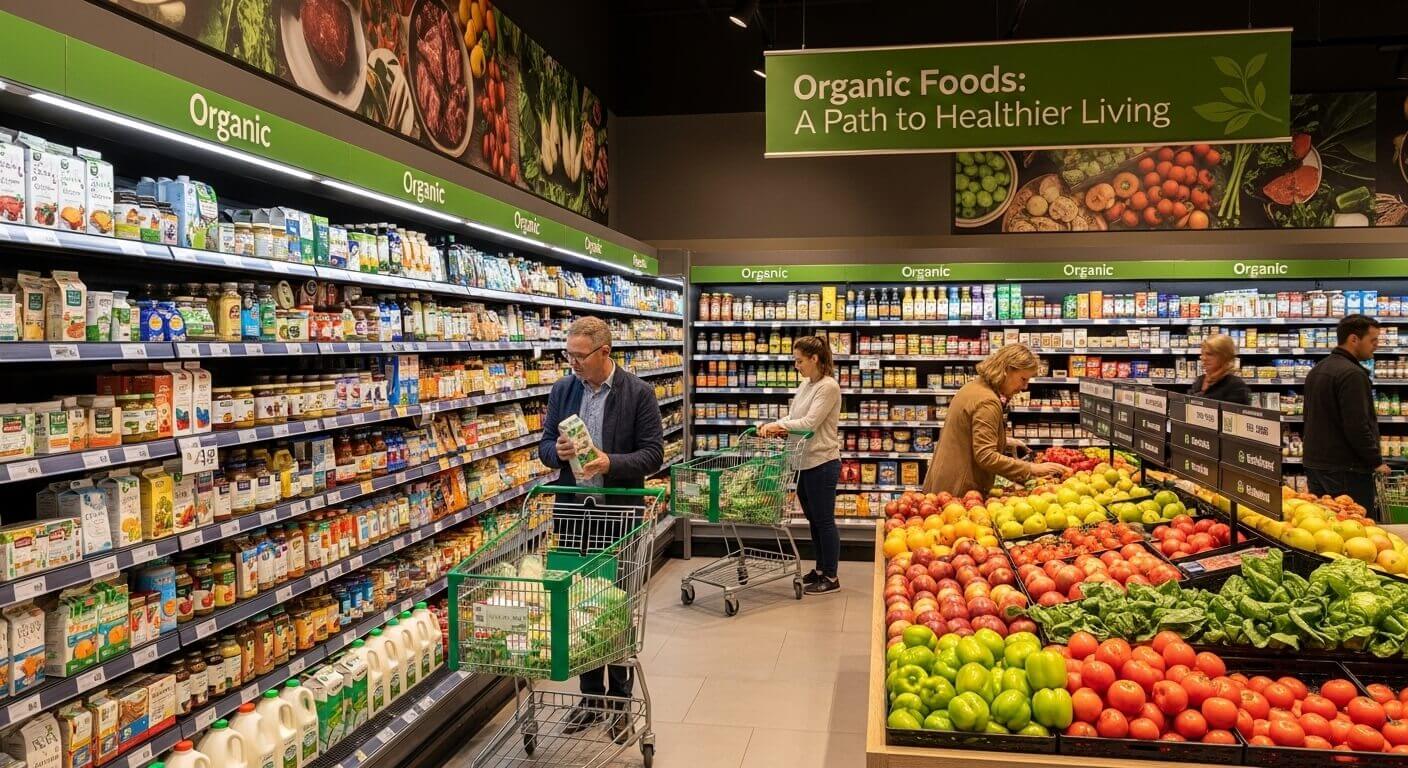
One specific category has grown exponentially in recent years due to rising consumer awareness. People are actively looking for Organic Foods in Supermarkets because they want to minimize exposure to synthetic additives. However, the sheer volume of options can lead to decision fatigue and wasted resources. Many individuals buy expensive items, thinking they are making a healthier choice, only to discover later that they missed critical details. We need to unpack the realities of these products to help you shop with confidence.
The market is flooded with variations of certification standards that confuse the average buyer. Some states have stricter regulations than others, and federal guidelines define the baseline requirements. Knowing how to interpret these rules ensures you do not fall for marketing tricks disguised as health benefits. Let’s walk through the essential knowledge required to navigate this section effectively. This guide breaks down the science, the costs, and the practical strategies for smart shopping.
Decoding the Labels on Organic Foods in Supermarkets

Reading product packaging is the first step toward making informed choices about your diet. Labels serve as legal documents rather than mere suggestions, governed by strict government agencies. In the United States, the National Organic Program sets the standards for what qualifies as genuine. If a product claims to be organic but lacks the proper seal, it may be subject to penalties for false advertising. Always check for the official logo before trusting the front-of-pack claims.
Confusion often arises between terms like “natural,” “free-range,” and “certified organic.” These words look similar but carry vastly different legal definitions and enforcement mechanisms. “Natural” usually refers to minimally processed ingredients, but does not guarantee a lack of pesticides. Certified organic involves rigorous testing of soil conditions and farming practices over multiple years. Understanding these nuances prevents you from paying premium prices for inferior products.
Understanding the Certification Standards
The USDA organic seal is the most recognized symbol indicating compliance with federal regulations. Farms must undergo a detailed inspection process before they are allowed to use this designation publicly. Prohibited substances include synthetic fertilizers, sewage sludge, and irradiation methods. Farmers also cannot use genetically modified organisms or genetic engineering techniques on certified crops.
Inspections occur annually to verify ongoing compliance with these strict farming protocols. Inspectors visit fields to check for buffer zones preventing contamination from neighboring conventional farms. They review records showing exactly what was applied to the land and when. This documentation ensures traceability from the farm gate all the way to the grocery shelf. Transparency builds trust between producers and consumers who prioritize clean eating habits.
Deciphering Claim Types and Percentages
Not all organic products are created equal regarding ingredient composition. There are distinct categories based on how much of the total contents are organic by weight. Four percent of organic ingredients does not qualify a product for any specific labeling whatsoever. Five percent is the minimum threshold to use the phrase “made with organic ingredients.”
Products containing at least ninety-five percent organic ingredients can display the official seal prominently. The remaining five percent must come from approved non-agricultural sources or approved agricultural substances. Any product labeled simply as “organic” implies it meets this high standard generally. Check the ingredient panel to confirm the specific percentage listed near the claim. This level of detail matters if you are avoiding specific allergens or additives strictly.
| Label Category | Minimum Organic Content | Allowed Usage of Seal |
|---|---|---|
| 100% Organic | 100% | Yes |
| Organic | 95% | Yes |
| Made with Organic Ingredients | 70% | No |
| Specific Organic Ingredients | <70% | Only in the ingredient list |
The Health and Environmental Impact Debate
Claims surrounding health benefits vary depending on the source of research you consult. Some studies suggest significant nutritional differences while others find minimal variances. The consensus among experts leans towards the idea that pesticide reduction is the primary advantage. Eating fewer synthetic chemicals directly correlates with lower risk levels for certain chronic conditions over time. However, nutrient density varies widely based on soil health and crop rotation methods.
Environmental impact is another crucial factor influencing consumer decisions beyond personal health. Conventional farming often relies heavily on chemical inputs that degrade soil structure long-term. Organic practices encourage biodiversity and improve water retention within the earth naturally. Rotating crops prevents depletion of specific nutrients needed for plant growth cycles. Choosing these products supports agricultural systems designed to regenerate the land rather than exhaust it.
Reducing Pesticide Residue Exposure in Daily Diets
Pesticides are designed to kill pests, but do not always distinguish between bad bugs and beneficial ones. Studies consistently find residues on conventional produce that exceed safety limits recommended by some health organizations. Washing fruits can remove surface residue, but cannot penetrate deep tissue layers where toxins are absorbed. Children are particularly vulnerable because their developing bodies process chemicals differently from adults.
Swapping conventional apples and strawberries for organic versions reduces exposure dramatically. The Environmental Working Group publishes an annual list tracking the most contaminated crops. Items like spinach, peaches, and grapes often top these lists, requiring careful selection. Switching to organic versions of these specific items offers the highest return on investment for safety. Even if you cannot afford everything, prioritizing these high-risk foods makes a measurable difference.
Nutrient Density Compared to Conventional Crops
Certain phytonutrients exist in higher concentrations in organically grown plants compared to conventional counterparts. These compounds act as antioxidants that protect cells from damage caused by free radicals. For example, phosphorus and magnesium levels often rise in soil-grown vegetables versus chemically assisted ones. Vitamin C content can fluctuate based on the stress placed on the plant during growth phases.
Protein quality in animal products like milk and eggs shows variation due to feed restrictions. Livestock raised on organic regimes eat grass or certified feed without antibiotic growth promoters. This results in different fatty acid profiles found in dairy and meat products. Omega-3 levels tend to be higher in pasture-raised cows compared to confined feeding operations. These subtle shifts accumulate in your diet over weeks and months of consistent consumption.
Environmental Impact Connection
Sustainable farming reduces runoff pollution entering local rivers and groundwater systems nearby. Chemical fertilizers wash into waterways, causing algal blooms that deplete oxygen for fish populations. Organic boundaries create habitats for pollinators like bees and butterflies, essential for ecosystem health. Soil carbon sequestration helps mitigate climate change by locking carbon underground rather than releasing it. Supporting these practices contributes to global efforts in combating ecological degradation.
Local economies benefit when consumers choose local organic farms over industrial supply chains. Money stays within the community, helping small businesses thrive against large corporate monopolies. Shorter transportation distances lower the carbon footprint associated with shipping goods long distances. Freshness also improves because produce spends less time in transit storage facilities. Speedier delivery means higher nutrient retention upon arrival at the kitchen table.
Practical Strategies for Shopping on a Budget

Cost remains the biggest barrier for families trying to integrate these options into daily meals. Prices can be double or triple the conventional alternatives depending on the region and season. Without a strategy, you might quickly overspend and revert to cheaper processed snacks instead. Planning allows you to access savings without compromising your goals entirely.
Buying in bulk often lowers the per-unit cost significantly for staple items like grains and nuts. Warehouse clubs and co-ops frequently offer better deals on organic staples in large quantities. Freezer sections provide frozen fruits and vegetables that maintain nutrient profiles well below market prices. These items are often picked at peak ripeness and flash-frozen immediately to preserve freshness. Comparing price tags across aisles reveals hidden bargains on store brand labels.
Identifying the Most Cost-Effective Purchases
Focus your spending power on items that retain the most pesticide residues during processing. Meat, dairy, and produce with thin skins offer the best value for health protection dollars spent. Grains like rice and oats are safer because their protective husks shield the interior kernel. You can save money buying conventional rice since the hull protects the grain inside thoroughly. Prioritize organic status where skin contact exposes the consumer to contaminants directly.
Check weekly flyers for discounts on seasonal organic produce availability. Berries and stone fruits drop in price when they are abundant in your local growing cycle. Stock up on sales for pantry staples like olive oil, honey, and spices. Storing these items properly ensures they last until you need them again later. Inventory management prevents waste while taking advantage of temporary price reductions.
Utilizing Sales and Bulk Sections
Many supermarkets have dedicated sale bins for organic items nearing expiration dates. These markdowns can be steep, offering up to fifty percent off regular pricing. Buy two bags now and freeze the extra portion for future use immediately. Rotate stock carefully so older items get used before newer ones arrive at home. Clear plastic wrapping works well for protecting frozen produce from freezer burn.
Membership clubs sometimes offer exclusive pricing on specific organic brands unavailable elsewhere. Signing up for loyalty programs adds bonus points that convert to future grocery credits. Apps linked to your phone track digital coupons tailored to your purchasing history. Combining store sales with manufacturer coupons maximizes overall savings potential instantly. Strategic stacking of offers keeps the monthly bill manageable despite higher unit costs.
Pitfalls to Avoid When Selecting Products
Even informed shoppers make errors that undermine their health goals unintentionally. Assumptions about ingredients based on brand reputation can lead to poor dietary choices. Just because a package looks rustic or green does not mean it meets organic standards legally. Marketing designs often mimic nature to trick consumers into believing superior quality exists. Critical evaluation of every label prevents falling for these visual deception tactics.
Overeating organic processed foods is a paradoxical mistake common among well-meaning dieters. Cookies made with organic flour can still contain excessive sugar and saturated fats. Caloric intake remains a primary driver of weight gain regardless of ingredient sourcing purity. Balancing quantity alongside quality ensures you meet nutritional targets without excess empty calories. Moderation is key even when consuming the healthiest available options on the shelf.
Confusing “Natural” Claims with Official Certification
Packaging language like “all-natural” implies something different than “certified organic” in law. Regulatory bodies do not enforce strict definitions for the term “natural” uniformly across industries. Companies can use this word freely without undergoing third-party verification processes regularly. It usually indicates the absence of artificial colors or preservatives but says nothing about farming practices. Treat these claims with skepticism unless accompanied by a verifiable certification seal.
“Free-range” applies mainly to poultry and dairy, implying access to outdoor space. Standards vary widely between manufacturers and regions regarding duration and quality of access. Some animals spend only brief periods outside despite the appealing imagery on boxes. Verify the specific wording for assurance that welfare standards match your expectations accurately. Demand transparency from brands regarding their actual farming methodologies employed.
Overlooking Hidden Sugars in Organic Processed Goods
Processed snacks often hide sweeteners derived from cane juice or fruit concentrates. While these are technically organic, they function similarly to refined sugars metabolically. Blood sugar spikes can occur from these sources just as easily as from white sugar derivatives. Reading the full nutrition label is necessary to identify added sugars hidden under various names. High fructose corn syrup is avoided in organic products but other sweeteners replace it frequently.
Flavor enhancers and stabilizers might be permitted in organic formulations that affect gut health. Emulsifiers like lecithin are common even in clean label products found on shelves. Consult reliable databases or apps to cross-reference ingredients against known sensitivities. Awareness of these additives helps you navigate complex ingredient lists successfully. Knowledge acts as the best defense against misleading product positioning strategies.
Expert Recommendations for Long-Term Success
Building a sustainable habit requires consistency and realistic expectation setting. Trying to replace every single item overnight leads to financial strain and eventual burnout. Gradual adoption allows your palate to adjust to different flavor profiles slowly over time. Small wins build momentum that keeps you motivated throughout the entire journey ahead. Trust the process as you integrate these changes into your routine naturally.
Nutritionists recommend focusing on whole foods rather than packaged goods whenever possible. Raw produce contains fiber and vitamins lost during heavy industrial processing steps. Cooking at home gives you total control over ingredients and preparation methods used. Reducing reliance on boxed mixes eliminates unknown additives introduced during factory manufacturing. Simplicity often yields the greatest health rewards without complex calculations involved.
Prioritizing Based on the Dirty Dozen List
The Environmental Working Group maintains a definitive list ranking crops by contamination levels. Start by swapping the top ten items from this list to reduce toxin exposure efficiently. Strawberries, spinach, and celery consistently appear near the top due to spraying intensity. Apples and grapes follow closely behind requiring careful washing or organic substitution. Peppers and potatoes are next on the priority list for household switching.
The Clean Fifteen list highlights produce with thick skins that protect against chemical absorption. Avocados, onions, and sweet corn generally require less vigilance regarding organic status. Buying conventional versions of these items saves money without significant health trade-offs. Using this data-driven approach optimizes your budget allocation effectively for maximum safety. Prioritization prevents spreading limited funds too thinly across unnecessary purchases.
Integrating Frozen and Canned Alternatives
Frozen produce retains nutrients well after harvesting and freezing processes. Flash-freezing locks in vitamins that would otherwise degrade during transport and shelf storage. Frozen berries and vegetables often taste better than out-of-season fresh options available locally. Canned beans and tomatoes are convenient staples safe for organic integration easily. Look for BPA-free linings if worried about chemical leaching from metal containers.
Cooking with frozen veggies reduces prep time significantly for busy weeknight dinners. They thaw quickly when added directly to stir-fries or soups without texture loss. Storage life extends far beyond fresh produce, reducing food waste in households drastically. Buying seasonal varieties in batches allows for economical stocking during sale periods. This strategy bridges gaps when fresh inventory is scarce or overly expensive locally.
Conclusion: Final Thoughts on Sustainable Choices
Making the switch to cleaner options requires patience and a willingness to learn constantly. There is no perfect way to shop that satisfies every economic constraint perfectly. The goal is progress rather than perfection in how you nourish yourself and your family. Small adjustments compound over time to create meaningful improvements in overall wellness levels. Every purchase sends a signal to the market about what values matter most to you.
Understanding Organic Foods in Supermarkets empowers you to make decisions aligned with your priorities. You can balance budget limitations with health goals by knowing where to focus resources. Labels become tools for information rather than barriers, creating anxiety at the checkout line. Education is the foundation of lasting change in how we interact with our food systems. Use this knowledge to advocate for better standards and cleaner ingredients everywhere.
Your commitment to informed choices influences industry trends significantly over decades. Increased demand will eventually encourage more farmers to adopt sustainable practices worldwide. Supporting ethical agriculture fosters resilience against future environmental challenges facing us all. Enjoy the process of discovery as you explore new flavors and healthier lifestyles together. Consistency remains the true secret to achieving lasting vitality and peace of mind.