Introduction
Gastroenteritis, commonly known as stomach flu, is one of the most uncomfortable illnesses you can experience. If you’ve ever spent a miserable day or two dealing with sudden stomach cramps, frequent bathroom trips, and complete exhaustion, you know exactly how debilitating this condition can be.
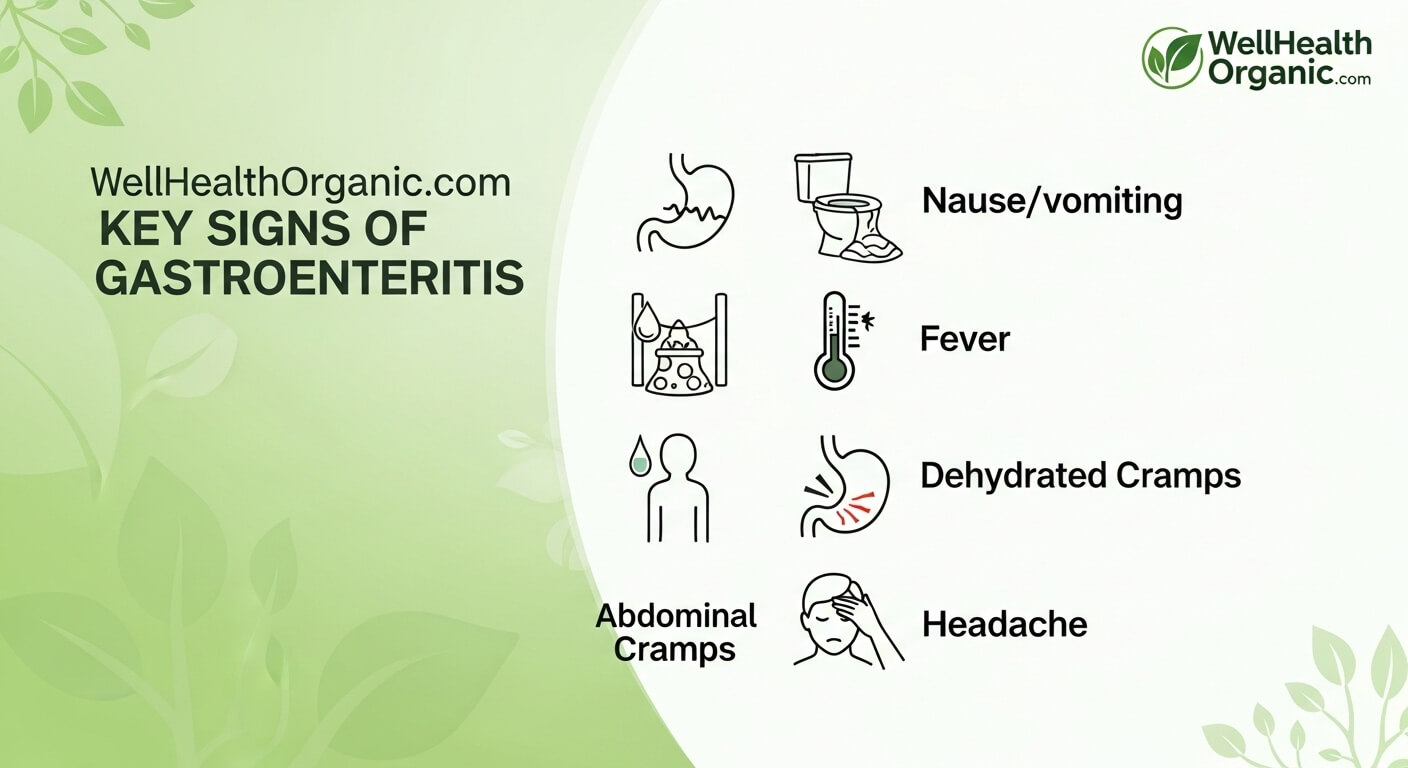
Understanding the wellhealthorganic.com key signs of gastroenteritis helps you identify the condition early, seek appropriate treatment, and prevent spreading it to family members or coworkers. This comprehensive guide walks you through everything you need to know about recognizing gastroenteritis symptoms, understanding what causes them, and managing the illness naturally using principles aligned with holistic health approaches.
Whether you’re currently experiencing symptoms or want to be prepared for the future, this detailed resource provides the practical information you need to navigate this common but unpleasant illness.
Understanding What Gastroenteritis Actually Is

Gastroenteritis refers to inflammation of your digestive tract, specifically affecting both your stomach and intestines. This inflammation disrupts the normal functioning of your digestive system, leading to the characteristic symptoms that make this illness so miserable.
The wellhealthorganic.com key signs of gastroenteritis stem directly from this inflammation, which prevents your stomach and intestines from properly processing food and absorbing nutrients. When your digestive tract becomes inflamed, the delicate balance of fluid absorption gets disrupted, causing the body to expel contents rapidly through vomiting or diarrhea.
Most cases are caused by viral infections, though bacteria, parasites, and even certain toxins can trigger the same inflammatory response. The condition typically comes on suddenly and intensely, distinguishing it from chronic digestive issues that develop gradually over time. Understanding this inflammatory process helps explain why the symptoms appear so abruptly and why they affect multiple body systems simultaneously.
The Most Common Cause: Viral Gastroenteritis
Viral infections account for the vast majority of gastroenteritis cases, which is why you often hear this condition called “stomach flu” even though it has nothing to do with influenza. The wellhealthorganic.com key signs of gastroenteritis caused by viruses include sudden onset of symptoms that affect everyone in similar ways.
Norovirus is the most frequent culprit in adults, spreading rapidly through contaminated food, water, or surfaces touched by infected individuals. This highly contagious virus can survive on surfaces for days and requires only a tiny amount to cause infection, which explains why it spreads so easily in closed environments like cruise ships, schools, or nursing homes.
Rotavirus, while less common in adults due to widespread childhood vaccination, remains a significant cause of gastroenteritis in unvaccinated children. Adenovirus and astrovirus are other viral agents that cause similar symptoms, though generally less severe. All these viruses work by invading the cells lining your intestines, disrupting their function, and triggering the inflammatory response that produces the characteristic symptoms.
Bacterial Gastroenteritis and Food Poisoning
While viruses cause most cases, bacterial infections represent another important category that presents similar wellhealthorganic.com key signs of gastroenteritis but often with some distinguishing features. Bacterial gastroenteritis typically results from consuming contaminated food or water containing harmful bacteria like E. coli, Salmonella, Campylobacter, or Shigella.
These bacteria-caused cases often involve higher fevers and more severe abdominal pain than viral versions, and they’re more likely to produce bloody diarrhea due to the bacteria directly damaging intestinal tissue. Food poisoning from bacteria like Staphylococcus aureus or Clostridium perfringens causes rapid-onset symptoms, sometimes within hours of eating contaminated food, because these bacteria produce toxins rather than directly infecting your intestinal cells.
The distinction matters because some bacterial infections require antibiotic treatment, while viral cases do not. Understanding whether your symptoms might indicate bacterial rather than viral gastroenteritis helps you know when to seek medical attention for possible antibiotic therapy.
Primary Wellhealthorganic.com Key Signs of Gastroenteritis: Diarrhea
Diarrhea stands as the hallmark symptom of gastroenteritis and often the first sign that something is wrong. This isn’t just loose stools—gastroenteritis typically causes watery diarrhea that comes on suddenly and occurs multiple times per day, sometimes ten or more episodes. The wellhealthorganic.com key signs of gastroenteritis related to diarrhea include the urgent need to use the bathroom, inability to control bowel movements in severe cases, and stools that are completely liquid with no formed content.
The diarrhea occurs because the inflamed intestinal lining cannot properly absorb water from the digestive contents, and in some cases, the inflammation actually causes the intestines to secrete additional fluid into the digestive tract.
This combination results in the characteristic watery stools that define gastroenteritis. The color can vary from yellow to green to even clear, depending on how quickly contents move through your system and what you’ve recently eaten. While extremely unpleasant, this diarrhea actually serves a protective function, helping your body expel the infectious agent causing the problem more quickly than it otherwise would.
Nausea and Vomiting: The Upper Digestive Symptoms
Alongside diarrhea, nausea and vomiting represent the other defining wellhealthorganic.com key signs of gastroenteritis that affect the upper portion of your digestive system. Many people experience nausea first, feeling queasy and uncomfortable before vomiting begins. Once vomiting starts, it can be forceful and frequent, making it impossible to keep down even small sips of water initially.
This symptom occurs because the infection irritates your stomach lining, triggering the vomiting reflex as your body attempts to expel the infectious agent. The combination of vomiting and diarrhea happening simultaneously creates the particularly miserable experience characteristic of gastroenteritis and also poses the greatest risk for dehydration since you’re losing fluids from both ends.
Some people experience primarily vomiting with minimal diarrhea, while others have the opposite pattern, but most cases involve both symptoms to some degree. The vomiting typically peaks within the first 24-48 hours and often resolves before diarrhea does, though this pattern varies between individuals and depending on the specific infectious agent involved.
Abdominal Pain and Cramping
Stomach cramps and abdominal pain rank among the most uncomfortable wellhealthorganic.com key signs of gastroenteritis, often described as waves of cramping that intensify before bowel movements. This pain results from several factors, including the inflammation of your intestinal lining, increased intestinal contractions as your body tries to expel contents quickly, and gas buildup as your digestive process becomes disrupted.
The pain is typically located in the lower abdomen but can occur anywhere in the belly, sometimes shifting locations as contents move through your digestive tract. Many people describe the sensation as similar to menstrual cramps or the feeling you get before diarrhea, normally, but more intense and persistent. The cramping often comes in waves, building to a peak and then subsiding temporarily before building again.
While painful, these cramps generally aren’t the sharp, localized, severe pain that might indicate appendicitis or other surgical emergencies. If your abdominal pain is different in character—extremely severe, localized to one specific spot, or accompanied by rigid abdominal muscles—these could indicate complications requiring immediate medical attention rather than typical gastroenteritis.
Fever and Chills: The Body’s Immune Response

Fever represents one of the wellhealthorganic.com key signs of gastroenteritis that indicates your immune system is actively fighting the infection. Most people with viral gastroenteritis develop a low-grade fever, typically between 99-101°F, though bacterial infections sometimes cause higher fevers reaching 102-104°F.
The fever occurs because your immune system releases chemicals called pyrogens that reset your body’s temperature thermostat higher, creating an environment less hospitable to the infectious agent. Along with fever, you might experience chills and body aches as your elevated temperature makes you feel cold even when you’re actually warmer than normal.
These symptoms typically appear early in the illness and may resolve within 24-48 hours, even if digestive symptoms continue. While uncomfortable, the fever serves an important protective function and doesn’t usually require treatment unless it becomes dangerously high or causes significant discomfort. In children, fevers warrant closer monitoring since they can rise more quickly and to higher levels than in adults.
Headache and Body Aches
Many people experiencing gastroenteritis don’t realize that headache and generalized body aches are actually common wellhealthorganic.com key signs of gastroenteritis rather than separate problems. These symptoms stem from several sources, including dehydration, electrolyte imbalances, the inflammatory chemicals your immune system releases during infection, and the overall physical stress that vomiting and diarrhea place on your body.
The headache is often described as a dull, throbbing pain that affects the entire head rather than localizing to one area, similar to the headache you might experience with a cold or flu. Body aches can affect your muscles and joints throughout your body, creating a generalized feeling of soreness and fatigue. These symptoms typically improve as you rehydrate and as the infection begins to resolve, though they might persist for several days even after digestive symptoms improve.
Distinguishing these symptoms from a separate illness like influenza can be challenging, but the presence of significant digestive symptoms alongside the aches and pains points toward gastroenteritis as the underlying cause.
Dehydration: The Most Serious Complication
While not technically a symptom of the infection itself, dehydration represents the most dangerous consequence of the wellhealthorganic.com key signs of gastroenteritis and requires vigilant monitoring. The combination of vomiting, diarrhea, fever, and reduced fluid intake creates perfect conditions for rapid fluid depletion, which can become life-threatening if not addressed.
Signs of dehydration include decreased urination or dark-colored urine, dry mouth and lips, dizziness, especially when standing up, rapid heartbeat, sunken eyes, and in severe cases, confusion or lethargy. Children and elderly individuals face the highest risk because they have smaller fluid reserves and may not communicate their thirst effectively. Mild dehydration can often be managed at home with careful fluid replacement, but moderate to severe dehydration requires medical intervention with intravenous fluids.
Monitoring your hydration status is absolutely critical when dealing with gastroenteritis, and many of the treatment recommendations focus primarily on preventing and reversing dehydration since this complication causes serious health consequences rather than the infection itself.
Loss of Appetite and Food Aversion
A complete loss of appetite represents one of the wellhealthorganic.com key signs of gastroenteritis that many people experience, sometimes even before other symptoms fully develop. Your body naturally suppresses hunger when dealing with a digestive infection, partly as a protective mechanism to avoid taxing an already stressed digestive system.
Many people find that even thinking about food triggers nausea, and certain foods that normally appeal to them suddenly seem completely unappealing or even repulsive. This food aversion is particularly strong for fatty, spicy, or heavily flavored foods, while bland options like crackers or toast might seem slightly more tolerable. The appetite loss can persist for several days even after vomiting stops, gradually returning as your digestive system heals.
While concerning, this temporary lack of hunger is normal, and you shouldn’t force yourself to eat regular meals if you’re not ready. Instead, focus on maintaining hydration and gradually introducing bland, easily digestible foods as your appetite begins to return. Understanding that appetite loss is a normal part of gastroenteritis helps reduce anxiety about not eating normally during the acute illness phase.
Fatigue and Weakness
Extreme fatigue and physical weakness are significant wellhealthorganic.com key signs of gastroenteritis that can be surprisingly debilitating, sometimes persisting even after digestive symptoms begin improving. This exhaustion stems from multiple factors, including dehydration, electrolyte imbalances, the energy your immune system expends fighting the infection, sleep disruption from frequent bathroom trips, and lack of caloric intake during the acute phase.
Many people describe feeling completely drained of energy, finding it difficult to perform even simple tasks like walking to another room or standing for more than a few minutes. This isn’t laziness or weakness of character—it’s a genuine physiological response to the stress your body is experiencing. The fatigue often peaks during the first 2-3 days of illness and then gradually improves, though some people report lingering tiredness for a week or more after other symptoms resolve.
Honoring this fatigue by resting adequately is important for recovery, and trying to push through and maintain normal activities typically backfires by prolonging the overall recovery period.
When Symptoms Indicate Emergency Situation
While most gastroenteritis cases resolve without medical intervention, certain wellhealthorganic.com key signs of gastroenteritis complications require immediate medical attention. Severe dehydration symptoms, including extreme dizziness, inability to urinate for 8+ hours, rapid heartbeat with weak pulse, severe lethargy or confusion, and inability to keep down any fluids for 24 hours, represent medical emergencies requiring professional care.
Blood in vomit or stools, while sometimes occurring in viral gastroenteritis, warrants medical evaluation to rule out more serious conditions. Severe abdominal pain that differs in character from the typical cramping—particularly if localized to the lower right abdomen, accompanied by abdominal rigidity, or progressively worsening—could indicate complications like appendicitis.
High fever above 104°F, symptoms lasting longer than 10 days without improvement, or gastroenteritis occurring in vulnerable individuals like infants, elderly adults, pregnant women, or immunocompromised people all warrant medical consultation. Trusting your instincts is important—if something feels seriously wrong beyond typical gastroenteritis discomfort, seeking medical evaluation provides peace of mind and ensures serious complications don’t go unaddressed.
Natural Remedies and Organic Treatment Approaches
The wellhealthorganic.com approach to managing the key signs of gastroenteritis emphasizes natural, organic remedies that support your body’s healing process without unnecessary medications. Ginger represents one of the most effective natural anti-nausea remedies, whether consumed as fresh ginger tea, ginger ale made with real ginger, or even ginger capsules.
Chamomile tea soothes the digestive tract while providing gentle hydration, and peppermint tea can ease nausea and cramping, though it should be avoided by people with acid reflux. Probiotics, particularly strains like Lactobacillus and Saccharomyces boulardii, help restore healthy gut bacteria and may shorten illness duration, though they work best when started early in the illness. Coconut water provides natural electrolyte replacement without the artificial ingredients found in commercial sports drinks.
Rest remains the most important treatment, allowing your immune system to focus energy on fighting the infection. While these natural approaches can’t cure gastroenteritis, they support your body’s own healing mechanisms and help manage symptoms more comfortably until the infection runs its course.
Hydration Strategies During Gastroenteritis
Proper hydration represents the single most important intervention for managing wellhealthorganic.com key signs of gastroenteritis and preventing serious complications. The challenge lies in maintaining fluid intake when vomiting makes drinking difficult, and diarrhea rapidly depletes whatever fluids you do consume.
The most effective approach involves frequent, small sips rather than trying to drink large amounts at once. Take one or two sips every few minutes consistently throughout the day rather than drinking a full glass that might trigger more vomiting. Clear liquids work best initially, including water, clear broth, herbal teas, and oral rehydration solutions that replace both fluids and electrolytes.
Homemade rehydration solution can be prepared by mixing six teaspoons of sugar and half a teaspoon of salt into one liter of clean water, though commercial products like Pedialyte provide more precisely balanced electrolytes. Avoid sugary sports drinks, sodas, and fruit juices that can worsen diarrhea due to their high sugar content. As vomiting subsides, gradually increase the amount you drink at once while continuing frequent intake, aiming for clear or very light yellow urine as an indicator of adequate hydration.
Dietary Recommendations for Recovery

As the acute wellhealthorganic.com key signs of gastroenteritis begin to subside and you feel ready to eat, following an appropriate diet helps avoid triggering symptom relapse while providing necessary nutrition. The traditional BRAT diet—bananas, rice, applesauce, and toast—remains helpful because these bland, low-fiber foods are easy to digest and unlikely to irritate your recovering digestive system.
You can expand beyond BRAT to include other bland options like plain crackers, boiled potatoes, plain pasta, cooked carrots, and chicken without skin. Introduce foods gradually, adding one new item at a time, so you can identify if anything triggers symptom return. Avoid dairy products for at least a week after symptoms resolve because gastroenteritis temporarily damages the enzymes that digest lactose, potentially causing cramping and diarrhea even after the infection clears.
Similarly, stay away from fatty foods, spicy dishes, caffeine, alcohol, and high-fiber foods until your digestive system fully recovers. This careful dietary approach typically spans 5-7 days, progressively returning to your normal diet as your system demonstrates it can handle more complex foods without problems.
Prevention and Protection for Family Members
Understanding the wellhealthorganic.com key signs of gastroenteritis helps with recognition, but preventing transmission to family members requires vigilant hygiene practices since most causes are highly contagious.
The infected person should use a separate bathroom if possible, or the bathroom should be cleaned with bleach-based disinfectant after each use since regular cleaners don’t effectively kill norovirus and other gastroenteritis-causing agents. Hand washing becomes absolutely critical—everyone in the household should wash hands thoroughly with soap and water for at least 20 seconds after bathroom use, before eating, and after any contact with the sick person. Hand sanitizers don’t work effectively against norovirus, so soap and water washing is essential.
The sick person should avoid preparing food for others for at least 48 hours after symptoms completely resolve since viral shedding can continue even after you feel better. Wash contaminated clothing, bedding, and towels separately in hot water with detergent, adding bleach if fabrics allow. Don’t share towels, utensils, or drinking glasses. These precautions seem extreme, but they significantly reduce transmission risk in households where one person is infected.
Recovery Timeline and What to Expect
Most people experiencing wellhealthorganic.com key signs of gastroenteritis follow a predictable recovery pattern, though individual timelines vary based on the infectious agent and personal health factors. Viral gastroenteritis typically peaks within 24-48 hours of symptom onset, with vomiting usually resolving first, while diarrhea may continue for several more days.
The acute phase generally lasts 2-3 days, during which symptoms are most severe and debilitating. Days 3-5 usually bring significant improvement with less frequent diarrhea, return of appetite, and increased energy levels, though you might still feel below normal. By day 7-10, most people have returned to normal bowel patterns and energy levels, though some experience lingering mild symptoms or fatigue. Bacterial gastroenteritis may follow a longer course, particularly if antibiotics become necessary.
Some people experience temporary lactose intolerance or food sensitivities for several weeks after recovery as the intestinal lining fully heals. Understanding this typical progression helps set realistic expectations and reduces anxiety when symptoms don’t disappear immediately, while also helping you identify when your recovery deviates from the normal pattern in ways that might warrant medical consultation.
Conclusion
Recognizing the wellhealthorganic.com key signs of gastroenteritis empowers you to respond appropriately when this uncomfortable illness strikes. While gastroenteritis is miserable to experience, understanding that most cases resolve on their own within several days provides reassurance during the worst symptoms.
The keys to successful management include maintaining hydration through consistent fluid intake, resting adequately to support your immune system, gradually reintroducing appropriate foods as symptoms allow, and practicing meticulous hygiene to prevent the spread of the infection. Natural remedies like ginger for nausea and probiotics for gut health support your body’s healing process without unnecessary medications.
Knowing the warning signs of complications that require medical attention ensures serious problems are addressed promptly. With proper care and patience, you’ll move through the acute phase and return to normal health, armed with knowledge that helps you handle any future episodes more confidently and effectively.