Introduction
Living with persistent fatigue can feel like carrying a heavy backpack everywhere you go. You might wake up tired even after a full night’s sleep. Physical strength fades faster than it used to, and simple tasks drain your energy reserves.
Many men in their forties, fifties, and sixties experience these signs without knowing the root cause. It is frustrating when standard lifestyle changes fail to produce results. One potential underlying factor involves hormone levels within your body. Specifically, low testosterone levels can drastically impact your quality of life.
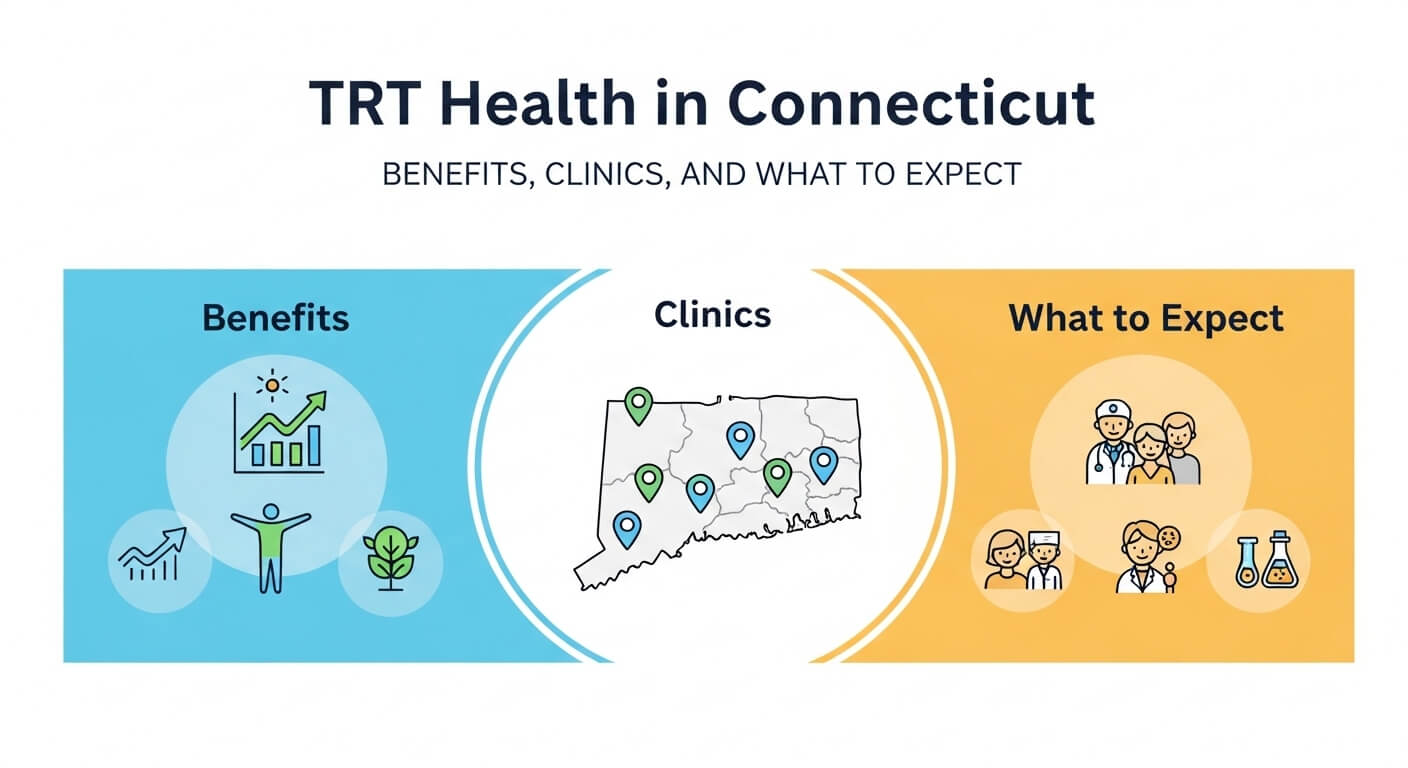
If you reside in the northeastern United States, finding specialized care can sometimes feel overwhelming. The healthcare landscape varies significantly depending on where you live. That is why understanding TRT Health in Connecticut is essential for anyone seeking relief.
This region offers numerous clinics specializing in hormone optimization and men’s wellness. However, navigating the options requires knowledge of local regulations and qualified providers. We need to look past the marketing hype and focus on medical evidence. This guide breaks down the reality of treatment options available right here in the Bay State.
The goal is not just to fix a number on a lab test but to restore your vitality. Properly managed therapy can transform how you feel from day to day. It involves a partnership between you and your medical provider to monitor progress.
Skipping steps in the process can lead to unnecessary risks or ineffective outcomes. Let’s explore the details so you can make informed decisions about your health. This information will help you find safe, effective care near your home.
Understanding Low Testosterone and Treatment Options

To understand the solution, we must first identify the problem accurately. Testosterone is a hormone primarily produced in the testes for men. It regulates muscle mass, bone density, red blood cell production, and sex drive. Levels naturally decline with age, typically dropping about one percent per year after thirty.
When this decline happens faster than normal, it creates a condition known as hypogonadism. Symptoms include chronic exhaustion, brain fog, and decreased libido.
Diagnosing this condition requires more than just a single blood draw. Doctors measure total and free testosterone levels in the morning when levels peak. They also check other markers like estrogen and SHBG to get a complete picture. Some clinics rush testing without considering the timing of the sample. This oversight can lead to false diagnoses or missed opportunities for treatment. Accurate diagnostics are the foundation of successful TRT Health in Connecticut.
Symptoms You Should Not Ignore
Many symptoms mimic other conditions like depression or thyroid dysfunction. It is easy to dismiss them as normal parts of aging over time. However, persistent low energy often signals an imbalance worth investigating. Mood swings and irritability can strain relationships with family members.
Muscle loss becomes noticeable even if your diet remains unchanged. These physical changes happen because the body loses its ability to build tissue efficiently.
Sexual health declines significantly when testosterone drops below optimal thresholds. Erectile dysfunction may occur alongside a lack of interest in intimacy. Sleep quality often suffers, creating a cycle of restlessness and fatigue. Wakefulness decreases as the day progresses, leading to daytime napping. Addressing these issues early prevents further metabolic and cardiovascular complications later. Ignoring the warning signs prolongs suffering unnecessarily.
How Diagnosis Works in the USA
Medical guidelines require rigorous protocols before prescribing any hormonal medication. Physicians must rule out secondary causes such as pituitary tumors or stress. They review your medical history for sleep apnea or obesity issues that affect hormones. Labs must be CLIA-certified to ensure accuracy of results nationwide. Connecticut hospitals adhere to these strict federal standards for patient safety. Without proper verification, treatment plans cannot be legally executed.
Insurance companies often require two separate morning tests to confirm low levels. Both values must fall below the reference range established by the Endocrine Society. Sometimes additional imaging is needed if levels are dangerously low. This thoroughness protects patients from taking medication they do not need. It ensures that only those with genuine medical deficits receive therapy.
The Role of State Regulations
Connecticut follows federal Food and Drug Administration guidelines for prescription medications. Testosterone is classified as a controlled substance in certain forms due to abuse potential. Prescribers must hold a valid license within the state to issue these scripts. Telemedicine laws vary by state, affecting how patients access care remotely. Connecticut has specific rules regarding remote prescribing of controlled substances. Knowing these rules helps you avoid unlicensed operators claiming to offer services.
Local pharmacies verify prescriptions against state databases before dispensing medication. This prevents doctors from filling multiple scripts across different locations illegally. Patients benefit from this security layer, which stops misuse of the drug. It also means legitimate clinics must maintain high compliance standards. Trustworthy providers prioritize following these regulations above speed or profit.
Navigating Medical Care Locally in Connecticut
Finding the right clinic involves research beyond just searching online maps. You want a facility that focuses on long-term management rather than quick fixes. Connecticut has a high concentration of private practices offering men’s health services.
Major cities like Hartford, New Haven, and Stamford host many specialized centers. Accessibility varies significantly between rural areas and urban hubs. You should check if travel time is manageable for monthly appointments.
Telehealth has expanded access for residents living far from major medical centers. Many CT-based physicians now offer virtual consultations for initial screenings. This convenience reduces the need for time off work for routine follow-ups. However, physical exams and blood draws usually remain mandatory onsite. Some hybrid models combine virtual visits with local phlebotomy partnerships. Understanding these logistics helps you plan your schedule effectively.
Finding Qualified Endocrinologists vs. Clinics
Endocrinologists specialize in hormone disorders and offer deep expertise in complex cases. They typically work within larger hospital systems affiliated with academic institutions. Their fees might be higher, but they handle comorbidities better.
Men’s health clinics often focus solely on testosterone and performance enhancement. They provide streamlined experiences tailored specifically to male physiology. Both paths are valid depending on your specific medical needs and insurance coverage.
Experience matters greatly when interpreting nuanced lab results. Look for board certification in your chosen specialist area. Ask how many years they have been treating low testosterone specifically. Veterans of the field tend to spot subtle variations in data more easily. Don’t hesitate to ask about their philosophy on dosing strategies during the consultation. Alignment between your goals and their approach prevents friction later.
Insurance Coverage and Costs in Connecticut
Health insurance plans differ widely in their policy on hormone replacement therapy. Some fully cover the cost if a diagnosis meets medical necessity criteria. Others classify it as cosmetic or elective and deny claims entirely. Private pay options exist for those whose plans do not support treatment. Prices fluctuate based on the dosage form selected like gels or injections. Budgeting ahead of time avoids surprise financial burdens mid-treatment.
Medicare covers testosterone replacement under specific clinical circumstances in CT. Medicaid programs vary by individual eligibility requirements set annually. Workplace benefits often include access to concierge medicine services. Review your Explanation of Benefits document carefully before starting therapy. Asking your HR department for guidance can reveal hidden discounts. Planning for costs ensures financial stability alongside health improvements.
| Coverage Type | Typical Coverage Level | Requirement |
|---|---|---|
| Traditional Insurance | 50-100% | Lab confirmation + Symptoms |
| PPO Plans | Variable | Network restrictions apply |
| FSA/HSA Funds | Often Allowed | Flexible Spending Account |
| Cash Pay | Full Price | No Insurance Verification Needed |
| Medicare Part D | Limited | Specific Formulary Requirements |
Telehealth vs. In-Person Visits
Virtual visits save time but cannot replace physical touch examinations completely. Doctors need to check lymph nodes and genitalia for abnormalities occasionally. In-person interactions allow for immediate blood collection at the office. This convenience reduces the risk of forgetting samples at home labs. Travel distance to the nearest lab becomes a minor logistical hurdle. Hybrid models balance both approaches to suit modern lifestyles best.
Remote consultations often lower overhead costs for the practice itself. Those savings might be passed down to patients through lower consultation fees. Digital records are easier to manage and update compared to paper files. Security measures protect your privacy during online video calls. Secure portals allow you to view lab results directly from your phone. Technology bridges gaps between patients and providers effectively.
Benefits and Potential Risks of Therapy

Patients who undergo supervised treatment often report significant improvements. Energy levels rebound within the first few weeks of consistent dosing. Physical strength increases noticeably with resistance training programs combined. Emotional stability improves as mood swings stabilize around baseline levels. Many describe feeling like themselves again for the first time in years. These qualitative changes often outweigh the quantitative lab numbers alone.
However, therapy is not without potential downsides requiring careful thought. Overdosing can lead to elevated red blood cells, causing thickening of the blood. Skin reactions occur frequently with topical gel applications if applied improperly. Sleep apnea may worsen if weight gain occurs alongside fluid retention. Regular monitoring mitigates these risks significantly over time. Transparency about side effects builds trust between patient and physician.
Positive Outcomes Reported by Patients
Most individuals notice better cognitive clarity shortly after normalization of levels. Focus sharpens, and memory recall improves as hormones balance internally. Libido returns to previous healthy baselines for many couples in therapy. Sexual function becomes reliable without the need for daily medication assistance. Physical appearance often shifts toward a leaner body composition. Muscle definition becomes visible despite maintaining previous activity levels.
Cardiovascular health metrics often improve alongside metabolic markers. Cholesterol profiles shift favorably in response to optimized hormone levels. Insulin sensitivity increases, reducing the risk of type two diabetes onset. Weight management becomes easier as metabolism functions at capacity again. Overall mortality rates are lower among well-managed patients with restored levels. These long-term benefits justify the commitment to ongoing care.
Safety Concerns and Monitoring Requirements
Blood work must be repeated every three to six months initially after starting. Hematocrit levels are tracked closely to prevent polycythemia risks. Liver enzymes are checked to ensure organ function remains stable throughout. Estrogen levels need to be balanced to prevent gynecomastia development over time. Prostate-specific antigen testing safeguards against prostate growth concerns. These checks ensure safety does not get sacrificed for efficacy gains.
Some men experience acne or hair thinning due to the conversion of testosterone. Managing skin care routines can mitigate cosmetic side effects effectively. Hair loss is genetic and accelerated by hormones regardless of treatment status. Consulting with dermatology specialists helps address these aesthetic issues early. Open communication allows adjustments to dosage schedules promptly. Never hide symptoms from your provider to avoid necessary intervention.
Long-Term Management Strategies
Therapy is often a lifelong commitment once diagnosed with primary hypogonadism. Stopping abruptly can cause withdrawal symptoms, including depression and fatigue. Consistency in application or injection timing maintains steady blood concentrations. Skipping doses creates peaks and valleys that disrupt hormonal equilibrium. Planning vacations around injection schedules keeps therapy seamless. Life events rarely interrupt the regimen permanently if planned well.
Lifestyle habits play a critical role in sustaining treatment success. Maintaining a healthy weight reduces the demand for exogenous hormones slightly. Quality sleep enhances natural recovery processes between treatments. Stress reduction techniques lower cortisol, which competes with testosterone production. Building a support network helps maintain accountability over decades. Success depends on integrating treatment into your broader health strategy.
Step-by-Step Process for Starting Treatment
Beginning the journey requires preparation and organization to reduce stress. You should gather all prior medical records before the first appointment. Past lab results help establish trends in your hormone levels over time. Having this information speeds up the diagnostic timeline significantly. Bring a list of current medications to avoid dangerous interactions during assessment. Preparation demonstrates seriousness about managing your health responsibly.
Initial Consultation and Blood Work
Schedule an appointment with a provider experienced in men’s health specifically. Expect questions about your sleep quality and energy patterns initially. Discuss any family history of prostate cancer or heart disease openly. The doctor will order comprehensive blood panels to confirm the diagnosis definitively. Samples are usually drawn early in the morning before breakfast. Results typically return within a few business days for review.
During the second visit, the physician reviews findings with you personally. They explain the implications of the data in plain language understandable to all. If eligible, they present treatment options tailored to your lifestyle preferences. You discuss potential side effects and realistic expectations for improvement together. Signing informed consent documents ensures legal and ethical standards are met. This partnership sets the stage for successful collaboration moving forward.
Choosing Your Delivery Method
Options include transdermal gels, pellets, injections, or patches. Gels offer daily consistency but risk transferring to others if not washed off. Pellets require minor surgery twice a year but provide constant release levels. Injections give control over dose timing but cause peak-trough fluctuations. Patches are less common now due to skin irritation issues frequently reported. Discuss the pros and cons based on your daily routine carefully.
Convenience often dictates adherence success more than efficacy differences. Pick the method that fits seamlessly into your morning shower routine. For travelers, injectable forms eliminate the need for refrigerated storage. Pellet implants are discreet but require waiting periods for healing. Cost per delivery method varies significantly across insurance plans. Financial feasibility plays a major role in the final selection for most families.
Setting Up Follow-Up Appointments
Routine check-ins usually happen three months after initiating therapy. Blood tests verify levels stay within therapeutic ranges established earlier. Dosage adjustments are made based on these precise measurements taken. Appointments become less frequent once stability is achieved over a year. Annual physical exams ensure overall health remains robust during treatment. Sticking to this schedule prevents complications from going unnoticed.
Digital reminders sent via email or text help keep track of upcoming visits. Calendar synchronization works well with busy work schedules common here. Missing appointments delays monitoring, which could mask adverse effects. Rescheduling tools make it easy to find new slots if conflicts arise. Automated systems reduce administrative burden for both clinics and patients alike. The organization ensures continuity of care without lapses in service.
Common Mistakes and Expert Advice

Even well-intentioned patients make errors that hinder treatment outcomes. Assuming that higher doses always equal faster results is a common trap. Excess testosterone converts to estrogen or stays unused by the body harmfully. Supraphysiological levels increase the strain on the cardiovascular system significantly. Stick to the prescribed range rather than chasing personal extremes independently. Patience yields sustainable results compared to aggressive rushing tactics.
Many neglect the importance of lifestyle changes alongside medical intervention. Exercise acts as a catalyst that amplifies the benefits of testosterone replacement. Poor nutrition undermines the effectiveness of the medication being taken. Alcohol consumption interferes with the liver’s processing of hormones and supplements. Ignoring these modifiable factors limits the potential ceiling of your therapy. A holistic approach combines medical and behavioral strategies.
Avoiding Unregulated Online Providers
Internet advertisements often promise instant cures with minimal oversight required. Legitimate clinics require in-person exams before writing prescriptions for controlled substances. Be wary of providers willing to prescribe without checking medical history thoroughly. Verify that the pharmacy receiving the script is licensed and verified. Legitimate suppliers ship only to states where they are permitted to operate legally. Protect yourself from scams targeting desperate customers online.
Counterfeit hormones are a real danger in unmonitored markets. Fake vials often contain incorrect dosages or dangerous contaminants. Using these products can damage your liver and kidney function permanently. Purchase medications only from licensed compounding pharmacies under supervision. Reputable sources source ingredients from certified vendors globally. Always read third-party safety reviews before committing financially to any shipment.
Lifestyle Factors That Support Therapy
Sleep hygiene dictates how well your body utilizes the medication provided. Aim for seven to eight hours of uninterrupted rest every single night. Deep sleep phases are when natural repair mechanisms activate most actively. Establish a calming bedtime routine that reduces blue light exposure hours before bed. Caffeine intake should stop by noon to preserve circadian rhythm quality. Restorative sleep maximizes the efficacy of every gram of testosterone introduced.
Strength training promotes endogenous hormone production and receptor sensitivity. Compound movements like squats engage large muscle groups needing fuel. Progressive overload ensures muscles continue adapting to the increased hormone environment. Cardiovascular exercise supports heart health, which is vital for blood circulation. Balance resistance work with active recovery days to prevent burnout consistently. Movement reinforces the biological changes medication induces.
| Factor | Recommended Action | Frequency |
|---|---|---|
| Sleep Duration | 7+ Hours | Nightly |
| Protein Intake | 1.6g per kg body weight | Daily |
| Resistance Training | Heavy lifting or bodyweight | 3x Weekly |
| Hydration | 3 Liters Minimum | Daily |
| Alcohol | Limit Intake | Occasional |
When should emergency help be sought immediately? Chest pain, severe shortness of breath, or sudden vision changes signal danger. Signs of stroke, like slurred speech or arm weakness, require calling 911 instantly. Swelling in the legs or abdomen suggests fluid retention is becoming critical. These rare events necessitate immediate medical attention to prevent catastrophe. Do not wait to see if symptoms resolve on their own.
Final Thoughts on Empowering Your Health Journey
Recovering lost vitality through TRT Health in Connecticut is a realistic goal for many. It restores a sense of youthfulness and engagement with life without shortcuts. The process requires patience and dedication to monitoring your progress regularly.
Finding a compassionate provider makes the journey much smoother emotionally. You deserve to feel capable and energetic in your daily interactions. Taking control of your hormones empowers you to shape your future positively.
Consultation is the first step toward reclaiming that lost spark in your existence. Education equips you with the knowledge to question and verify every recommendation. Do not settle for treatments that do not align with your personal values.
Advocate for yourself to ensure your health needs are fully met. With the right support system in place, lasting change is absolutely achievable. Your best years are still ahead of you if you act today.
This path leads to greater longevity and a higher quality of living overall. Consistent care turns biological potential into tangible daily victories. Stay committed to the plan even when motivation wanes initially.
Small steps accumulate into monumental transformations over the course of months. Embrace the possibility of renewed strength and mental clarity confidently. Health is an investment that pays dividends for decades to come.