Introduction
Most people take their ability to walk or lift a grocery bag for granted until it becomes difficult. Your body relies on intricate systems to generate movement every single day without conscious thought. This biological engine is made of millions of fibers designed to contract and release force. Without this vital tissue, you would lack the strength to stand upright or even maintain posture. Understanding how this system works empowers you to optimize your physical performance throughout life.
This guide covers the essential aspects of muscle biology, growth, and preservation for anyone seeking better health. We will explore how these tissues differ from fat or bone and why they are central to longevity. Safety and realistic expectations form the core of this discussion regarding training and nutrition. You deserve clarity before investing time and effort into changing your lifestyle. Let’s discover how to build a stronger foundation for your future self.
The Three Types of Muscle Tissue and Their Roles

Your anatomy includes three distinct categories of muscle tissue that serve different purposes. Skeletal muscle attaches to bones and allows voluntary movement like running or typing. Smooth muscle lines internal organs such as the stomach and blood vessels to regulate flow. Cardiac muscle makes up the heart wall and pumps blood continuously without tiring. Each type responds differently to exercise, stress, and aging processes.
Skeletal muscle accounts for roughly forty percent of your total body weight in adults. This percentage varies based on genetics, activity levels, and dietary habits. It is the only type capable of generating a significant external force against resistance. When you think about building power or shape, this is the specific tissue in question. Managing the health of this portion has the biggest impact on your daily vitality.
Skeletal Movement and Stability
Your skeleton provides the rigid framework while muscles supply the動力 needed to move it. Tendons act as connectors that transfer energy from contraction to joint movement. Without adequate tension in the tendons, stability around joints decreases significantly. Good muscle balance prevents injuries like sprains or tears during sudden movements. Strengthening antagonistic muscle groups ensures joints remain protected under load.
Posture depends heavily on deep stabilizing muscles rather than large superficial ones. Weak abs and back extensors lead to slouching, which compresses spinal discs over time. Chronic pain often stems from an imbalance between opposing muscle groups in the torso. Corrective exercises help align the body properly for long-term structural integrity. Prioritizing functional movement patterns mimics real-world activities accurately.
Internal Functions Beyond Motion
Smooth muscle operates automatically to keep your digestion and circulation functioning smoothly. It moves food through your intestines via rhythmic contractions known as peristalsis. Blood pressure regulation relies on these vessels expanding or narrowing as needed. Disruption in these involuntary actions can lead to severe digestive or cardiovascular issues. Medical conditions often target these areas when medication fails to correct symptoms directly.
Cardiac muscle is unique because it never rests and requires a constant fuel supply. Oxygen delivery to the heart itself happens through the coronary arteries surrounding the tissue. Damage here results in heart attacks, which compromise the entire circulatory system’s efficiency. Regular aerobic activity strengthens this muscle similarly to how weight training affects limbs. A healthy heart supports higher performance across all other muscle groups simultaneously.
How Muscle Drives Metabolism and Weight Management
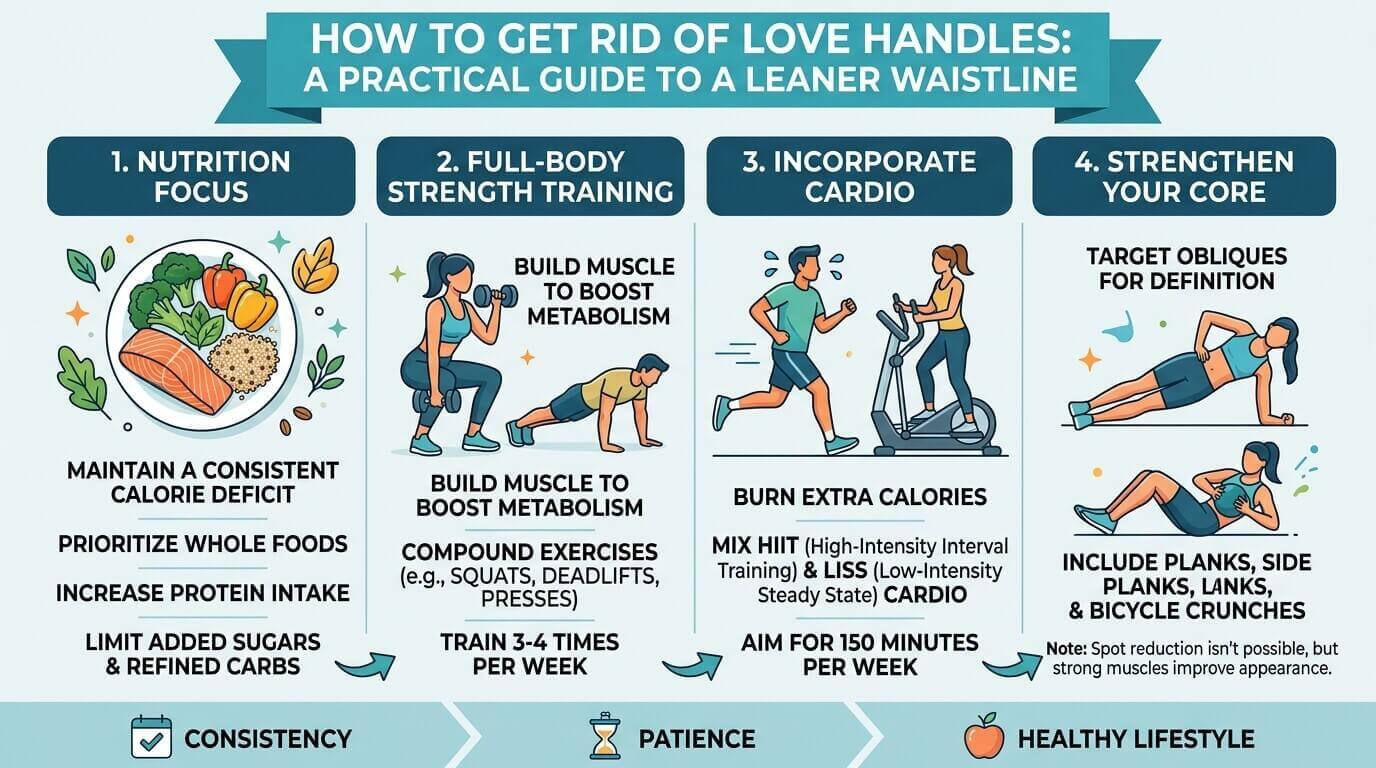
Many individuals focus solely on cardio machines to lose excess body fat quickly. They overlook the fact that muscle tissue burns calories even while resting completely. This metabolic rate increases significantly with each pound of lean mass added to the frame. Sedentary lifestyles accelerate weight gain because the body consumes less energy overall. Increasing muscle density combats this slowdown effect effectively.
Statistics indicate that men and women lose approximately five percent of muscle mass every decade after age thirty. This decline contributes to higher body fat percentages even if weight remains stable visually. You might look the same size but have less density due to shrinking muscle fibers. Replacing lost tissue boosts your basal metabolic rate for sustained calorie burning. This shift helps manage weight without strict dietary restrictions alone.
Calorie Expenditure Differences
A pound of muscle burns slightly more calories at rest compared to a pound of fat. However, the real benefit comes from the energy required to maintain and repair the tissue. After intense training sessions, your body continues burning elevated amounts for hours or days. This phenomenon is called the oxygen consumption debt and aids long-term fat reduction goals. Creating a deficit becomes easier when your baseline expenditure rises naturally.
The thermic effect of food also plays a role in how proteins are processed by the system. Digestion and assimilation of amino acids require more energy than carbohydrates or fats do. Consuming adequate protein fuels this process while preserving existing lean tissue stores. Meal timing strategies can further optimize this metabolic window for maximum benefit. Planning meals around workouts enhances nutrient absorption rates significantly.
Hormonal Regulation Benefits
Lean mass influences several hormones responsible for mood and recovery regulation. Testosterone and growth hormone levels correlate positively with increased muscle volume and strength. Low levels of these hormones often accompany loss of tissue during aging phases. Engaging in heavy compound movements triggers a robust hormonal response beneficial for overall health. Balancing these chemicals protects against depression and fatigue commonly reported later in life.
Insulin sensitivity improves as muscle cells become more efficient at storing glucose. High insulin resistance leads to dangerous spikes in blood sugar levels associated with diabetes. Exercising muscles creates receptors that pull sugar out of the bloodstream more readily. This mechanism prevents Type 2 diabetes progression in many individuals independently of weight loss. Keeping the system responsive reduces chronic disease risk factors substantially.
Practical Steps to Build and Preserve Muscle Mass

Building and maintaining tissue requires a multi-faceted approach involving movement and diet. One strategy alone rarely produces lasting results over extended periods of time. You must combine consistent training with proper fueling and sufficient sleep cycles. Neglecting any single pillar can stall progress regardless of how hard you train physically. Structure your week to allow recovery between challenging sessions effectively.
Tracking your efforts helps identify plateaus where adjustments are necessary immediately. Log your lifts, meal composition, and sleep quality to spot trends clearly. Small changes accumulate rapidly when consistency is maintained over months or years. Patience is required because visible changes often lag behind physiological improvements internally. Trust the process even when the mirror does not reflect progress yet.
Training Protocols for Hypertrophy
Resistance training stimulates the fibers to grow larger and stronger through adaptation signals. Progressive overload means increasing weight, reps, or sets gradually over time safely. Without challenging the tissue past its comfort zone, it has no reason to rebuild. Aim for eight to twelve repetitions per set for optimal size development, usually. This range balances mechanical tension with metabolic stress efficiently.
Compound exercises like squats and deadlifts recruit multiple muscle groups simultaneously. Isolation movements like curls target specific fibers for aesthetic refinement later. Start with compounds to build a base before isolating weak points individually. Rest periods between sets should match your goal: sixty seconds for endurance or three minutes for pure strength. Hydration levels affect performance significantly during these high-intensity bursts.
Nutrition Essentials for Recovery
Protein is the fundamental building block required for repairing micro-tears in tissue. Adults generally need about one to two grams per kilogram of body weight daily. Distribute this amount evenly across four or five meals to maximize synthesis rates. Whey supplements offer convenience, though whole foods provide additional micronutrients beneficially. Timing intake near workouts may enhance uptake slightly, depending on individual tolerance levels.
Carbohydrates replenish glycogen stores depleted during rigorous exercise sessions initially. Fat intake supports hormone production essential for repair and regulatory functions. Micronutrients like Vitamin D and Magnesium assist in calcium handling for contractions. Deficiencies in these areas can limit growth potential despite adequate protein consumption. Blood tests help identify gaps before they become performance-limiting factors.
| Nutrient | Role in Muscle Function | Daily Target (Avg Adult) |
|---|---|---|
| Protein | Tissue Repair & Growth | 0.8g to 1.2g per kg |
| Carbs | Energy Source | 3-5g per kg active |
| Fats | Hormonal Support | 20-35% of total calories |
| Water | Transport & Lubrication | 2-3 Liters minimum |
Recovery Rhythms and Sleep
Growth occurs primarily during rest states rather than during the actual workout session. Deep sleep releases pulses of human growth hormone critical for tissue regeneration nightly. Skipping sleep reduces testosterone levels and impairs cognitive function related to motor control. Aim for seven to nine hours of uninterrupted rest to support recovery demands fully. Naps can supplement nighttime rest but do not replace it entirely.
Stretching and foam rolling improve blood flow to stiff areas for faster healing. Active recovery days involve light walking or swimming to flush out waste products. Listening to your body prevents overuse injuries from developing unnoticed early on. Soreness lasting longer than three days suggests excessive damage needing attention. Dial back intensity slightly until full mobility returns completely.
Common Errors That Stall Progress

Even experienced enthusiasts make mistakes that hinder advancement toward their goals. Assuming more volume always equals better results leads to burnout quickly. Quality of movement trumps quantity of weight lifted or reps performed repeatedly. Poor form shifts stress to ligaments instead of the intended muscle targets. Joint pain often serves as an early warning sign of technique breakdown.
Dietary restriction too aggressively causes muscle loss alongside unwanted fat reduction. Severe caloric deficits signal starvation mode where the body breaks down tissue for fuel. Maintain a slight surplus or maintenance level while trying to gain mass first. Cutting too hard compromises strength gains and recovery capabilities unnecessarily. Sustainable pacing beats aggressive bursts followed by crashes eventually.
Ignoring Progressive Overload
Many beginners stick to the same weight and rep scheme for months without change. The body adapts to stress quickly and stops responding if the load remains static. You must track numbers carefully to ensure incremental increases happen consistently. Adding two pounds or one rep each week creates a compounding effect over time. Without this challenge, stagnation occurs inevitably within a few weeks.
Focusing only on mirrors rather than objective strength metrics is another trap. Feeling strong does not guarantee actual gains if data shows otherwise. Use a journal app or notebook to record every session detail accurately. Objective feedback provides truth when subjective feelings become unreliable over time. Adjust plans based on data points rather than emotional fluctuations alone.
Neglecting Flexibility and Mobility
Rigid muscles restrict range of motion and limit force production during lifts. Tight hamstrings prevent deep squatting, which limits glute engagement significantly. Incorporating dynamic stretching before training prepares the nervous system for activation. Static stretching is better saved for post-workout cooling down phases specifically. Balance work enhances proprioception and coordination alongside raw strength output.
Preserving Power As You Age

Maintaining mass becomes increasingly difficult as years pass and biology shifts. Sarcopenia refers to the natural loss of tissue associated with aging processes. Starting intervention in your twenties or thirties builds a larger reserve bank for later years. Prevention starts earlier than most people realize when planning for longevity. Genetics play a role but lifestyle choices account for the majority of variance observed.
Women face higher risks of osteoporosis when muscle mass drops rapidly after menopause. Bone density relies on the pull of attached muscles to stay strong structurally. Weight bearing exercise stimulates bone growth alongside muscle hypertrophy benefits. Combining these practices reduces fracture risk significantly in older populations worldwide. Staying mobile preserves independence much longer than sedentary habits ever could.
Adapting Workouts Later in Life
Joint health dictates modifications to traditional lifting styles as we age. Switching to machines or bands reduces shear forces on vulnerable structures safely. Lower intensity with higher volume may be preferable to heavy maximal loads. Pain-free movement should always take priority over lifting heavy ego-driven weights. Listen closely to sensory input from your body before deciding next steps.
Recovery windows widen considerably, requiring more rest between demanding sessions. Sleep hygiene becomes even more critical for managing inflammation levels effectively. Cardiovascular fitness supports blood flow to damaged areas for faster healing times. Cross-training keeps the heart healthy while sparing specific joints from repetitive strain. Variety prevents overuse injuries from forming cumulatively over years of training.
Expert Insights and Final Takeaways
Successful training programs blend science with practical application for consistent results. Muscle is not just about aesthetics, but survival and metabolic health fundamentally. Neglecting its maintenance invites frailty and dependency as time passes inevitably. Prioritizing protein intake ensures the bricks are available to build the structure correctly. Movement frequency keeps the machinery lubricated and ready for action anytime needed.
Your commitment today determines your freedom tomorrow regarding physical capability. Small investments compound over decades to create massive dividends in quality of life. Avoid quick fixes and embrace sustainable habits that fit your lifestyle permanently. Education empowers you to make smarter decisions without falling for marketing gimmicks. Knowledge protects you from unnecessary injury and wasted effort along the way.
Start by assessing your current baseline honestly and without judgment right now. Set realistic goals that challenge you without overwhelming your capacity for execution. Track progress methodically to see improvements that the eye cannot immediately perceive. Stay consistent even when motivation dips and rely on discipline instead of feelings. This approach guarantees long-term success regardless of external circumstances encountered.