1. What Does DoctorHub360.com Amino Acids Mean?
When people search for doctorhub360.com amino acids, they are usually looking for clear and simple information about amino acids, how they work, and why they matter for health. Amino acids are not just something bodybuilders talk about in gyms.
They are important for everyone, including students, workers, athletes, older adults, and people who simply want to feel stronger and healthier. Your body uses amino acids every day to build and repair tissues, support the immune system, make enzymes, and keep many normal body processes working. Understanding amino acids can help you make better choices about food, fitness, and supplements.
2. What Are Amino Acids?
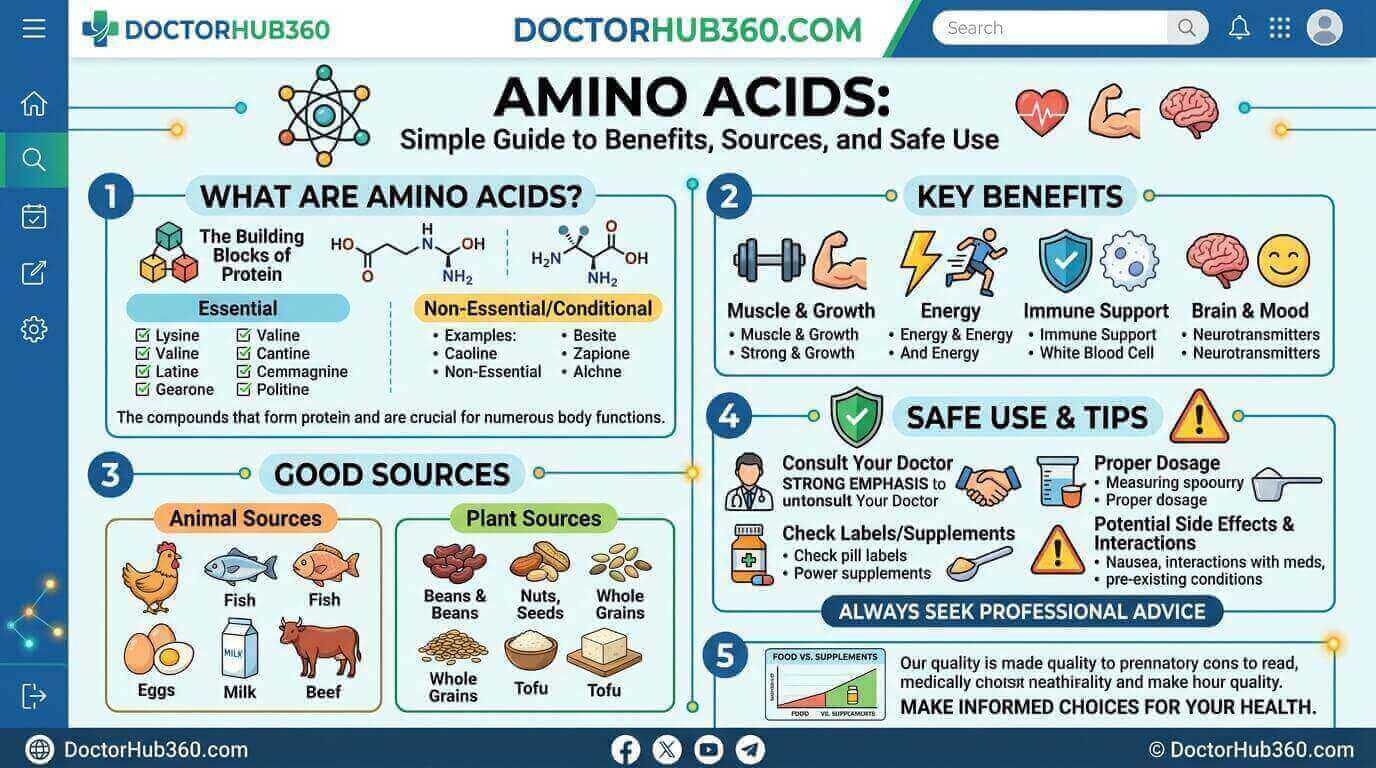
Amino acids are natural compounds that join together to form proteins. Protein is one of the most important nutrients in the human body. Your muscles, skin, organs, hair, nails, and even some hormones depend on protein.
Think of amino acids like small bricks. When many bricks are joined together, they create a strong wall. In the same way, amino acids join together to create proteins that your body needs. Without enough amino acids, your body may struggle to repair itself, grow properly, and keep energy levels steady.
3. Why Amino Acids Are Important for the Body

Amino acids are important because they support many jobs inside the body. They help build muscle, repair damaged tissue, support brain chemicals, improve recovery after exercise, and help the immune system work well.
They also help make enzymes, which are substances that help chemical reactions happen inside your body. Some amino acids are used to make neurotransmitters, which are brain messengers that affect mood, sleep, memory, and focus. This is why the topic of doctorhub360.com amino acids is useful for people who want to understand health simply and practically.
4. Essential Amino Acids Explained
Essential amino acids are amino acids your body cannot make on its own. This means you must get them from food or supplements. There are nine essential amino acids: histidine, isoleucine, leucine, lysine, methionine, phenylalanine, threonine, tryptophan, and valine.
These amino acids are needed for growth, repair, immune support, and muscle health. If your diet does not provide enough essential amino acids, your body may not work at its best. Eating enough high-quality protein is one of the easiest ways to make sure your body gets these important nutrients.
5. Non-Essential Amino Acids Explained
Non-essential amino acids are amino acids your body can make by itself. This does not mean they are not important. It only means your body can produce them when needed, as long as it has the right nutrients and energy.
Examples include alanine, asparagine, aspartic acid, glutamic acid, and serine. These amino acids help with energy, brain function, metabolism, and cell health. Even though your body can make them, eating a balanced diet still supports their production and helps your body stay strong and active.
6. Conditional Amino Acids and When They Matter
Conditional amino acids are usually made by the body, but during stress, illness, injury, or intense exercise, the body may need more than it can produce. Examples include arginine, glutamine, cysteine, tyrosine, glycine, proline, and ornithine.
These amino acids may become more important when the body is healing or under pressure. For example, glutamine is often discussed for gut and immune support, while arginine is linked with blood flow. However, supplements are not always needed for everyone, and it is best to speak with a healthcare professional if you have a medical condition.
7. Amino Acids and Muscle Growth
One of the most popular reasons people search for doctorhub360.com amino acids is muscle growth. Muscles are made mostly of protein, and protein is made from amino acids. When you exercise, especially during strength training, small muscle fibers break down.
Your body then uses amino acids to repair and rebuild those fibers, making them stronger over time. Leucine, one of the essential amino acids, is especially known for helping start muscle protein building. But muscle growth does not depend on one amino acid alone. You need enough total protein, enough calories, proper training, rest, and consistency.
8. Amino Acids and Exercise Recovery
After a hard workout, your body needs time and nutrients to recover. Amino acids can help repair muscle tissue and reduce the feeling of extreme tiredness after exercise. This is why many athletes and active people pay attention to protein intake.
Eating protein after exercise can provide amino acids that support recovery. Foods like eggs, chicken, fish, yogurt, beans, tofu, and lentils can all help. Supplements may be useful for some people, but they should not replace real food. A good meal plan is often more powerful than relying only on powders or capsules.
9. Amino Acids and Energy Levels
Amino acids can also play a role in energy. While carbohydrates and fats are the body’s main energy sources, amino acids help support metabolism and the body’s ability to use nutrients. Some amino acids can be used for energy when the body needs them, especially during long exercise or low-calorie diets.
However, if someone feels tired all the time, amino acids may not be the only answer. Poor sleep, low iron, stress, dehydration, thyroid problems, and other health issues can also cause fatigue. It is always wise to look at the full picture of health.
10. Amino Acids and Brain Health
The brain uses amino acids to make important chemical messengers. For example, tryptophan is connected to serotonin, a chemical linked with mood and sleep. Tyrosine is linked with dopamine and norepinephrine, which are related to focus, motivation, and alertness.
This does not mean taking amino acid supplements will automatically fix mood or brain problems. The brain is complex, and mental health depends on sleep, stress, nutrition, relationships, movement, and medical care when needed. Still, getting enough protein through food is one simple way to support normal brain function.
11. Best Food Sources of Amino Acids
The best way to get amino acids is through protein-rich foods. Animal foods such as eggs, milk, yogurt, fish, chicken, turkey, beef, and cheese usually contain all essential amino acids. These are often called complete proteins.
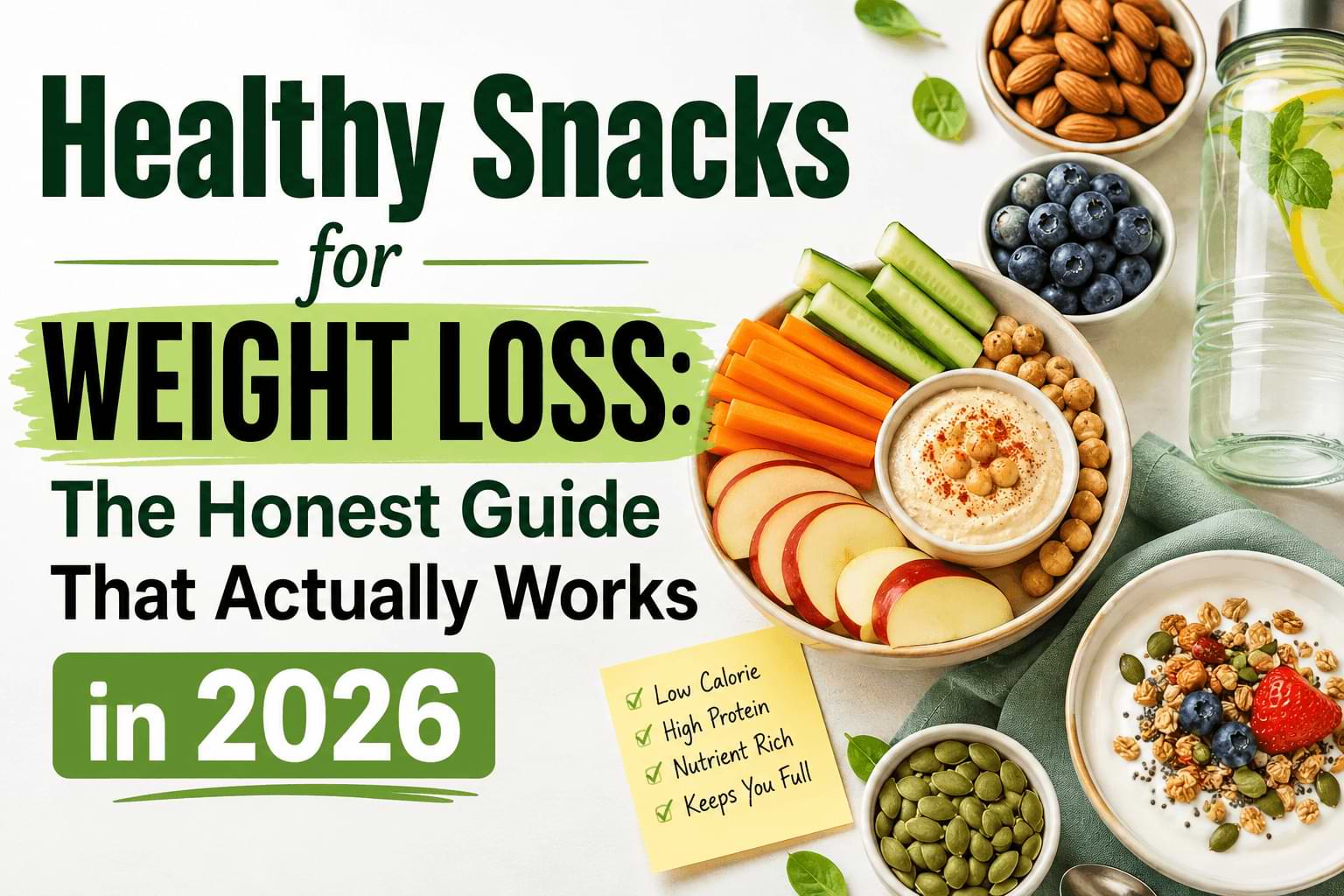
Plant foods can also provide amino acids, including beans, lentils, chickpeas, tofu, tempeh, nuts, seeds, quinoa, oats, and whole grains. Some plant proteins may be lower in one or more essential amino acids, but eating a variety of plant foods during the day can help meet your needs. A balanced diet is the foundation of good amino acid intake.
12. Complete and Incomplete Proteins
A complete protein contains all nine essential amino acids in good amounts. Most animal proteins are complete, and some plant foods, such as soy, quinoa, and buckwheat, are also complete. Incomplete proteins are lower in one or more essential amino acids.
This does not mean they are bad. It simply means you may need to combine different foods over the day. For example, rice and beans together provide a better amino acid balance than either one alone. This is helpful for vegetarians, vegans, and anyone who wants more plant-based meals.
13. Amino Acid Supplements: Do You Need Them?

Many people see amino acid supplements online and wonder if they need them. The answer depends on your diet, health goals, activity level, and medical condition. If you already eat enough protein from food, you may not need extra amino acids.
However, athletes, people with low appetite, older adults, or those with special nutrition needs may benefit from extra protein or amino acid support. Supplements should be used carefully because more is not always better. Before taking supplements every day, it is smart to ask a doctor, dietitian, or pharmacist for advice.
14. BCAAs and EAAs: What Is the Difference?
BCAAs stand for branched-chain amino acids. They include leucine, isoleucine, and valine. These amino acids are popular because they are linked with muscle recovery and exercise performance. EAAs stand for essential amino acids, which include all nine essential amino acids.
In simple words, BCAAs are only three amino acids, while EAAs give a wider range. Many experts believe that EAAs or complete protein sources may be more useful than BCAAs alone because the body needs all essential amino acids to build protein properly. This is an important point in any doctorhub360.com amino acids guide.
15. Amino Acids for Weight Management
Amino acids may support weight management because protein helps people feel full for longer. When meals include enough protein, you may feel less hungry and have fewer cravings. Protein also helps protect muscle during weight loss, which is important because muscle supports a healthy metabolism.
Still, amino acids are not magic weight-loss pills. Healthy weight management depends on balanced meals, portion control, regular movement, sleep, and long-term habits. If a supplement promises fast fat loss with no effort, it is best to be careful and check the facts before buying.
16. Amino Acids for Skin, Hair, and Nails
Your skin, hair, and nails all need protein. Collagen, keratin, and elastin are proteins that help give structure and strength to these parts of the body. Amino acids help build these proteins.
For example, glycine and proline are connected with collagen, while cysteine is important for keratin. A diet too low in protein may lead to weak nails, hair shedding, or slow wound healing in some people. Of course, skin and hair health also depend on vitamins, minerals, hormones, hydration, age, and genetics. Amino acids are one part of the bigger health picture.
17. Signs You May Not Be Getting Enough Protein
Some signs of low protein intake may include weakness, slow recovery, frequent hunger, low muscle mass, thinning hair, brittle nails, swelling, and poor wound healing. However, these signs can also happen for many other reasons. That is why self-diagnosis can be risky.
If you think you are not getting enough protein or amino acids, start by reviewing your daily meals. Ask yourself if each meal has a protein source. If symptoms continue, speak with a healthcare provider. A simple nutrition review or blood test may help find the real cause.
18. Safe Use of Amino Acid Supplements
Amino acid supplements can be safe for many healthy adults when used as directed, but they are not right for everyone. People with kidney disease, liver disease, pregnancy, breastfeeding, or serious health conditions should speak with a doctor before using them.
Some supplements may also interact with medicines or may not be tested for quality. Always read the label, follow the recommended dose, and avoid mixing many supplements at once. Choose trusted brands and avoid products that make extreme claims. Safe use is more important than fast results.
19. How Much Protein Do You Need Daily?
Protein needs are different for each person. They depend on body size, age, activity level, fitness goals, and health status. A less active adult may need less protein than an athlete or someone trying to build muscle.
Older adults may also need more protein to help protect muscle as they age. Instead of guessing, it can help to include a good protein source with every meal. Examples include eggs at breakfast, chicken or beans at lunch, yogurt as a snack, and fish or tofu at dinner. This simple habit often improves amino acid intake naturally.
20. Common Myths About Amino Acids
There are many myths about amino acids. One myth is that only bodybuilders need them. In truth, everyone needs amino acids because everyone needs protein. Another myth is that supplements are always better than food.
Real foods provide protein plus vitamins, minerals, fiber, and healthy fats. A third myth is that taking more amino acids always gives better results. The body can only use what it needs, and too much may cause problems for some people. A smart approach is to focus on balanced meals first and supplements only when needed.
Final Thoughts
The topic of doctorhub360.com amino acids is important because amino acids are the basic building blocks of health. They support muscles, recovery, energy, brain function, skin, hair, nails, and immune health.
The best way to get them is through a balanced diet with enough protein from both animal and plant foods. Supplements can help some people, but they should be used carefully and not as a replacement for healthy meals. If you are unsure about your protein needs, have a medical condition, or want to use amino acid supplements, speak with a qualified healthcare professional for personal advice.