Introspection
Love handles—those stubborn pockets of fat that sit just above your hips—can be one of the most frustrating areas to address when trying to improve your physique. Despite their affectionate name, there is nothing particularly lovable about them, especially when your favorite jeans no longer fit the way they used to.
If you have been searching for effective strategies on how to get rid of love handles, you are not alone. Millions of people struggle with this specific type of body fat, and the truth is, spot reduction is largely a myth. However, with the right combination of diet, exercise, and lifestyle changes, you can significantly reduce the appearance of love handles and build a stronger, leaner core. This guide will walk you through everything you need to know to tackle this challenge head-on.
Understanding What Love Handles Really Are
Before you can effectively address love handles, it is important to understand what they are and why they develop. Love handles are deposits of subcutaneous fat, which is the fat that sits just beneath the skin, around your obliques and lower back. Unlike visceral fat, which surrounds your internal organs and poses more serious health risks, subcutaneous fat is more visible and cosmetic in nature, though it can still be stubborn.
The body stores fat in different areas based on genetics, hormones, and lifestyle factors. For many people, the waistline is one of the first places fat accumulates and one of the last places it leaves. This is because the body tends to store energy in areas that are less metabolically active, and the obliques and lower back fit that description. Understanding this helps set realistic expectations—getting rid of love handles requires overall fat loss, not just targeted exercises.
The Role of Diet in Reducing Love Handles

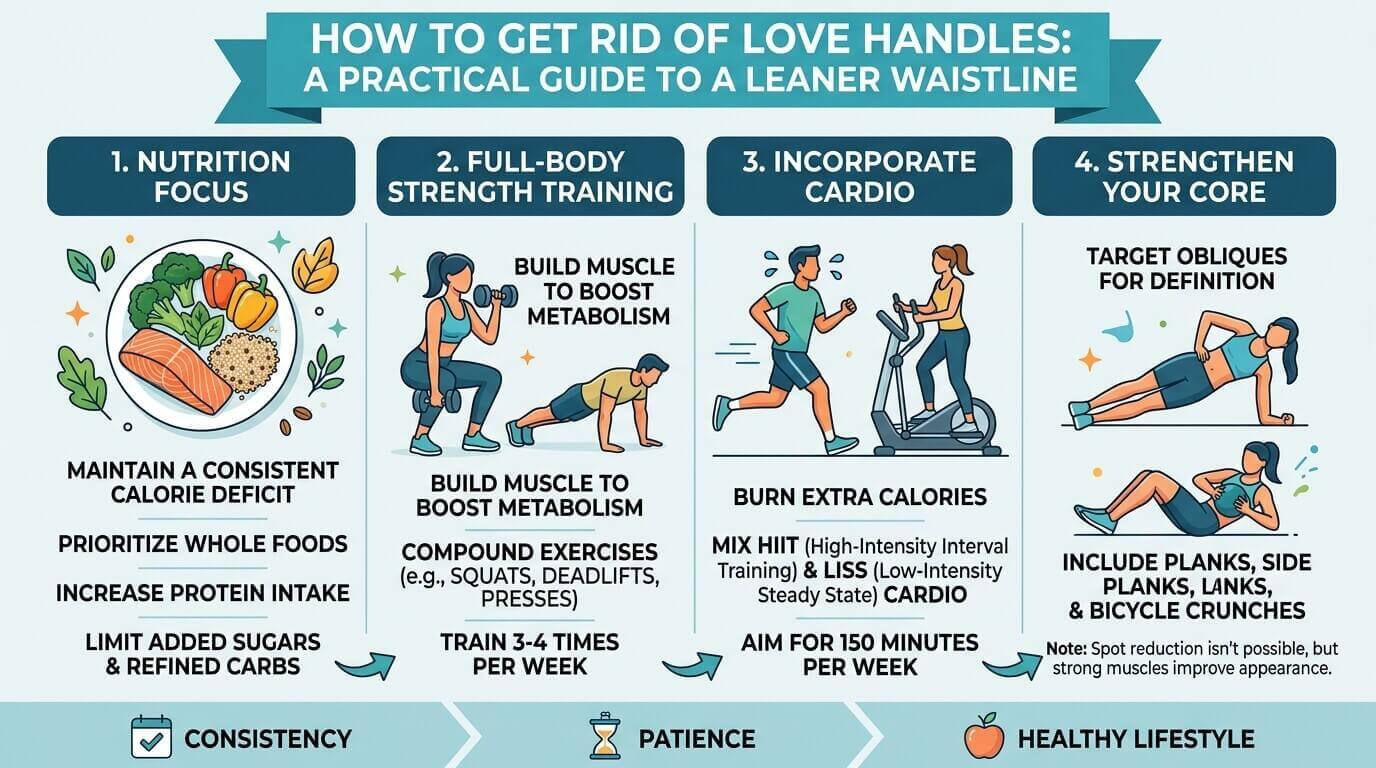
When it comes to learning how to get rid of love handles, diet is arguably the most important factor. You cannot out-exercise a bad diet, and no amount of crunches or side planks will make a difference if you are consuming more calories than you burn. The foundation of fat loss is creating a caloric deficit, which means you need to consume fewer calories than your body uses in a day. However, this does not mean you should starve yourself or follow extreme diets.
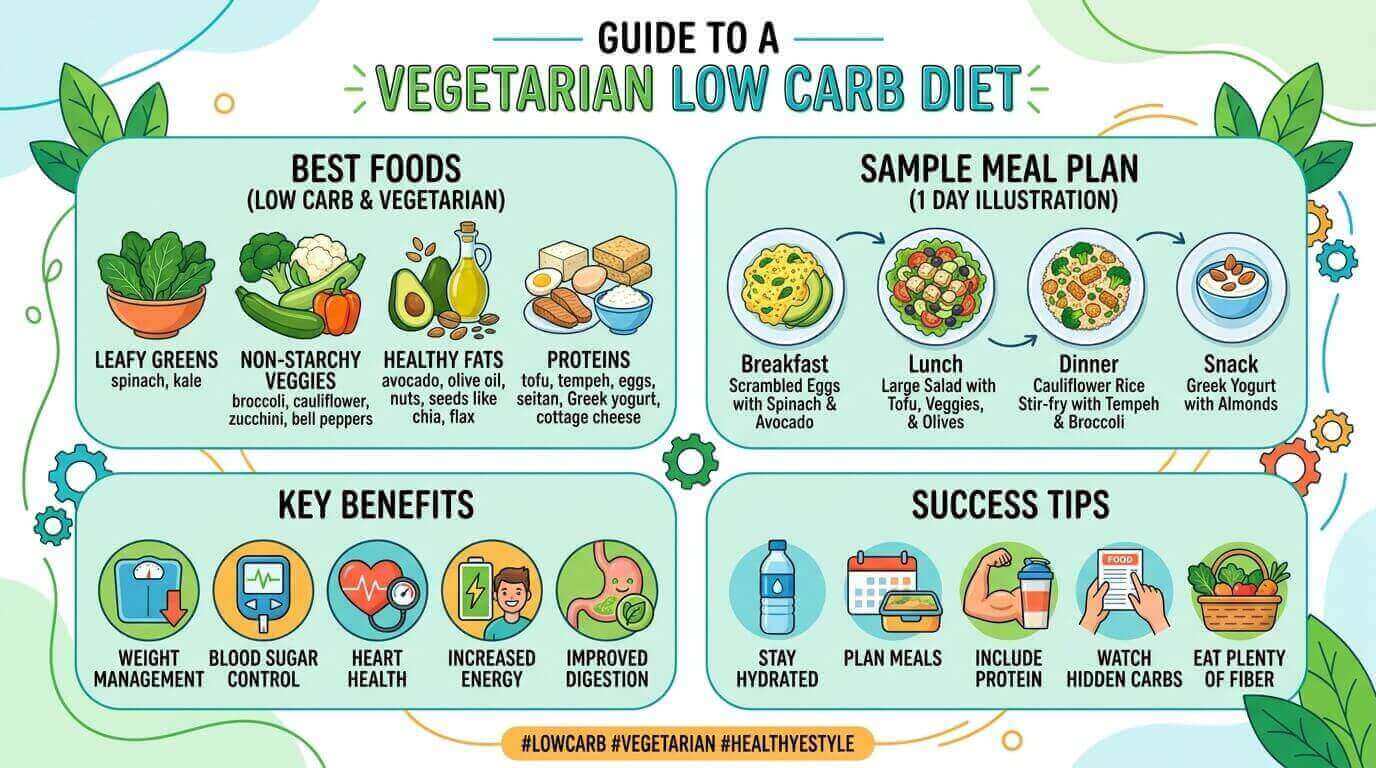
Instead, focus on eating whole, nutrient-dense foods that keep you satisfied and fuel your body properly. Prioritize lean proteins like chicken, fish, and tofu, which help preserve muscle mass while you lose fat. Include plenty of vegetables, which are low in calories but high in fiber, helping you feel full. Healthy fats from sources like avocados, nuts, and olive oil are also important, as they support hormone function and satiety. Reducing your intake of processed foods, added sugars, and refined carbohydrates is crucial, as these foods can spike your insulin levels and promote fat storage, particularly around the midsection.
Why Calorie Counting Matters
While some people prefer intuitive eating, tracking your calories can be an eye-opening experience, especially if you have never done it before. Many people underestimate how much they are eating, and small, seemingly harmless snacks can add up quickly throughout the day.
When you start tracking your food intake using an app or a simple journal, you gain a clearer picture of where your calories are coming from. This awareness allows you to make informed choices and adjust your diet accordingly.
To create a caloric deficit, you typically want to aim for a reduction of 300 to 500 calories per day, which can lead to a safe and sustainable weight loss of about one pound per week. However, it is important not to cut calories too drastically, as this can slow your metabolism and lead to muscle loss. Find a balance that allows you to lose fat gradually while still feeling energized and strong.
The Importance of Cardiovascular Exercise
Cardiovascular exercise is a key component when learning how to get rid of love handles because it helps you burn calories and create the deficit needed for fat loss. Activities like running, cycling, swimming, or even brisk walking elevate your heart rate and increase your energy expenditure.
The more calories you burn, the more fat you can lose, including the fat around your waistline. Aim for at least 150 minutes of moderate-intensity cardio per week, or 75 minutes of vigorous-intensity cardio, as recommended by health organizations. You can break this up into manageable sessions—perhaps 30 minutes a day, five days a week. If you are new to exercise, start slowly and gradually increase the intensity and duration as your fitness improves.
High-intensity interval training, or HIIT, is particularly effective for fat loss because it keeps your metabolism elevated even after your workout is over, a phenomenon known as the afterburn effect.
Strength Training to Build Lean Muscle
While cardio helps you burn calories, strength training is essential for building muscle and boosting your metabolism. Muscle tissue is more metabolically active than fat tissue, which means the more muscle you have, the more calories you burn at rest. This makes strength training a powerful tool in your quest to get rid of love handles.
Focus on compound movements that engage multiple muscle groups, such as squats, deadlifts, lunges, and rows. These exercises not only build muscle but also burn a significant number of calories during the workout. Aim to strength train at least two to three times per week, targeting all major muscle groups.
Do not worry about getting bulky—building muscle actually helps create a lean, toned appearance. Additionally, a strong core supports your entire body and improves your posture, which can make your midsection look slimmer even before you lose significant fat.
Core Exercises That Target the Obliques
While you cannot spot-reduce fat, strengthening your obliques can help tone the muscles underneath, giving you a more defined waistline once the fat layer decreases. Effective exercises for the obliques include side planks, Russian twists, bicycle crunches, and woodchoppers.
Side planks are particularly effective because they engage the entire core, including the obliques, and require no equipment. To perform a side plank, lie on your side with your forearm on the ground and your body in a straight line.
Hold this position for 30 to 60 seconds, then switch sides. Russian twists involve sitting on the ground with your knees bent, leaning back slightly, and rotating your torso from side to side while holding a weight or medicine ball. These exercises, when combined with overall fat loss strategies, can help sculpt a more defined midsection.
The Impact of Stress on Belly Fat
Stress is an often-overlooked factor that can contribute to the accumulation of love handles. When you are stressed, your body releases a hormone called cortisol, which can promote fat storage, particularly in the abdominal area.
Chronic stress can also lead to emotional eating and cravings for high-calorie, sugary foods, which further exacerbate the problem. Learning how to get rid of love handles means addressing stress as part of your overall lifestyle. Incorporate stress-reduction techniques into your daily routine, such as meditation, deep breathing exercises, yoga, or simply taking time to do activities you enjoy.
Ensuring you get enough sleep is also crucial, as poor sleep is linked to higher cortisol levels and increased appetite. Aim for seven to nine hours of quality sleep each night to support your fat loss efforts.
Hydration and Its Role in Fat Loss
Drinking enough water is a simple yet powerful tool in your journey to reduce love handles. Water helps your body function optimally, supports digestion, and can even boost your metabolism slightly. Additionally, staying hydrated helps control hunger, as thirst is often mistaken for hunger.
Drinking a glass of water before meals can help you feel fuller and prevent overeating. Aim to drink at least eight glasses of water a day, or more if you are active or live in a hot climate. Avoid sugary drinks like soda and juice, as they add empty calories and can contribute to weight gain. If you find plain water boring, try adding a slice of lemon, cucumber, or fresh mint for flavor.
The Truth About Spot Reduction
One of the biggest misconceptions in fitness is the idea of spot reduction—the belief that you can lose fat from a specific area of your body by targeting it with exercises. Unfortunately, this is not how the body works. When you lose fat, it comes off from all over your body in a pattern determined by your genetics and hormones.
You cannot choose to lose fat only from your love handles by doing endless side bends or oblique crunches. The key to reducing love handles is to lower your overall body fat percentage through a combination of diet, cardio, and strength training. As you lose fat overall, the love handles will gradually diminish. This is why it is so important to focus on comprehensive lifestyle changes rather than looking for quick fixes or targeted solutions.
Common Mistakes to Avoid

Many people make mistakes that hinder their progress when trying to lose love handles. One common error is relying solely on ab exercises and neglecting the importance of diet and cardio. Another mistake is cutting calories too drastically, which can slow your metabolism and lead to muscle loss.
Some people also give up too soon, expecting rapid results in a matter of weeks. Fat loss, especially in stubborn areas, takes time and consistency. Avoid fad diets or extreme workout programs that promise quick results, as these are often unsustainable and can lead to burnout or injury. Instead, focus on building healthy habits that you can maintain long-term. Be patient with yourself and celebrate small victories along the way.
Tracking Your Progress Effectively
Measuring your progress is important to stay motivated and make necessary adjustments to your plan. However, the scale is not the only—or even the best—way to track progress. Muscle weighs more than fat, so you might be losing inches while the number on the scale stays the same or even goes up.
Take measurements of your waist, hips, and other areas every few weeks, and take progress photos in the same lighting and clothing. Pay attention to how your clothes fit and how you feel in your body. These are often more accurate indicators of progress than the scale alone. Keeping a journal of your workouts, meals, and how you feel can also help you identify patterns and stay accountable.
The Role of Genetics
It is important to acknowledge that genetics plays a role in where you store fat and how easily you lose it. Some people naturally carry more fat in their midsection, while others store it in their hips or thighs. While you cannot change your genetics, you can work with what you have by focusing on the factors you can control—your diet, exercise, and lifestyle.
Accept that your body may not look exactly like someone else’s, and that is okay. The goal is to be the healthiest, strongest version of yourself, not to conform to an unrealistic ideal. Celebrate your body for what it can do, and appreciate the progress you make, no matter how small.
Staying Consistent Over Time
Consistency is the single most important factor when learning how to get rid of love handles. Results do not come from a single workout or a week of clean eating—they come from showing up day after day, making healthy choices, and staying committed to your goals even when progress feels slow.
There will be days when you do not feel motivated, and that is normal. The key is to push through those moments and stick to your plan. Find ways to make your routine enjoyable, whether that is working out with a friend, trying new healthy recipes, or listening to your favorite music during cardio. The more you enjoy the process, the easier it will be to stay consistent. Remember, sustainable fat loss is a marathon, not a sprint.
Final Thoughts
Learning how to get rid of love handles is not about following a magic formula or finding a secret exercise. It is about committing to a healthier lifestyle that includes balanced nutrition, regular exercise, stress management, and adequate sleep.
By creating a caloric deficit, building lean muscle, and staying consistent, you will gradually reduce body fat and see the results you want. Be patient with yourself, trust the process, and remember that every small step you take brings you closer to your goal. Your body is capable of amazing things, and with the right approach, you can achieve a leaner, stronger, and healthier version of yourself.