Introduction
Most women enter a gym expecting to run on a treadmill or do endless hours of cardio. They often believe lifting heavy objects will make them look bulky or cause injuries. That fear keeps many potential strength athletes away from barbells and dumbbells for years.
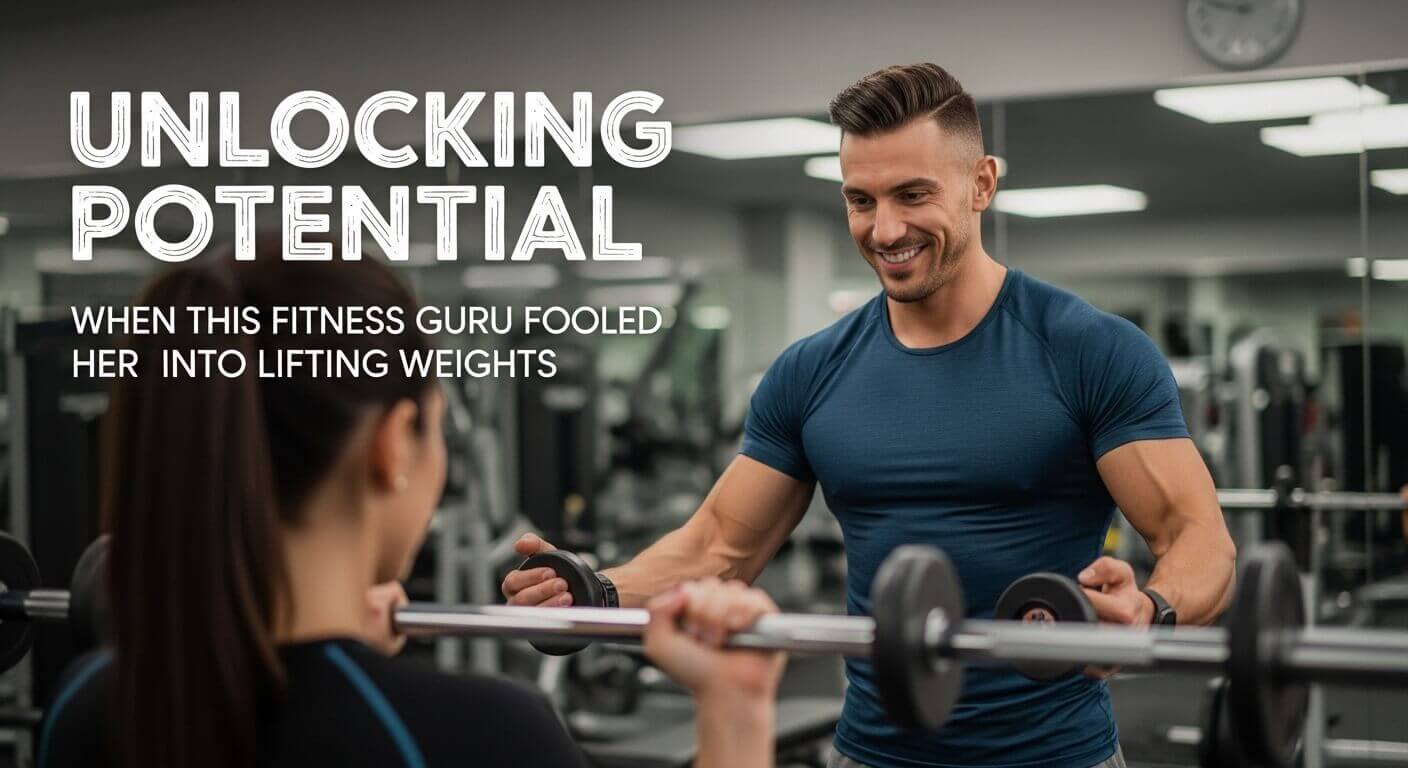
One specific story illustrates how breaking that mental barrier can permanently change everything. You have likely heard tales where this fitness guru fooled her into lifting weights without her realizing it at first. It was not a lie about the equipment but a clever shift in how she viewed the activity itself.
She thought she was participating in a high-intensity dance class focused on fun movements. The trainer incorporated resistance bands and bodyweight squats into every routine seamlessly.
By the end of the eight-week program, her strength metrics had doubled compared to her starting point. She felt empowered without ever feeling overwhelmed by traditional gym pressure. This approach highlights the power of psychological framing in physical training outcomes. We will explore exactly how these techniques work and why they matter for your own journey.
Understanding the psychology of exercise adherence is just as important as knowing the biology of muscle growth. Many people quit programs simply because they feel intimidated or bored with the process.
When you remove the pressure of tracking reps, performance often improves naturally. The goal here is sustainable progress rather than short-term intense suffering. Let’s look at the details that successfully turned a reluctant participant into a strength enthusiast.
Understanding the Psychology Behind the Resistance

Fear is often the biggest barrier preventing women from engaging in serious strength training. Studies show that nearly sixty percent of female gym-goers worry about gaining unwanted muscle mass. This myth persists despite scientific evidence proving otherwise for most genetic profiles. Testosterone levels differ significantly between genders, making extreme bulk impossible without steroids. Recognizing this fact is the first step toward dismantling self-imposed limitations on effort.
Social conditioning plays a massive role in shaping perceptions of the female physique. Media images often glorify leanness while demonizing muscularity or visible definition. Many individuals internalize these messages until they view strength as a negative trait. Avoidance becomes a coping mechanism to protect their self-image and social standing. Overcoming this requires a supportive environment that celebrates capability over appearance.
Societal Expectations and Gym Culture
Traditional gym atmospheres can feel hostile to those new to the iron game. Loud music, shouting, and grunting create a competitive energy that feels exclusionary. Beginners often worry about judgment if they struggle with a specific weight selection. This anxiety leads to staying in comfort zones consisting primarily of cardiovascular machines. The lack of community support exacerbates feelings of isolation during workouts. Changing the narrative starts with finding spaces designed for inclusivity and education.
Some trainers actively try to foster camaraderie among members regardless of their fitness level. Small group sessions often build stronger bonds than individual solitary efforts. Shared struggles create a sense of belonging that keeps people coming back consistently. When you see others progressing alongside you, motivation spikes significantly. This collective energy is what helped the story begin.
The Importance of Autonomy in Training
People are more likely to stick to routines they feel ownership over completely. Telling someone exactly what to do without explaining the purpose can breed resentment. Allowing clients to choose their path within parameters encourages independence. They feel respected rather than commanded by an authority figure. This dynamic shift was central to how the guru approached her new client initially.
When autonomy is prioritized, compliance happens willingly instead of forced obedience. The client asked questions and sought understanding rather than blind adherence. Trust built quickly between the trainer and the trainee during this period. Mutual respect lays the foundation for long-term success in any partnership. Without trust, even the best program will fail to produce consistent results.
How This Fitness Guru Fooled Her Into Lifting Weights
The methodology used was subtle and focused entirely on enjoyment rather than pain. Traditional cues like “five sets of ten” were removed from the vocabulary immediately. Instead, the sessions were structured around games and functional challenges requiring stability. Moving objects across a room felt like play rather than labor-intensive work. This reframing disguised the resistance component within activities already familiar to her.
She did not realize she was squatting until the trainer challenged her to jump higher. Pushing against a wall transformed into a playful test of endurance against gravity. Each exercise required core engagement and balance without explicit instructions. The focus remained on the fun interaction between her and her partner. By the time the realization struck, the work was already done effectively.
Gamification of Resistance Training
Turning workouts into competitions lowers the perception of effort required internally. Points are awarded for completing a task correctly rather than lifting maximum loads. This system rewards consistency and form over raw strength numbers initially. Scores track progress objectively without making personal measurements a stress point. Players compete against themselves to beat their previous scores each week.
Leaderboards motivate users to return for the next session to maintain status rankings. Social validation reinforces positive behavior loops associated with exercise habits. The dopamine hit from achieving a small goal drives further participation eagerly. Fun becomes the primary incentive for showing up to the gym regularly. This strategy kept her engaged when boredom would have usually set in fast.
Reframing the Goal Setting Process
Standard goals like “lose five pounds” often fail to sustain long-term motivation effectively. Outcome-based targets disconnect the daily effort from the immediate reward system. Process goals focus on actions taken during the session instead of future results. Did you complete all the rounds? Was your form maintained throughout the duration? These questions measure effort controllably rather than waiting weeks for scale changes.
Her initial goal shifted from aesthetics to mastering a specific skill sequence. Learning to move a load safely gave her tangible proof of capability. Confidence grew with every successful completion of a complex movement pattern. Strength became a side effect of acquiring the new skill she wanted to learn. This subtle pivot eliminated the pressure to conform to societal beauty standards immediately.
The Hidden Physiological Benefits Realized

Once the mental block was removed, the physical adaptations happened rapidly. Muscles responded to the new stimuli with increased density and metabolic efficiency. She noticed her clothes fitting differently despite no major diet changes occurring. Energy levels improved significantly due to better sleep quality and recovery cycles. The body began utilizing fuel sources more efficiently for sustained activity periods.
Bone density increased noticeably over the six-month monitoring period. Weight-bearing stress triggers osteocytes to strengthen skeletal structures automatically. This reduction in fracture risk is crucial as women age past menopause. Cardiovascular health markers showed improvement alongside the musculoskeletal gains. Her resting heart rate dropped, indicating better overall cardiovascular function.
| Benefit | Initial State | After Six Months | Impact |
|---|---|---|---|
| Max Squat Weight | 45 lbs | 110 lbs | Increased Stability |
| Resting Heart Rate | 78 bpm | 62 bpm | Better Cardiac Health |
| Sleep Quality | Poor | Excellent | Improved Recovery |
| Mood Score | Low | High | Reduced Anxiety |
| Flexibility Score | 5/10 | 8/10 | Injury Prevention |
Metabolic Rate Adjustments
Building lean tissue elevates the basal metabolic rate for the entire day. Even while sleeping, your body burns more calories to maintain that extra muscle mass. This effect continues for up to forty-eight hours after intense resistance sessions. Fat loss accelerates when coupled with adequate protein intake and hydration. You do not need to spend hours on cardio machines to see body composition shifts.
Appetite regulation also improves with regular strength training interventions. Hormones like ghrelin and leptin adjust to signal hunger more accurately. Cravings for sugary snacks decrease as blood sugar stabilizes throughout the day. Eating becomes a conscious decision rather than a reactive response to deprivation. This control supports maintenance efforts without constant calorie-counting struggles.
Hormonal Balance and Stress Reduction
Exercise acts as a potent tool for managing cortisol levels in the bloodstream. High cortisol contributes to abdominal fat storage and immune suppression negatively. Moderate lifting helps lower baseline stress hormones significantly during rest periods. Cortisol management improves skin health and reduces inflammation markers generally. Better hormonal balance translates to clearer skin and fewer mood swings.
Sleep architecture improves with consistent physical exertion before bedtime. Deep sleep phases become longer, allowing for better cellular repair overnight. Memory consolidation occurs more effectively when sleep quality reaches optimal levels. Waking up feeling refreshed impacts productivity for hours after morning routines start. This cycle reinforces the habit loop, making workouts easier to schedule daily.
Step-by-Step Guide to Replicating the Approach
You do not need a specialized guru to implement these principles in your own life. Starting small ensures you maintain the momentum needed for long-term adherence. The key is removing the intimidation factor associated with heavy equipment initially. Begin with light resistance and focus purely on movement patterns before adding load.
Phase One: Assessment and Trust Building
Schedule a consultation with a trainer who listens to your concerns openly. Share your fears about bulking or injury honestly during the first meeting. Ask about their philosophy regarding progressive overload and safety measures. Verify that they prioritize form and function over vanity-based aesthetic goals. This step ensures alignment before you commit financial resources to their services.
Observe their interactions with other clients to gauge teaching style compatibility. Look for patience and enthusiasm when correcting minor technical errors publicly. A good instructor explains the “why” behind every cue given to students. Watching them teach builds confidence that you will be handled similarly well. Trust is the currency that purchases longevity in fitness journeys.
Phase Two: Implementing Indirect Challenges
Start with bodyweight movements that mimic resistance exercises in daily life. Walking lunges require balance and leg strength without needing external weights. Carrying groceries up stairs mimics the hip hinge motion found in deadlifts. Use household items like water jugs for safe grip and load training scenarios. This gradual exposure desensitizes you to the presence of heavier objects later.
Introduce resistance bands for upper body pulling and pushing variations. Anchor them securely to doorframes or underfoot for stability options. Focus on maintaining tension throughout the entire range of motion carefully. Count reps only when the tension remains consistent during the contraction phase. This technique prevents cheating momentum from reducing muscle engagement levels significantly.
Phase Three: Monitoring Non-Scale Victories
Track improvements in energy, sleep, and mood rather than just weight numbers. Keep a journal noting how clothes fit and how tasks feel easier physically. Celebrate milestones like carrying groceries without fatigue after a long day. Photograph your posture monthly to visualize alignment changes visually over time. These indicators provide motivation when the scale refuses to move downward temporarily.
Review progress quarterly to adjust difficulty levels based on current capabilities. If you feel too easy, increase the load or complexity of the movement slowly. If you feel soreness lasting more than four days, reduce volume immediately. Listening to pain signals prevents burnout and long-term overuse injuries from developing early. Adaptability keeps the training fresh and effective for months ahead.
Common Mistakes People Make During Transition
Many individuals rush the process by ignoring foundational stability requirements initially. Jumping straight into heavy loads often leads to compensation patterns that strain joints. Proper warm-up routines are essential for preparing connective tissues for stress. Skipping this phase increases the likelihood of strains and soft tissue damage significantly. Take ten minutes to mobilize joints before lifting anything substantial at all.
Another frequent error involves comparing progress directly to others in the gym. Genetics plays a large role in how quickly individuals respond to training stimuli. Your timeline will not match someone else regardless of the effort or dedication invested. Focus on beating your personal best instead of competing against strangers constantly. Comparisons steal joy and lead to frustration rather than growth in performance metrics.
Neglecting Recovery Protocols
Muscles grow during rest periods rather than during the actual workout session itself. Sleep deprivation negates the hormonal benefits of intense physical exertion regularly. Overtraining symptoms include persistent fatigue and decreased motivation levels quickly. Schedule rest days explicitly into your weekly calendar as non-negotiable appointments. Active recovery, like walking or swimming, helps flush waste products effectively.
Nutritional timing affects how well you recover between demanding sessions. Protein synthesis rates peak shortly after exercise concludes, specifically. Consuming a meal containing protein within two hours maximizes repair potential. Hydration status also influences nutrient transport to damaged tissues throughout the body. Water intake supports circulation, which delivers oxygen to working muscles continuously.
Underestimating the Role of Nutrition
Diet is often overlooked as a secondary factor in strength development processes. Without sufficient calories, the body cannot build new tissue efficiently enough. Starvation diets prevent muscle growth regardless of how hard you train daily. Fueling properly allows the body to adapt to the stress applied during sessions positively. Track your food intake to ensure macronutrient needs are met consistently.
Micronutrients like Vitamin D and Magnesium facilitate calcium absorption for bone health. Deficiencies in these areas can stall progress even with perfect programming. Supplementation may be necessary if dietary intake is insufficient for specific needs. Consult a doctor before starting any new supplement regimen involving high doses. Safety should always take precedence over the speed of results obtained.
Expert Tips for Safe and Sustainable Growth

Consistency beats intensity when trying to build a lifelong fitness habit reliably. Showing up for twenty minutes three times a week yields better results than sporadic marathons. Routine creates familiarity that reduces friction in the decision-making process daily. Treat your workouts like important business meetings that cannot be rescheduled easily. Commitment to the schedule outweighs occasional bursts of motivation fading away.
Find a community that aligns with your values regarding health and wellness. Support groups offer encouragement during difficult phases when motivation wanes. Accountability partners keep you honest when you feel tempted to skip sessions. Sharing successes amplifies the positive reinforcement inherent in social interactions. Connection makes the lonely act of exercise a shared celebration of progress made.
Leveraging Technology for Feedback
Wearables track heart rate variability to indicate readiness for intense effort levels. Data from these devices provides objective feedback on your recovery status. Use apps to log workouts and visualize trends over weeks or months continuously. Visual graphs make progress undeniable even when subjective feelings suggest stagnation. Numbers confirm effort even when mirrors do not show immediate changes.
Video analysis tools allow you to review the form from angles you cannot see yourself. Filming a set on your phone reveals imbalances missed during execution immediately. Slow playback helps identify timing errors in complex movement patterns accurately. Self-correction based on visual data speeds up learning curves drastically compared to guessing. Objective feedback loops accelerate mastery faster than intuition alone ever could.
| Habit | Frequency | Benefit |
|---|---|---|
| Morning Mobility | Daily | Joint Health |
| Protein Consumption | Every Meal | Muscle Repair |
| Sleep Duration | 7+ Hours | Hormone Regulation |
| Social Check-in | Weekly | Motivation Boost |
| Rest Days | 2x Weekly | CNS Recovery |
Adapting to Life Changes
Work schedules and family responsibilities fluctuate unpredictably over time. Rigid programs fail when life throws curveballs unexpectedly into the mix. Build flexibility into your training plan to accommodate travel or illness gracefully.
Shorter workouts are better than skipped sessions when time is scarce. Twenty minutes of focused intensity outperforms zero minutes of procrastination easily.
Modify exercises to suit limited space or available equipment during busy periods. Calisthenics require no equipment yet offer significant stimulus for strength gains. Resistance bands fit easily in bags for hotel room workouts while traveling.
Maintain the movement patterns rather than getting hung up on specific weights used. Consistency adapts to context rather than forcing the same routine blindly everywhere.
Final Thoughts
The story of how this fitness guru fooled her into lifting weights teaches us that entry barriers are mostly mental. Removing the stigma allows natural human potential to emerge organically over time. Once the initial hurdle is cleared, discipline takes over to maintain the gains achieved.
Strength is a gift you give yourself that lasts a lifetime beyond physical changes. Embrace the journey with curiosity rather than fearing the unknown pitfalls involved.
True empowerment comes from knowing your body can handle significant loads without breaking. You possess more resilience than you currently believe is possible. Trust the process even when the results are not immediately visible to the naked eye.
Progress compounds quietly beneath the surface before it manifests visibly outward. Your commitment today determines the freedom you enjoy in later years.
Start today by choosing one movement that scares you slightly less than yesterday. Seek guidance from professionals who prioritize your long-term health over quick fixes. Surround yourself with people who cheer for your ability to grow stronger physically.
The world needs more women to be comfortable moving with power and intention confidently. You belong in the gym regardless of your starting size or current abilities.