Introduction
Every woman’s body tells a unique story, and understanding your specific body shape is one of the most empowering things you can do for your confidence, your wardrobe, and your overall sense of self. The spoon body shape, sometimes called the triangle or pear shape, is one of the most common and naturally beautiful body types found among women worldwide, yet it remains widely misunderstood and often misrepresented in fashion and media.
If you’ve noticed that your hips are noticeably wider than your shoulders, that your lower body tends to carry more weight than your upper body, and that your waist is well-defined compared to your curves below, you might have a spoon body shape that deserves celebration rather than concealment.
This comprehensive guide explores everything you need to know about the spoon body shape, from understanding its defining characteristics and health implications to discovering the most flattering clothing choices, exercise strategies, and confidence-building approaches that help you embrace and enhance the beautiful figure you were born with.
What Exactly Is the Spoon Body Shape
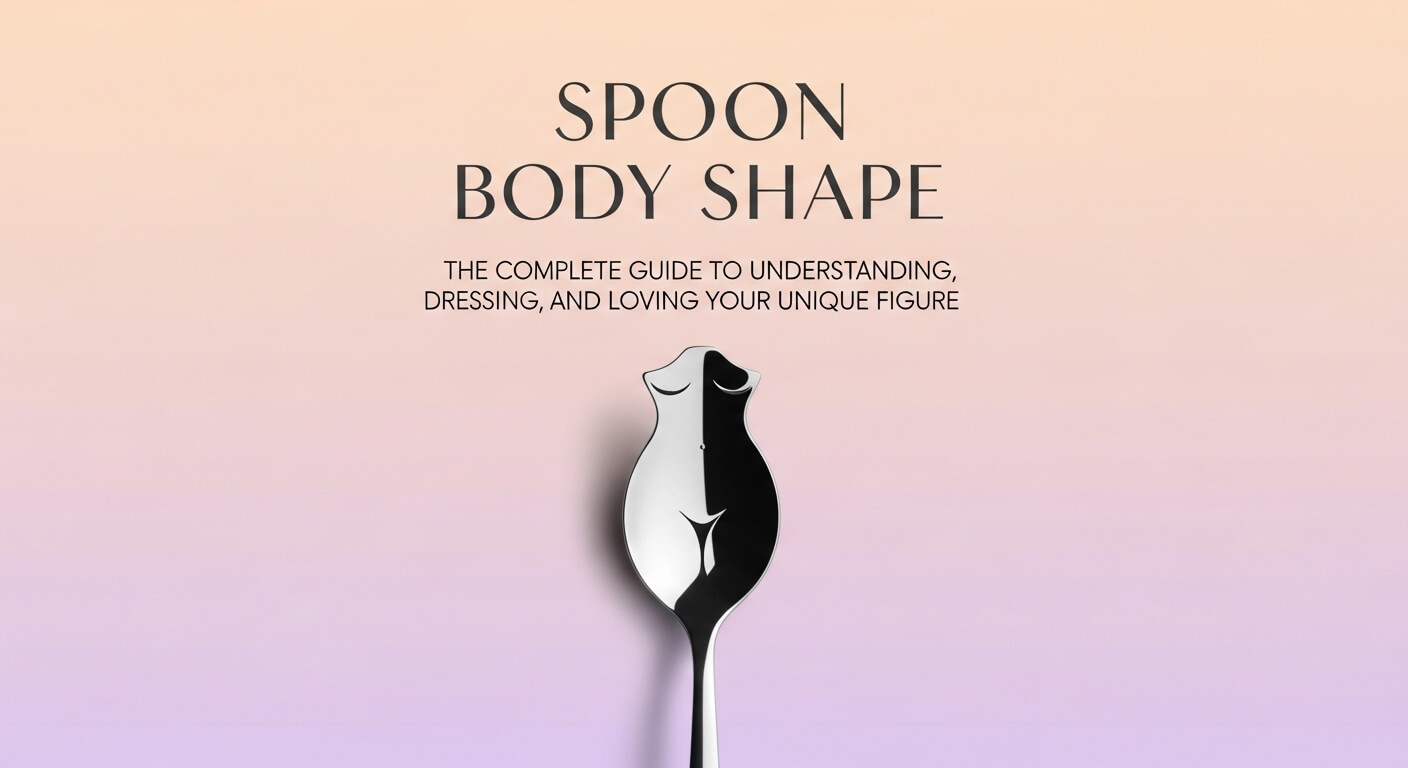
The spoon body shape is characterized by a distinctly lower-heavy silhouette where the hips and thighs are noticeably wider than the shoulders and bust, creating a beautiful curved profile that resembles the shape of a spoon when viewed from the front. Women with this body type typically have a well-defined waist that creates a clear separation between their upper and lower body, with the most dramatic width occurring at the hip area rather than at the shoulders or bust.
The lower body, including the hips, thighs, and sometimes the buttocks, carries more volume and weight compared to the upper body, which tends to be more slender and narrow with smaller shoulders and a moderate to smaller bust size.
This body shape falls under the broader pear-shaped category but has its own distinctive characteristics, including a more pronounced hip-to-shoulder ratio and a tendency to store fat primarily in the lower body, particularly in the hip and thigh area, while the upper body remains relatively lean regardless of overall body weight.
How to Identify If You Have a Spoon Body Shape

Determining whether you have a spoon body shape involves examining the proportional relationship between your shoulders, bust, waist, and hips rather than focusing on specific measurements or overall body weight.
Stand in front of a full-length mirror wearing fitted clothing or undergarments and observe your silhouette from the front, noting whether your hips appear significantly wider than your shoulders and whether your lower body carries noticeably more volume than your upper body. Take measurements of your shoulders at their widest point, your bust at the fullest part, your natural waist at its narrowest point, and your hips at the widest part of your hip bones, then compare these numbers.
If your hip measurement is two or more inches larger than your shoulder measurement, your waist is well-defined, and your upper body appears proportionally smaller than your lower body, you likely have a spoon body shape. The spoon body shape also tends to become more apparent during weight gain, as additional pounds typically accumulate in the hips, thighs, and buttocks rather than being distributed evenly throughout the body.
The Science Behind Body Shape Distribution
Understanding why your body develops a spoon shape rather than another silhouette involves biology, genetics, and hormones working together to determine where your body stores fat and how your skeleton develops. Estrogen, the primary female sex hormone, plays a crucial role in directing fat storage toward the hips, thighs, and buttocks, which explains why the spoon body shape is predominantly a female phenomenon that becomes more pronounced during reproductive years.
This hormonal fat distribution pattern actually served an evolutionary purpose, as fat stored in the lower body provides energy reserves during pregnancy and breastfeeding while placing minimal strain on the cardiovascular system compared to abdominal fat storage. Genetics determines your skeletal structure, including shoulder width, pelvic width, and the overall frame upon which muscle and fat are distributed, meaning your basic body shape is largely predetermined by your DNA, regardless of diet or exercise.
Research published in the International Journal of Obesity confirms that body fat distribution patterns are highly heritable, with studies suggesting that approximately 50 to 60 percent of where your body stores fat is determined by genetic factors rather than lifestyle choices.
Health Implications of the Spoon Body Shape
Interestingly, the spoon body shape carries certain health advantages that distinguish it from other body types, particularly apple-shaped bodies that store fat primarily in the abdominal area. Fat stored in the lower body around the hips and thighs, sometimes called gluteofemoral fat, is metabolically different from abdominal fat and appears to carry lower health risks according to multiple large-scale studies.
Research published in the journal Diabetes found that lower body fat may actually be protective against metabolic diseases including type 2 diabetes, cardiovascular disease, and metabolic syndrome, as the fat stored in hips and thighs acts as a “metabolic sink” that prevents harmful fatty acids from circulating in the bloodstream and depositing in vital organs.
A major study from Oxford University demonstrated that individuals with more fat concentrated in their lower body had lower levels of inflammatory markers, better cholesterol profiles, and reduced risk of heart disease compared to those carrying weight around their middle. However, this doesn’t mean spoon-shaped women are immune to health concerns, as excessive weight gain in any body area creates health risks, and lower body obesity can still contribute to joint problems, mobility limitations, and other weight-related conditions.
Celebrating the Spoon Body Shape in Fashion History
The spoon body shape has been celebrated throughout fashion history, with iconic women possessing this silhouette setting beauty standards and inspiring designers across multiple eras. During the Renaissance, artists like Botticelli and Rubens painted women with pronounced hip-to-shoulder ratios as ideals of feminine beauty, reflecting cultural appreciation for the natural curves that define the spoon body shape.
The 1950s celebrated curvaceous figures with designers creating hourglass-enhancing silhouettes that naturally complemented spoon body proportions, with icons like Marilyn Monroe and Sophia Loren showcasing the allure of fuller lower bodies paired with defined waists. The 1990s and early 2000s saw a shift toward extremely thin, boyish body ideals that marginalized spoon-shaped women, but the body positivity movement of the 2010s brought renewed appreciation for natural curves and diverse body shapes.
Today, prominent celebrities, including Beyoncé, Jennifer Lopez, Shakira, and Kim Kardashian, proudly display spoon-adjacent body shapes that millions of women recognize and relate to, helping normalize and celebrate lower-heavy silhouettes in mainstream culture and media representation.
Best Clothing Choices for the Spoon Body Shape

Dressing a spoon body shape beautifully involves creating visual balance between your upper and lower body while highlighting your naturally defined waist, one of your greatest assets that many other body types envy.
Tops That Flatter
Structured shoulders, including blazers with shoulder pads, boat neck tops, and off-the-shoulder styles, create the illusion of broader shoulders that balance your wider hips, bringing visual harmony to your overall silhouette. Tops with horizontal stripes, bold patterns, or embellishments across the shoulder and chest area draw the eye upward and add visual volume to your upper body.
Wrap tops are particularly flattering for spoon body shapes because they accentuate the waist while creating gentle volume through the bust area, enhancing the balanced proportions that make your figure so attractive. V-neck and scoop-neck tops elongate your neck and torso, drawing attention upward and creating a lengthening effect that complements your natural proportions beautifully.
Dresses That Work
A-line dresses that skim over the hips and thighs without clinging represent perhaps the single most flattering dress style for spoon body shapes, creating a graceful silhouette that highlights your waist while allowing fabric to flow naturally over your lower body. Fit-and-flare dresses work exceptionally well because they define the waist with a fitted bodice while the flared skirt provides comfortable, flattering coverage over the hip and thigh area.
Empire waist dresses that cinch just below the bust draw attention to the slimmest part of your upper body while allowing fabric to drape gracefully over your midsection and hips.
Bottoms That Flatter
Wide-leg trousers and bootcut jeans create a balanced line from hip to ankle that visually harmonizes your proportions, while skinny jeans paired with structured tops can work beautifully when you want to showcase your curves rather than minimize them.
A-line skirts and full skirts that flare from the waist provide excellent balance and movement while complementing the natural curvature of a spoon body shape. Dark-colored bottoms paired with lighter, more detailed tops create the classic color-blocking strategy that draws the eye upward while creating a streamlined lower body.
Colors and Patterns for Spoon Body Shapes
Strategic use of color and pattern can dramatically enhance the beautiful proportions of a spoon body shape, creating visual effects that either balance your silhouette or celebrate your natural curves, depending on your personal preferences and the message you want your clothing to communicate.
Dark colors on the bottom, including black, navy, charcoal, and deep jewel tones, create a minimizing effect on your lower body when desired, while lighter or brighter colors on top draw attention upward and add visual interest to your upper half. Bold prints and patterns work beautifully on tops for spoon body shapes, adding visual volume and eye-catching detail to your upper body, while plain, solid-colored bottoms create a streamlined foundation.
Vertical stripes on pants and skirts create lengthening effects that elongate your lower body, while horizontal stripes and detailed patterns on tops add width to your shoulders and bust area. Monochromatic outfits in a single color family create an unbroken vertical line that elongates your entire silhouette, and this approach works particularly well for spoon body shapes who want to create a sleek, streamlined appearance without emphasizing the hip-to-shoulder differential.
Exercise Strategies for the Spoon Body Shape
While you cannot fundamentally change your body shape through exercise, targeted fitness strategies can help you build muscle in strategic areas, improve overall body composition, and enhance the beautiful proportions you already possess.
Building Upper Body Strength
Developing your shoulder, back, and arm muscles through resistance training creates broader shoulders that balance your naturally wider hips, improving visual proportion without requiring you to reduce your lower body.
Exercises including shoulder presses, lateral raises, push-ups, rows, and pull-ups build the deltoid, trapezius, latissimus dorsi, and pectoral muscles that create upper body definition and width. Aim for two to three upper body strength training sessions per week, progressively increasing weight and resistance as your muscles adapt and grow stronger over time.
Toning the Lower Body
Rather than trying to reduce your hips and thighs, focus on toning and strengthening the muscles in your lower body, which creates firm, shapely contours that make your natural curves look their absolute best. Squats, lunges, deadlifts, hip thrusts, and leg presses target your glutes, quadriceps, hamstrings, and hip muscles, creating the toned, sculpted lower body that spoon-shaped women can showcase with confidence.
Cardiovascular Exercise
Moderate cardio exercise, including walking, cycling, swimming, and dancing, helps maintain overall fitness and healthy body composition without the excessive lower body muscle loss that very high-intensity cardio can sometimes cause in women with spoon body shapes.
Nutrition Tips for Spoon Body Shape
While no diet can change your fundamental body shape, proper nutrition supports overall health, maintains energy levels, and helps you achieve the body composition that makes you feel your best in your beautiful spoon-shaped figure. Focus on balanced meals incorporating lean proteins, complex carbohydrates, healthy fats, and abundant fruits and vegetables that provide essential nutrients without promoting excessive fat storage in any area.
Adequate protein intake supports muscle building and maintenance, particularly important if you’re following the strength training recommendations that help balance your upper and lower body proportions. Staying well-hydrated, managing portion sizes, and eating mindfully rather than restrictively promotes a healthy relationship with food that supports your body rather than fighting against it.
Common Myths About the Spoon Body Shape

Several persistent myths about the spoon body shape create unnecessary insecurity and misunderstanding that deserve correction with accurate information.
Myth: You should try to make your hips smaller. Your hips are a natural, beautiful, and healthy feature of your body shape, and attempts to dramatically reduce them through extreme dieting or excessive exercise can harm your health while producing frustrating results that ignore your genetic blueprint.
Myth: Spoon-shaped women can’t wear certain styles. With the right styling strategies, spoon-shaped women can wear virtually any style they choose, adapting fit, proportion, and visual emphasis to create flattering looks across every fashion category.
Myth: Spot reduction works for hips and thighs. No exercise or dietary strategy can selectively remove fat from your hips while leaving other areas untouched, because your body loses fat according to genetically determined patterns rather than targeted interventions.
Myth: The spoon body shape is less attractive than other shapes. Beauty standards constantly change across cultures and time periods, and the current era increasingly celebrates the natural curves and feminine proportions that define the spoon body shape as among the most desirable figures.
Confidence and Self-Image for Spoon-Shaped Women
Building genuine confidence in your spoon body shape requires shifting your perspective from focusing on perceived imbalances to recognizing and celebrating the unique beauty your figure possesses. Your defined waist, naturally curved hips, and feminine proportions represent features that many women with other body types actually try to create through clothing, shapewear, and even surgical procedures, meaning you possess naturally what others invest significant resources to simulate.
Surround yourself with positive body image influences, including social media accounts, publications, and communities that celebrate diverse body shapes rather than promoting narrow beauty standards that exclude natural variation. Practice self-compassion when comparing yourself to images in media, remembering that most published images are heavily edited, professionally styled, and represent a tiny fraction of actual human body diversity.
Spoon Body Shape Across Different Life Stages
Your spoon body shape may become more or less pronounced throughout different life stages as hormonal fluctuations, aging, and lifestyle changes affect your body composition and fat distribution patterns.
During puberty, the spoon body shape typically emerges as estrogen levels increase and fat begins accumulating in the hips and thighs, creating the characteristic lower-heavy silhouette for the first time.
During pregnancy, weight gain often emphasizes spoon body proportions as the body naturally stores additional fat in the lower body to support fetal development and breastfeeding preparation.
During menopause, declining estrogen levels may cause some fat redistribution from the lower body toward the abdomen, potentially shifting the silhouette somewhat, though the basic bone structure and overall body shape remain consistent throughout life.
During weight loss, spoon-shaped women often notice that their upper body thins more quickly than their lower body, which can be frustrating but reflects the normal pattern of fat loss that respects your body’s natural distribution tendencies.
Shopping Tips for Spoon Body Shapes
Navigating stores and online shopping becomes much more productive when you understand exactly what to look for and what to avoid for your spoon body shape.
Always try on both top and bottom separately because spoon-shaped women often need different sizes for their upper and lower body, and matching sets may not fit both areas optimally. Invest in quality basics, including well-fitting dark trousers, structured blazers, and versatile tops that form the foundation of multiple outfits.
Shop at stores offering separates rather than only coordinated sets, giving you the flexibility to size up or down as needed for each body area.
Accessories That Complement the Spoon Body Shape
Strategic accessory choices draw attention where you want it and create additional visual balance that enhances your overall appearance. Statement necklaces, bold earrings, scarves, and hats draw the eye upward toward your face and upper body, complementing the styling strategies that balance your silhouette.
Belts worn at your natural waist accentuate this defined feature, one of the spoon body shape’s greatest assets. Structured handbags and clutches carried at waist level draw attention to your midsection, while longer shoulder bags should be worn to fall at hip level to avoid adding visual width where you might prefer a streamlined appearance.
Key Takeaways About the Spoon Body Shape
The spoon body shape is a naturally beautiful, healthy, and increasingly celebrated body type characterized by wider hips than shoulders, a defined waist, and feminine lower body curves that have been admired throughout human history. Understanding your body shape empowers you to make clothing choices that enhance your natural proportions, exercise decisions that strengthen and tone your figure, and nutritional strategies that support your overall health and wellbeing.
Rather than viewing your wider hips as something to minimize or change, recognize them as the defining feature of a body shape that research suggests carries genuine health advantages and that cultural appreciation increasingly celebrates. Dress strategically with structured tops, A-line silhouettes, and visual emphasis on your upper body when you want balance, or embrace your curves with fitted styles when you want to showcase your beautiful natural proportions.
Your spoon body shape is not a problem to solve—it’s a gift to understand, celebrate, and dress with confidence every single day of your life.